Long ago, the Aztecs ruled over the snatched waist of Central America. Their shining capital city was built on an island in the middle of a great lake, a basin of water embraced by two mountain ranges and one still-active volcano. This city was called Tenochtitlan, only accessible by canoe and some very narrow roads built on the water, and it was the stronghold of the Aztec Empire, until it was brought to a fiery end by Cortés and rebuilt like a phoenix from the ashes. Today, Tenochtitlan is known as Mexico City.

Interestingly enough, the Aztecs never actually called themselves Aztecs. The Nahuatl-speaking indigenous peoples of Central America who lived around Lake Texcoco called themselves Mexicas (pronounced Mesheecas). We get the term Aztec from some dude in the 1800s named Alexander Humbolt.
Understanding the history is essential in order to appreciate the beauty and uniqueness of Mexico City. (Heck, even if you can’t remember learning about Emperor Montezuma being laid low by Cortés and the conquistadors from school, if you’ve seen Road to El Dorado, a lot of this should sound familiar). Even though Mexico was christened New Spain in the 1500s by Cortés and the conquistadors, Mexico City today has reclaimed its Aztec/Mexica heritage. Even the neighborhoods and roads are the original Nahautl names. This is not Baby Barcelona; it’s not New Madrid. It truly is the city of the Mexicas: La Ciudad de Mexico, or CDMX.
Because the Spaniards dug canals to drain the lake in the 1600s, there is no lake today in Mexico City: although that would be dope, it would make the city a lot smaller. Today, the city stretches out into the mountains, while Popocatépetl, the active volcano, smokes eerily on the horizon. You walk down tree-lined boulevards amid a mixture of pueblo-style and Spanish architecture, shaded by palm trees, climbing monsteras, and purple jacarandas. You get the sense that you are in the jungle, that the heartcore of the capital city still beats in the ancient past. The air is rich with the smell of simmering meat from the taco stands and fresh guava and mango juice sold by the liter.
Mexico City is still cheap, cheap, cheap, but it won’t be for much longer. The last time I went there in 2018, Alex and I spent a grand total of $400, including the Air BnB. Like San Francisco and Austin, the word has spread about how hip and affordable Mexico City is, and the prices are rising with the onslaught of gentrification and global tourism. So take my advice and go while Mexico City still remains a lynchpin of traditional Mexico.
WHAT I SAW
Below is a sample itinerary for a four-day trip. I think you could easily spend a week in Mexico City and the surrounding areas, but for me the temptation would be too great to spend a few days in Oaxaca, which is the birthplace of traditional Mexican culture.
Sample Itinerary (4 Days)
*Museums are closed on Mondays; Mama Rumba is open Wed–Sat
Day 1: Breakfast at El Cardenal, quick tour of Zócalo, Xochimilco early afternoon, Frida Kahlo Museum late afternoon, nap and dinner, Mama Rumba at night if you’re not beat
Day 2: Anthropology Museum morning, Palacio Bellas Artes or Soumaya afternoon, Ciudadela Market (dinner at market restaurant) before Lucha Libre evening show
Day 3: Teotihuacan day trip
Day 4: Puebla/Cholula day trip (but if you’re tired, use this day to relax)

Before I get into sightseeing, it’s important to explain a few neighborhoods in Mexico City. Chapultepec is a park where most of the museums are (and a zoo, but you have zoos at home). Above that is Polanco, an upscale part of town where there are a lot of really, REALLY nice restaurants. To the right is Centro, which is where Zócalo (the town square) is, but it can get a little dumpy and tourist-trappy in the surrounding blocks. And below that is Roma-Condesa, which is where you should stay. It’s a hipster mecca, and for good reason.


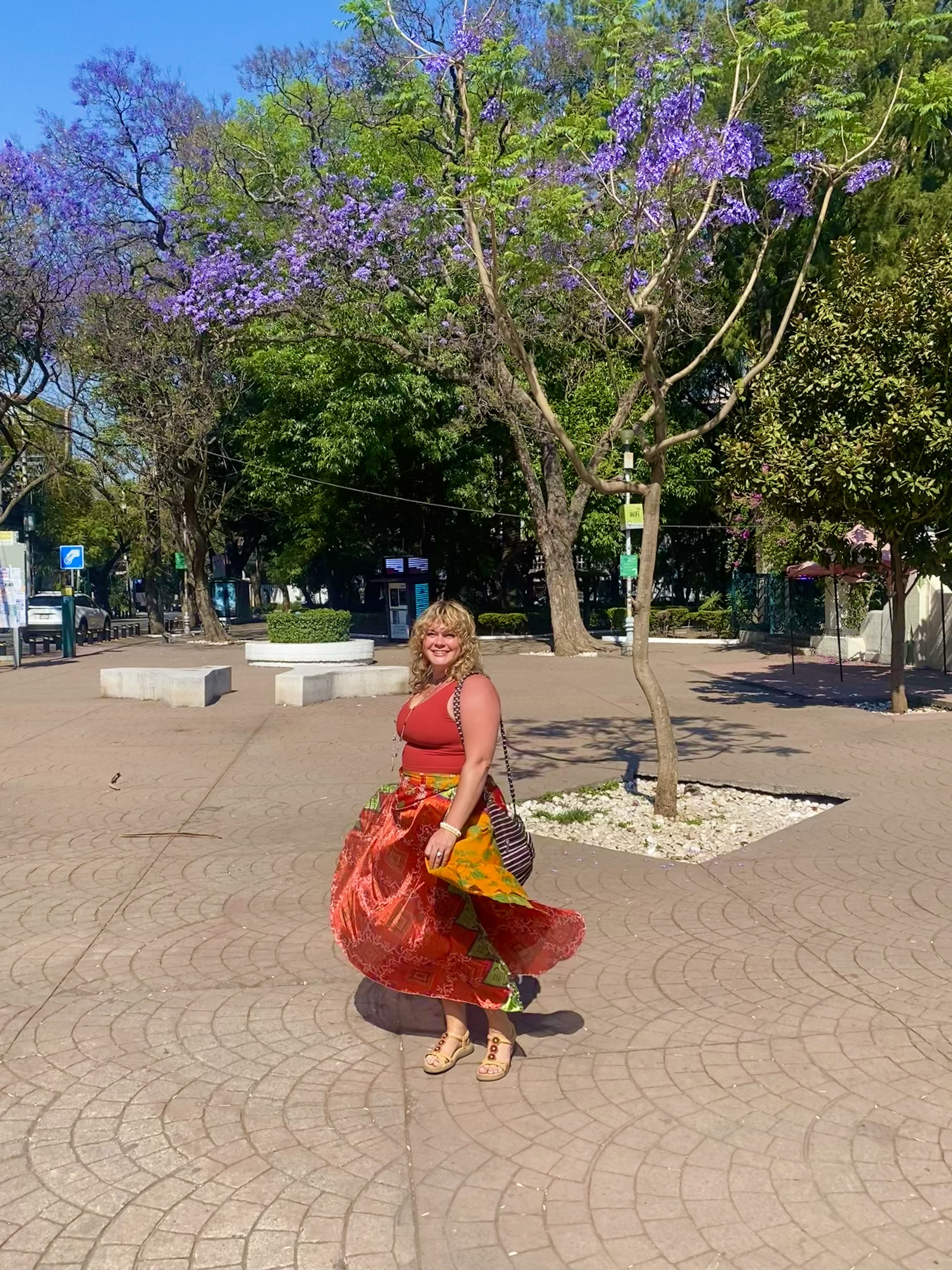
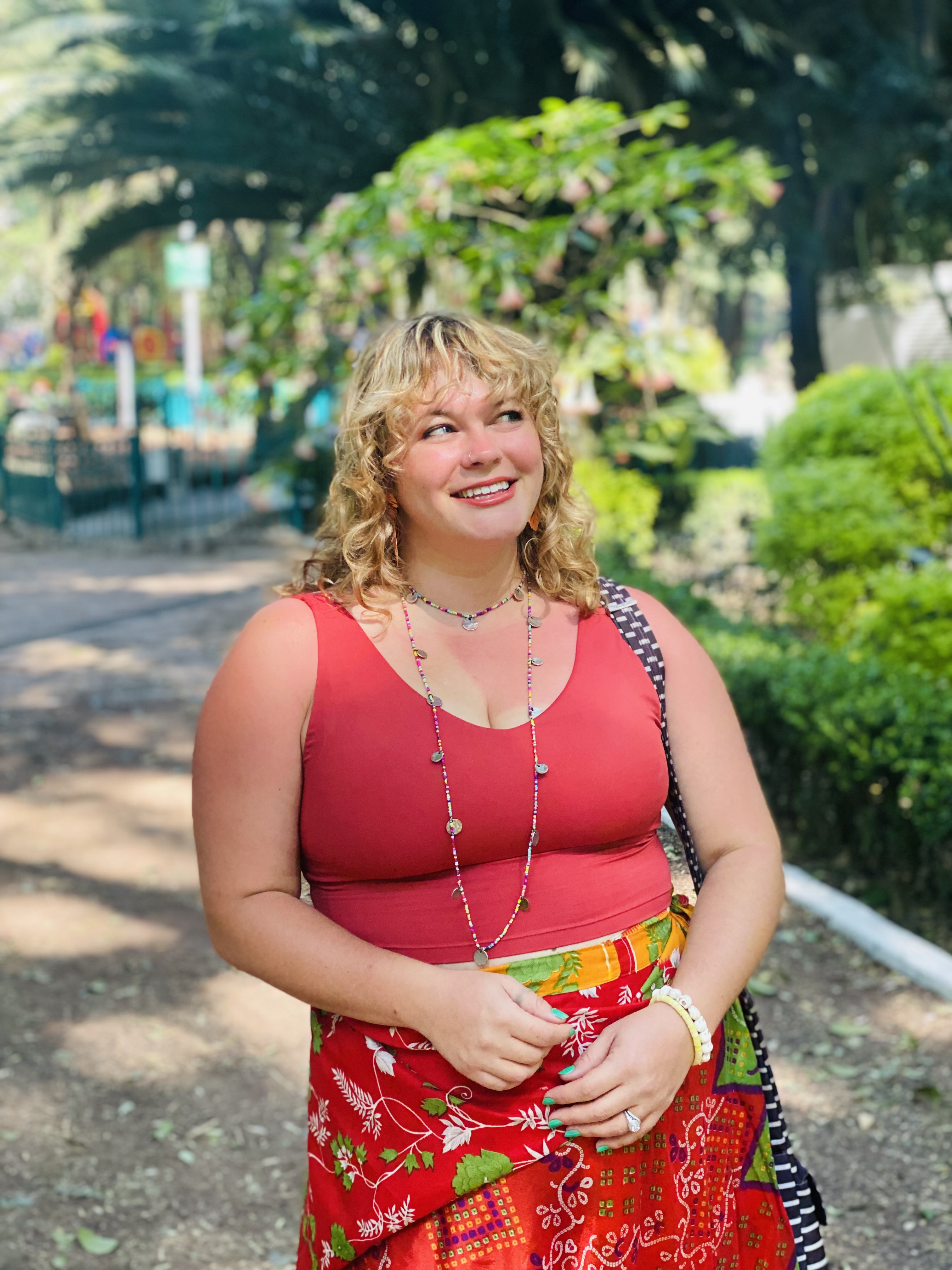

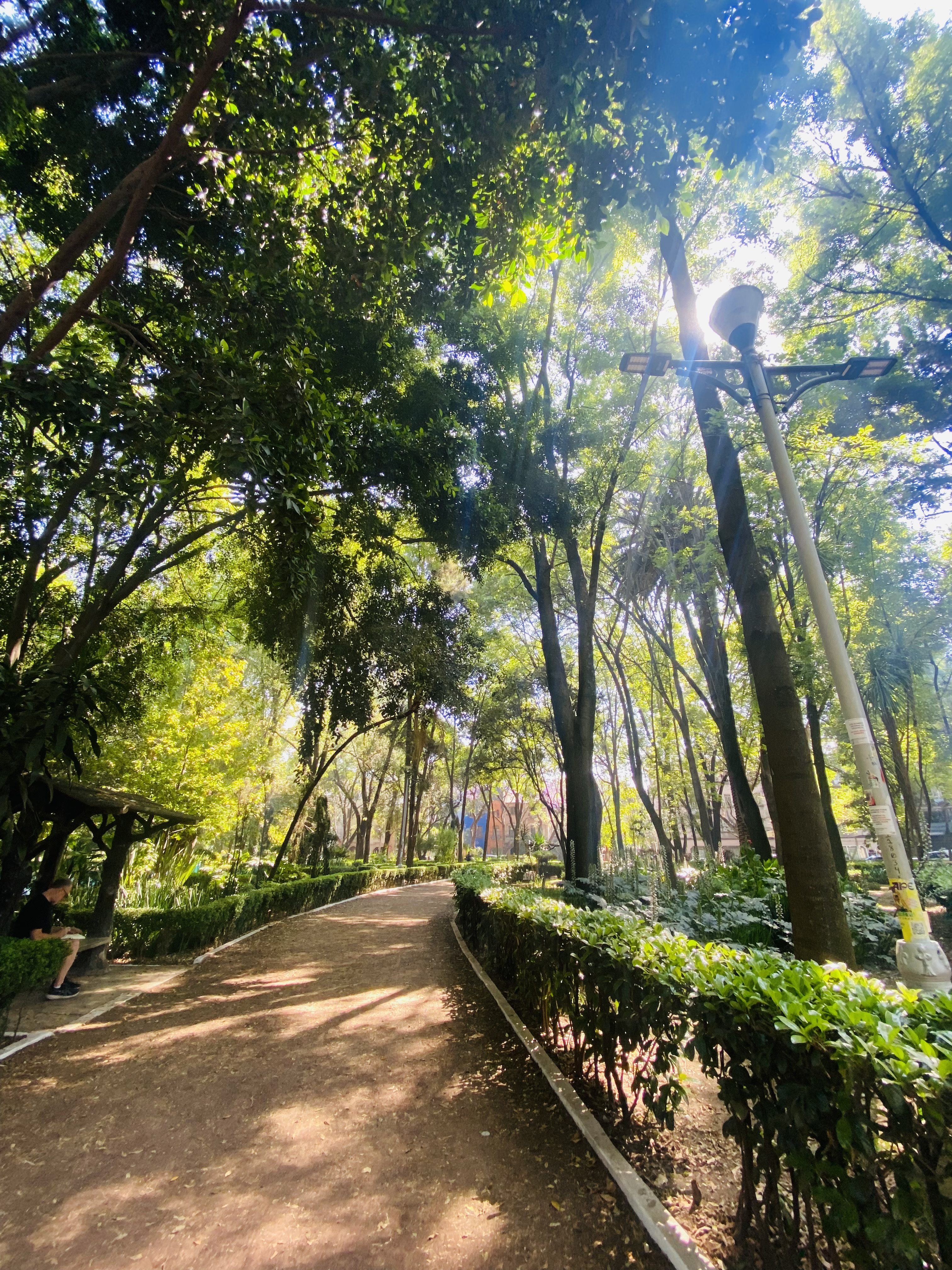

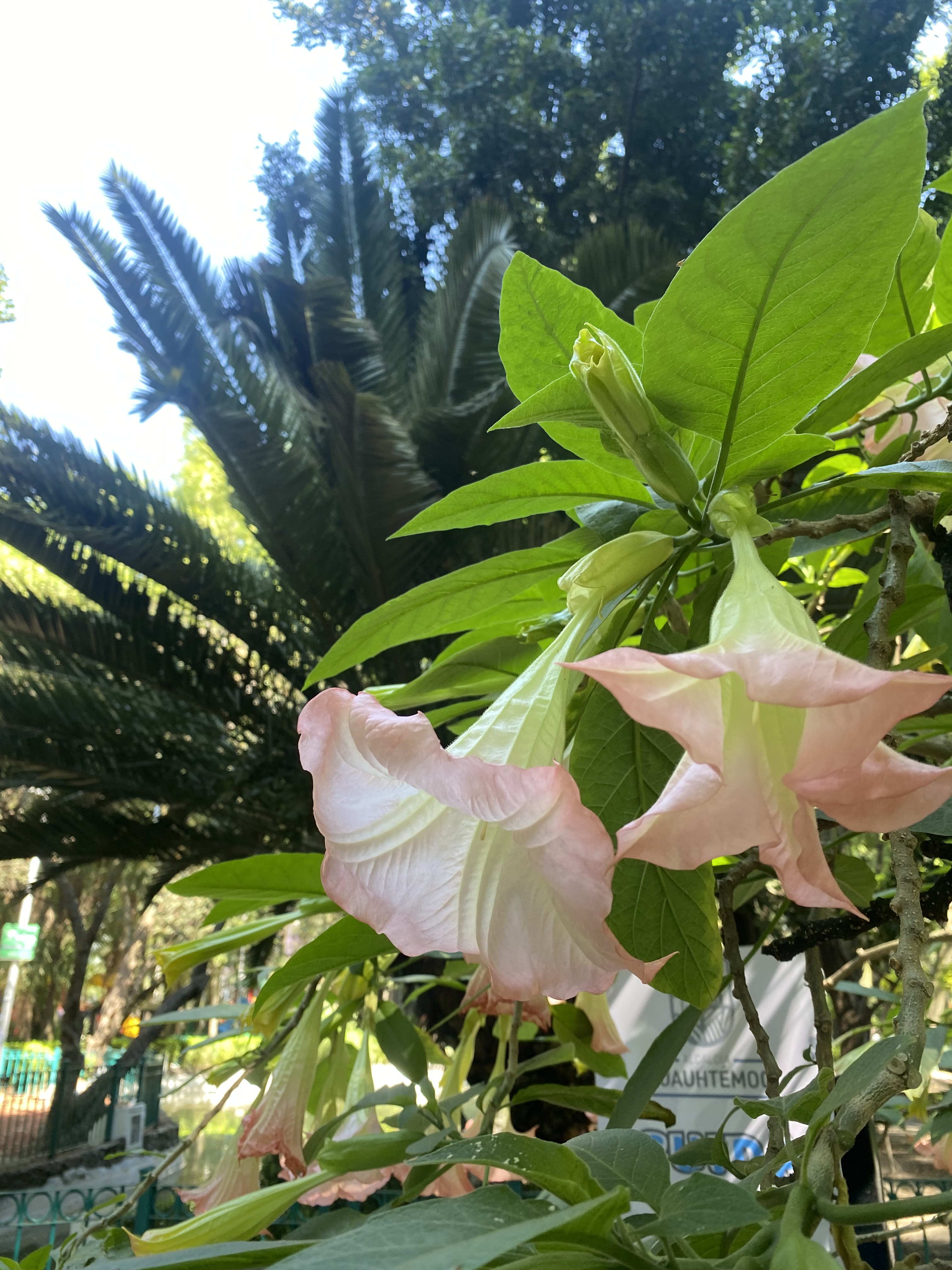
Roma Norte and its adjoining neighborhood La Condesa are very quiet compared to the hustle and bustle of the rest of the city. It’s by far the most strollable neighborhood, and it’s replete with cute little restaurants and cafes. Roma is positively dripping with beautiful jungle flora. The park that connects the two neighborhoods, Parque México or Parque San Martin, is like walking through a rainforest paradise.
The first time Alex and I visited Mexico City, we stayed in Centro because usually, the historic center/the town square is the most happenin’ part of any city. Not really true here: if you’ve ever been to Washington, DC, Chapultepec is like Washington Mall, Roma is like Georgetown, and Centro is like… Roslyn. Most of the tourist-trappy stores close up at night, and there’s not much going on. But at night, Roma comes alive. The weather is perfect, everyone’s walking through the park or down the tree-lined boulevards, enjoying coffees and churros, maybe a little salsa dancing. Stay in Roma.
Experiences
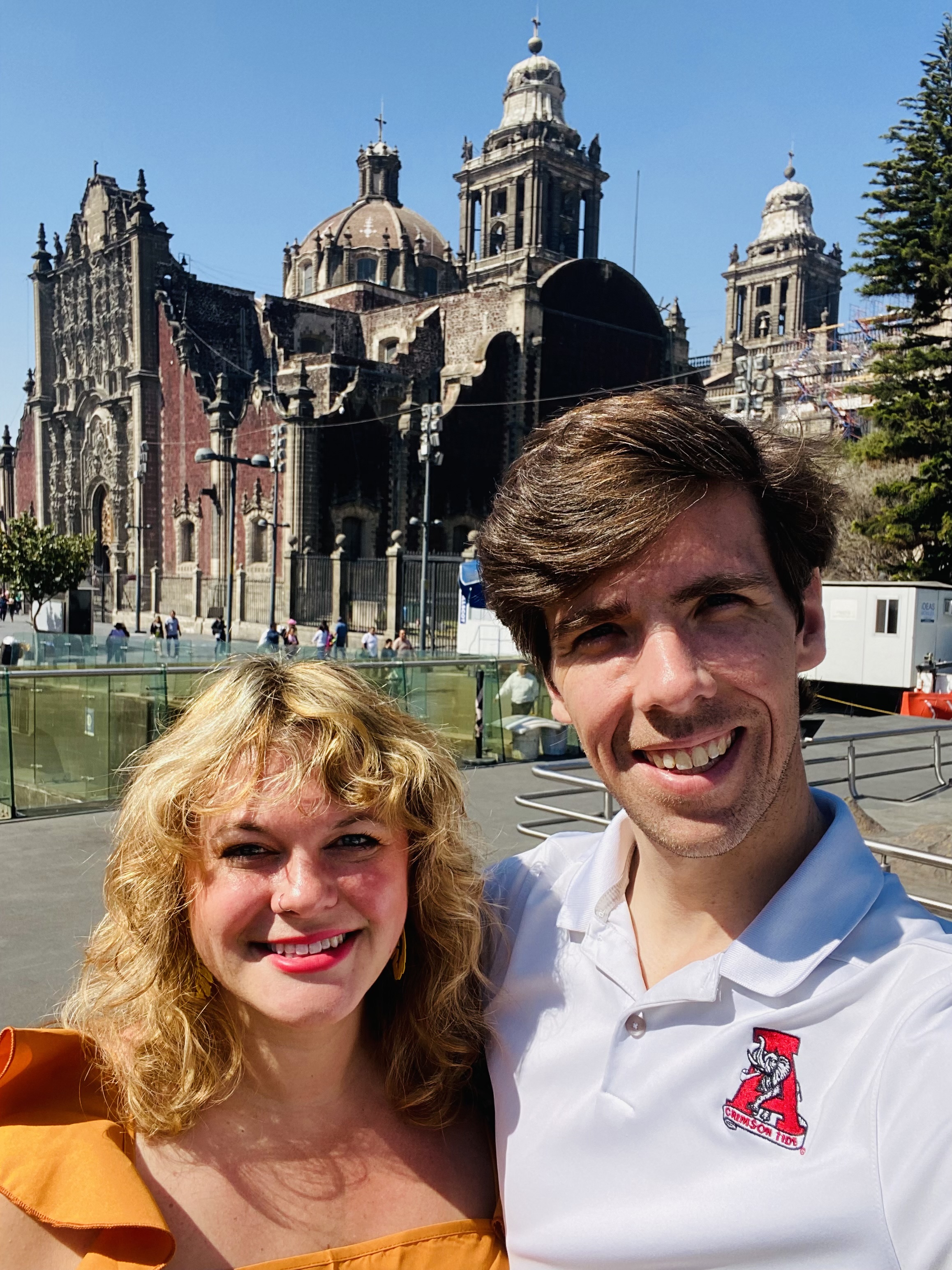
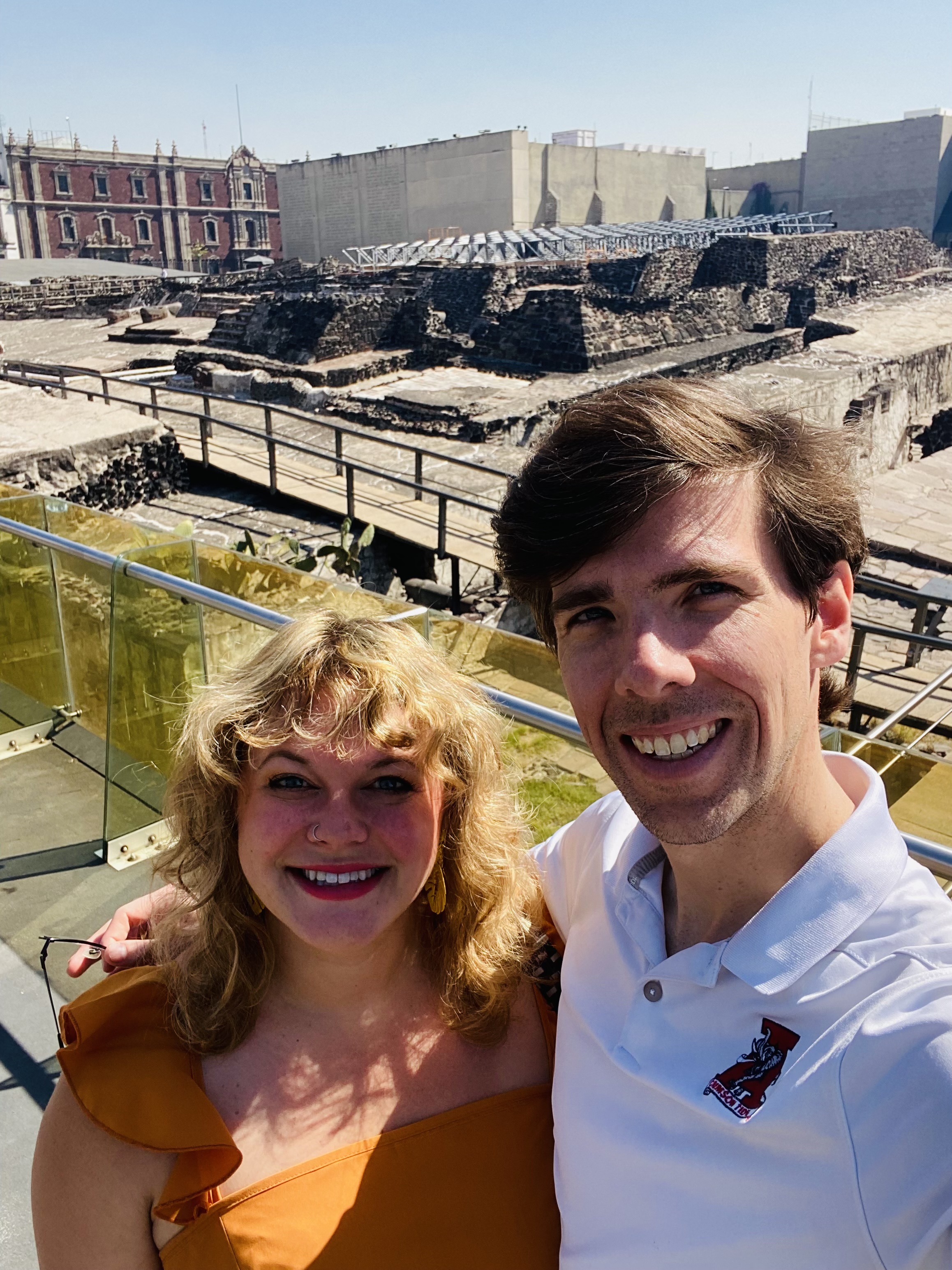
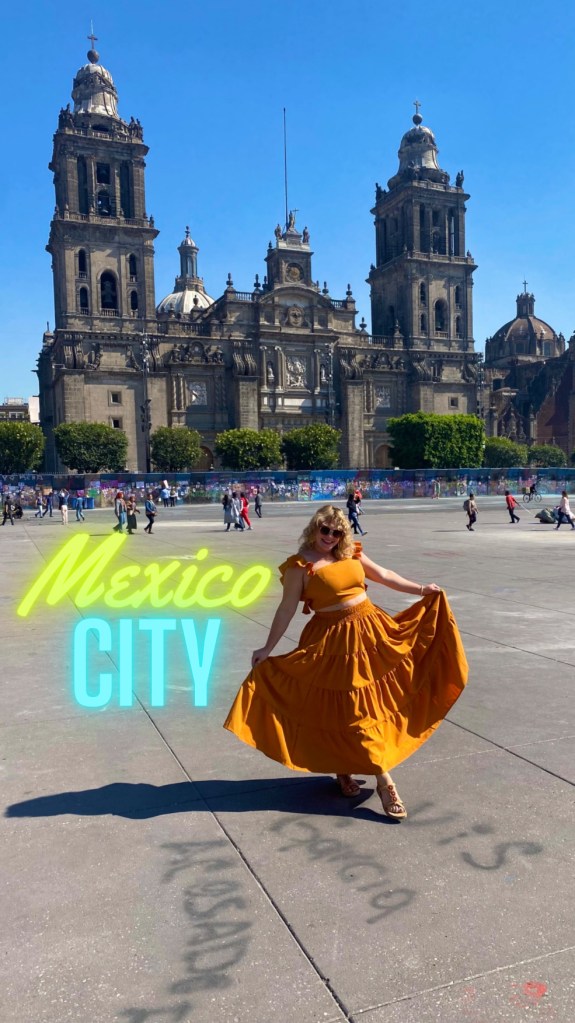
Zócalo. The city center, in my opinion, is worth a quick visit for one reason: it used to be the site of the main pyramid of the capital city of Tenochtitlan, El Templo Mayor. A cathedral is built in the front of the main plaza, and the pyramid ruins can be viewed from behind, kind of like the end of From Dusk ‘Til Dawn. Zócalo also features the highly-instagrammable lobby of Gran Hotel Ciudad de México, which has a jaw-dropping Tiffany stained glass ceiling and beautiful Art Nouveau curling balconies and staircases. You could have a leisurely breakfast at El Cardenal, see the cathedral and El Templo Mayor, and snap a pic of the lobby of the Gran Hotel all before 11:00.
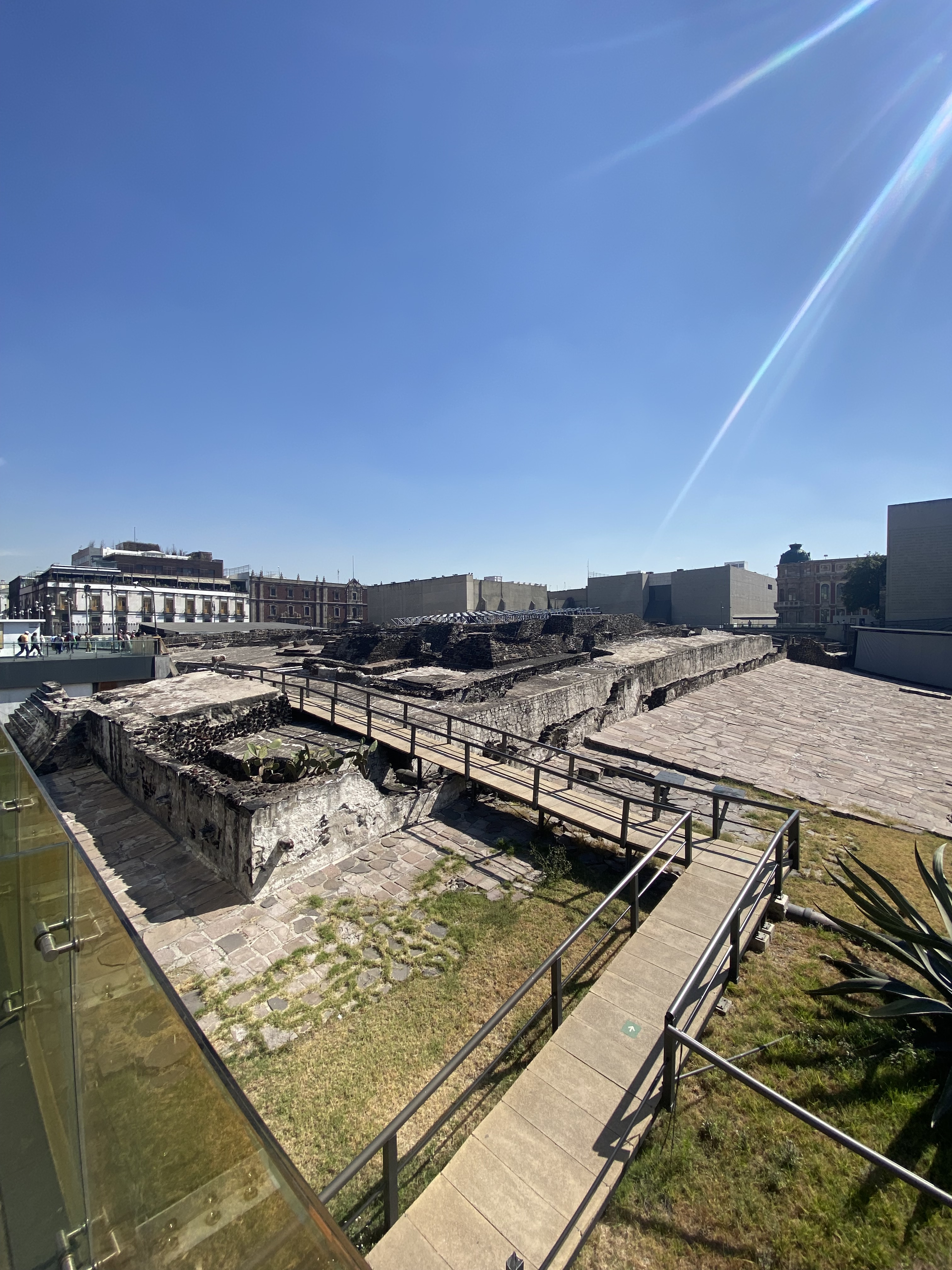

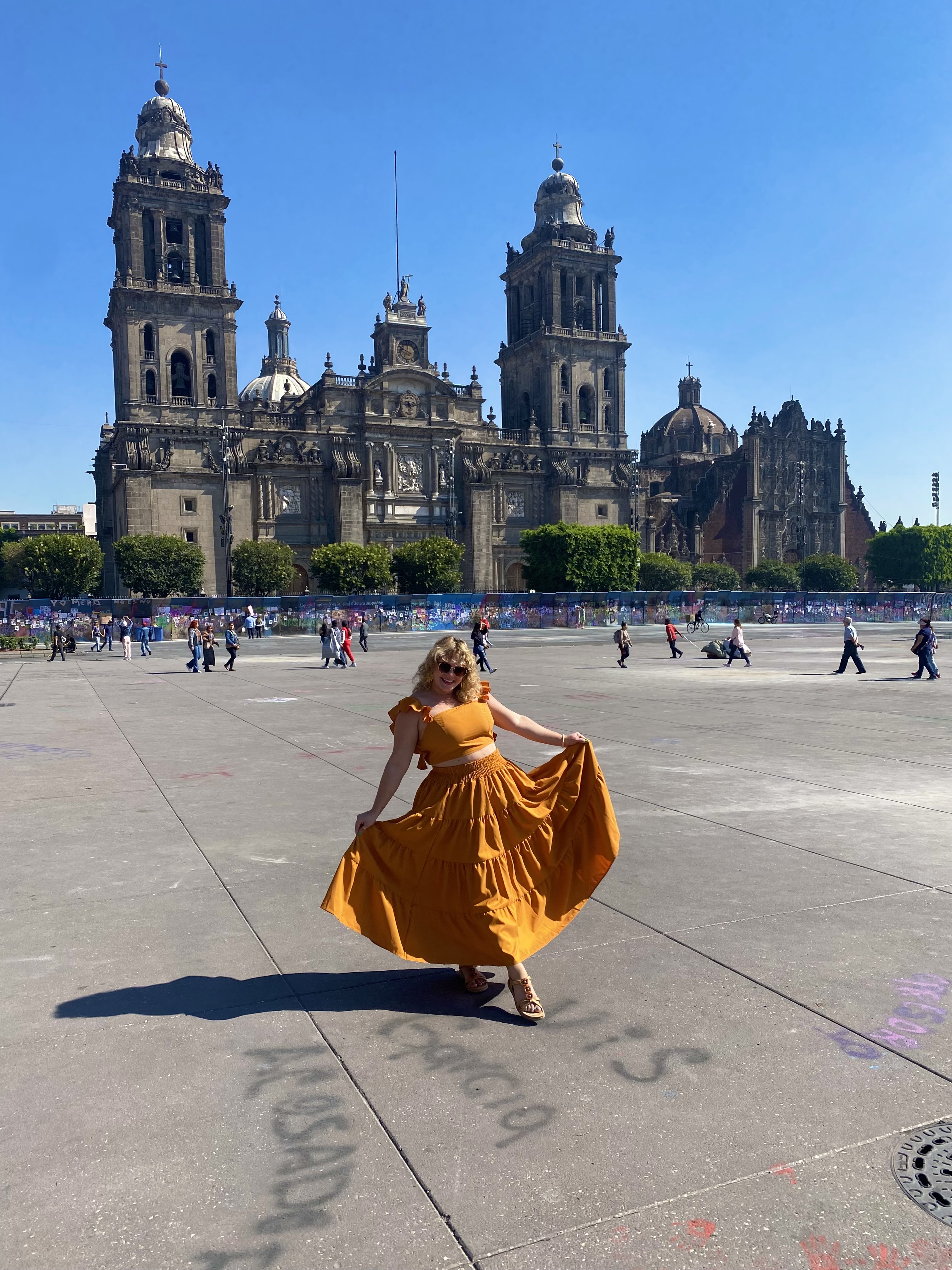
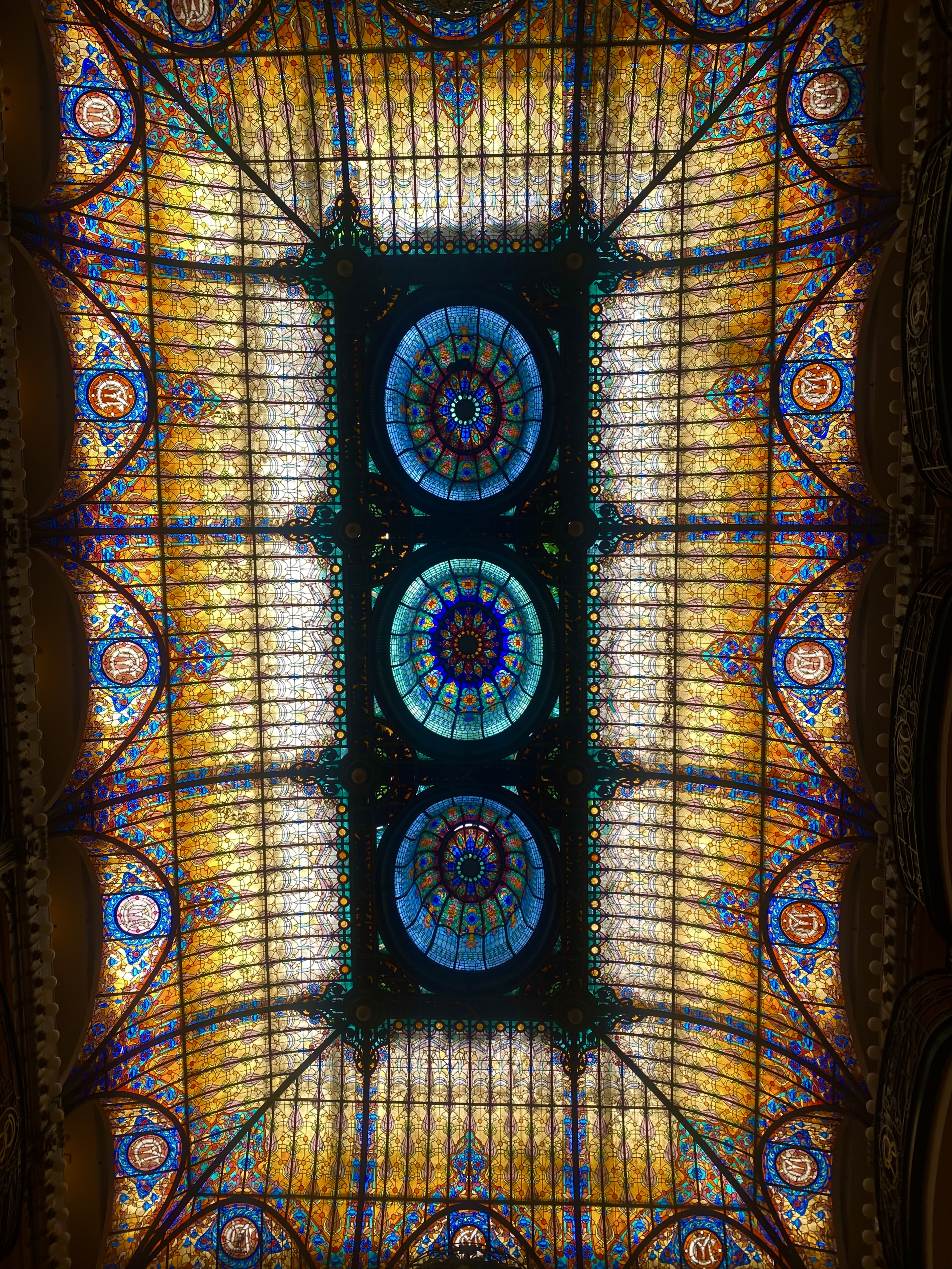
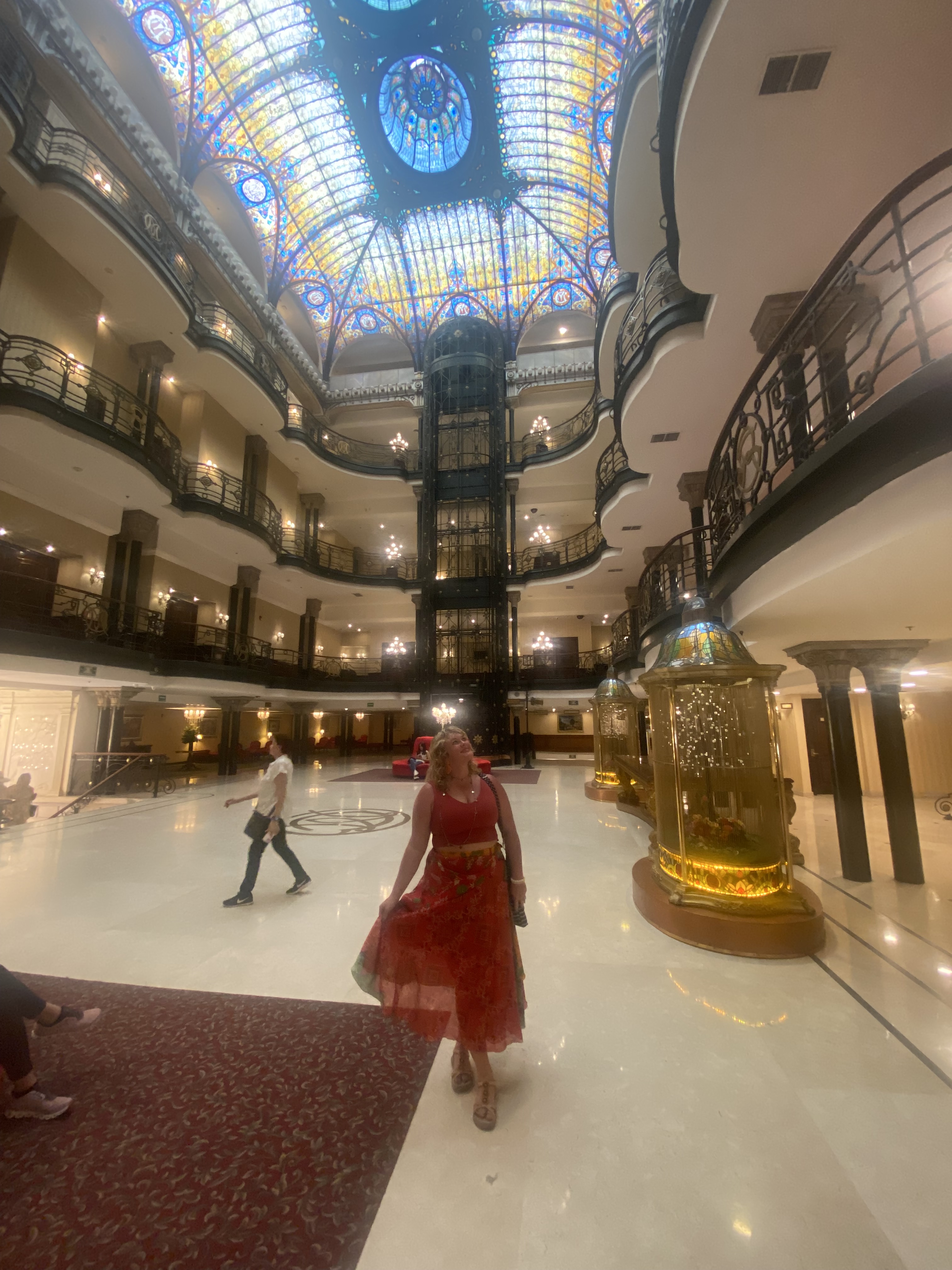
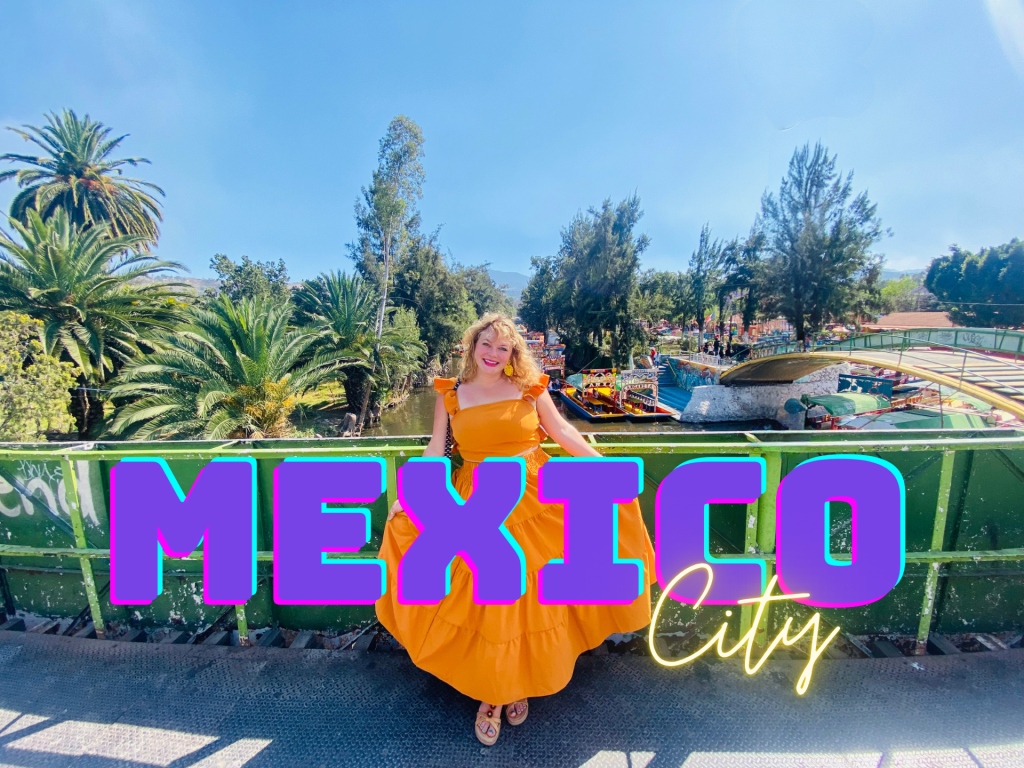
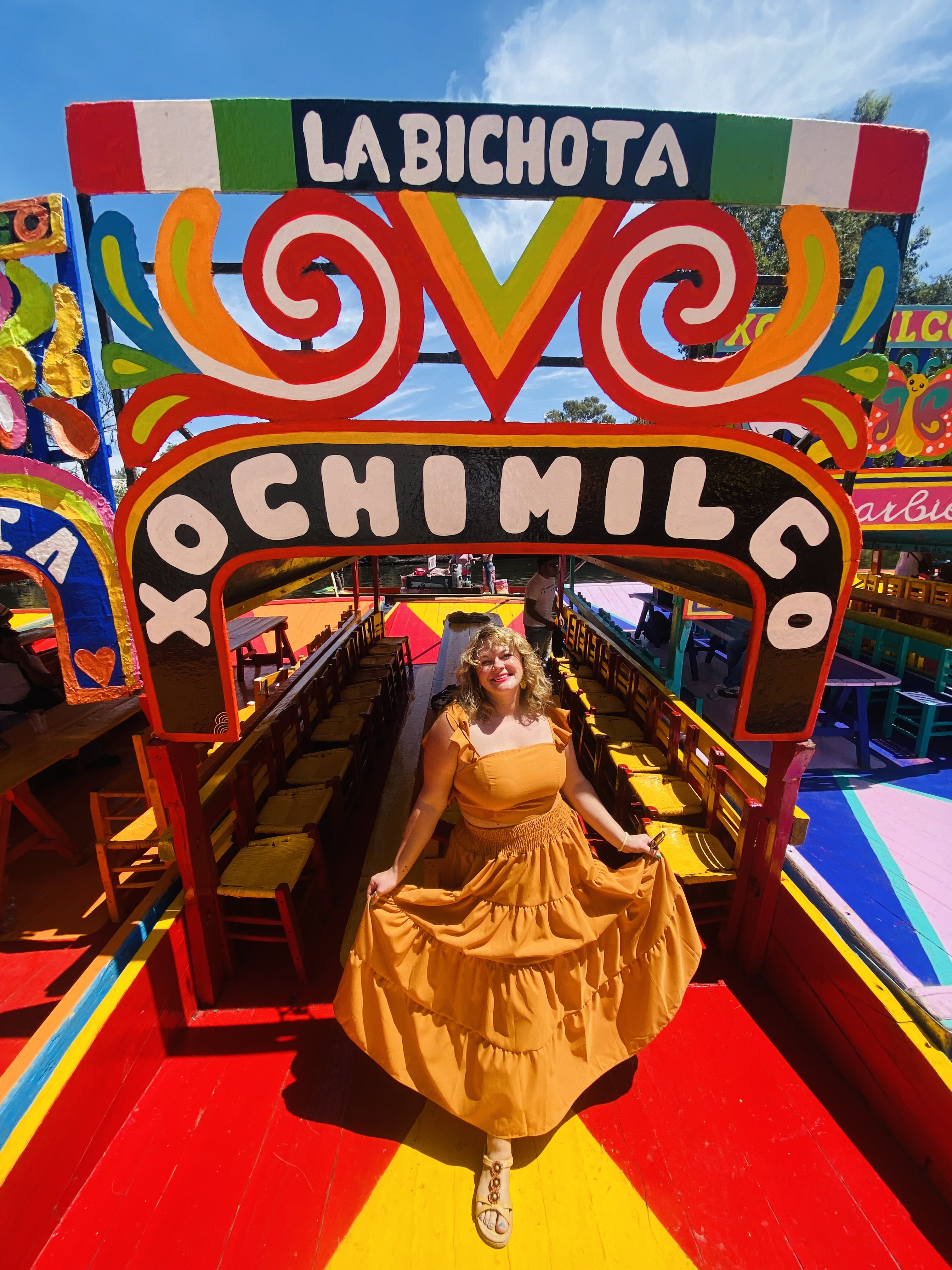
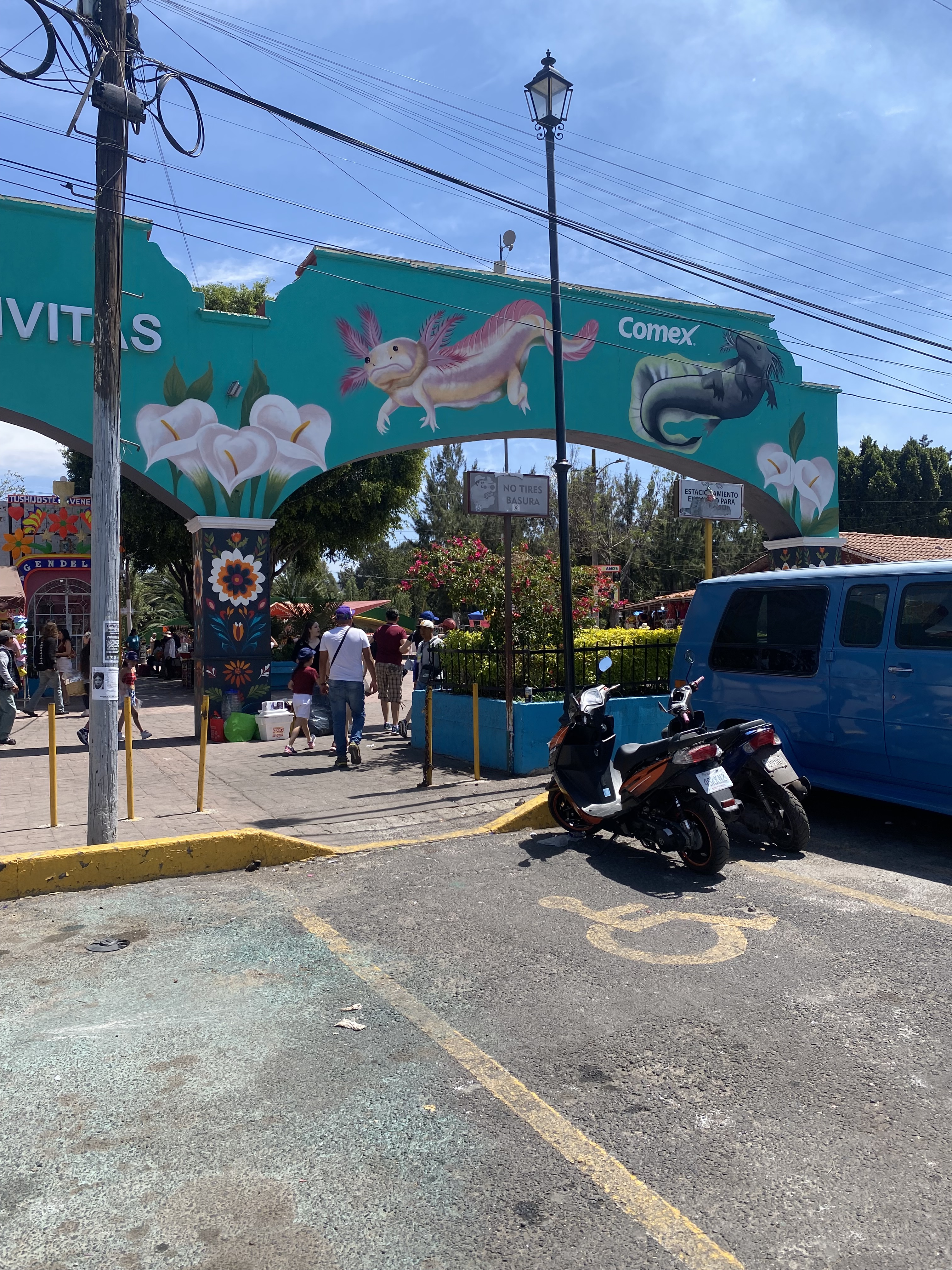
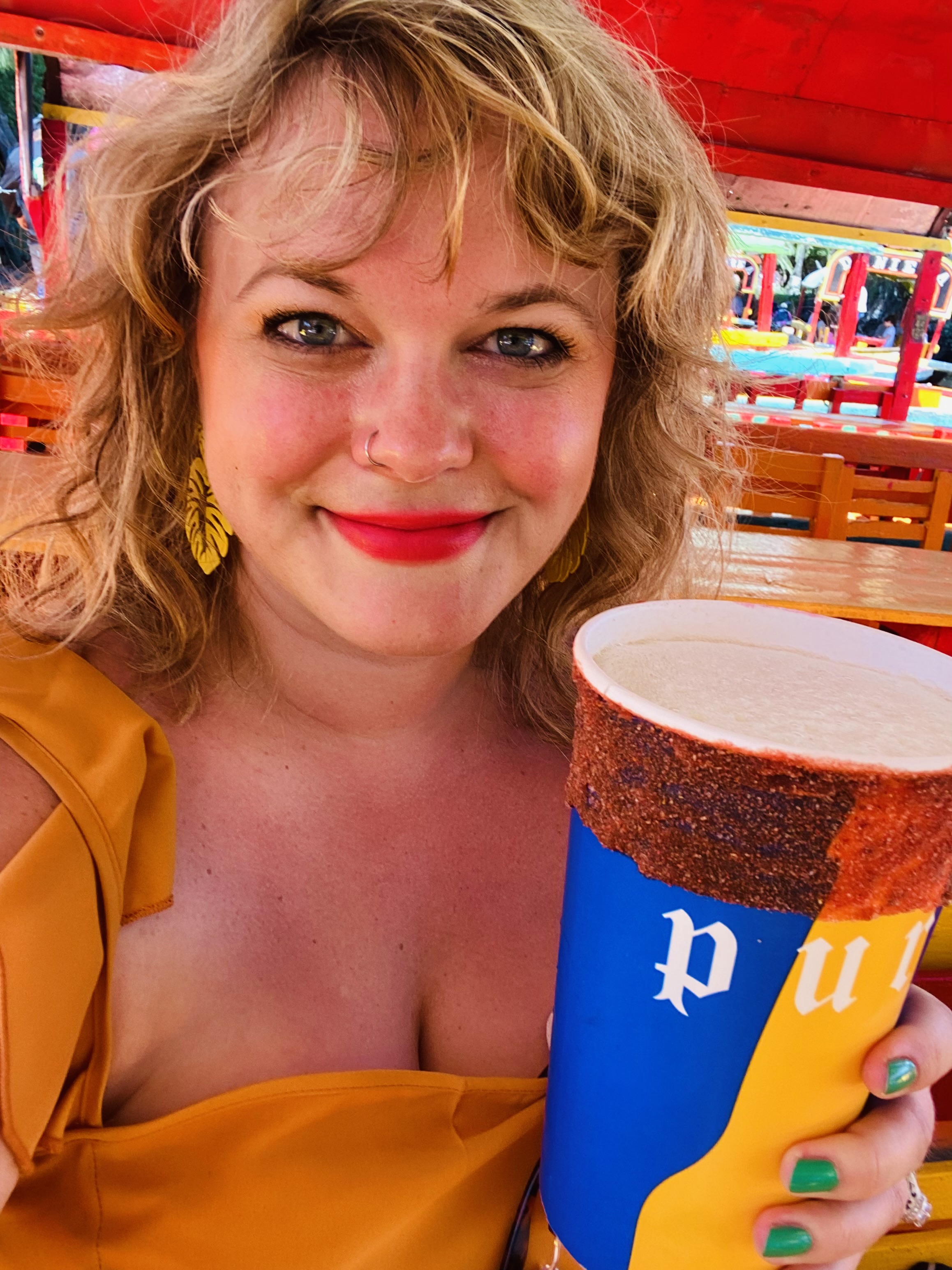
Xochimilco. After you’ve seen all there is to see at Zócalo, hop in an Uber to Xochimilco, which will be 45 mins to an hour away. I know that seems like a long time, but it’s worth it. Xochimilco used to be one of the villages surrounding Lake Texcoco. To this day, Xochimilco has a few man-made canals which transport tourists on party boats. Xochimilco tops my list of favorite things to do in Mexico City. Renting a boat for an hour is 600 pesos, which is about 35 dollars. That’s for the whole boat, so people will often share the ride or go in large parties to split the cost. Or you can just have the whole boat to yourself! Most people go for about two hours. Along the way, small boats will come up to you and politely ask you if you want to purchase what they’re selling: elote (street corn–yes absolutely buy this), michelada (beer cocktail with a chili-lime rim in a gigantic liter cup), pulque (like a margarita, except better), tacos, etc. Mariachi boats will pull up and ask if you’d like a song. The songs are the most expensive to purchase at 150 pesos, around 9 dollars. The side-item boats are cash only. I think if you brought 800 pesos (around fifty bucks) with you, you’ll have enough for a really good time. Seriously, ball out at Xochimilco and don’t worry about beating the crowds—it’s one of the few places in the world where it’s better when there’s a lot of people, because it’s nothing but good vibes on the water.




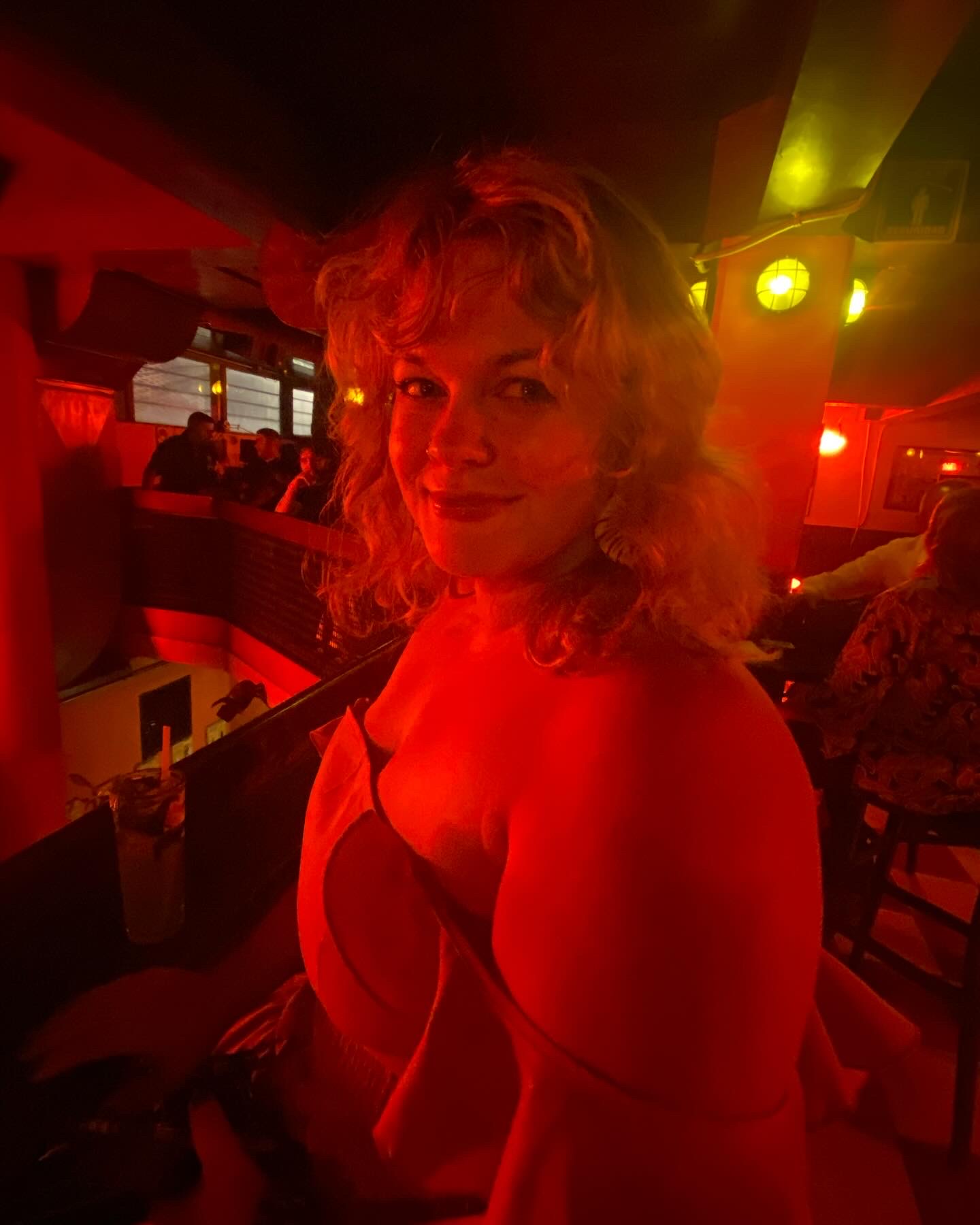
Mama Rumba. This is a salsa club in Roma. Even if you’re not much of a dancer, please don’t miss Mama Rumba! The club opens at 8:30, and live Cuban music starts at 11:00. On Wednesdays, there’s a salsa lesson for beginners, but you honestly don’t need it. Mama Rumba is just the right amount of crowded: while many locals really know what they’re doing, there are plenty of people who are just moving to the music. Like Xochimilco, this is a joyful, high-energy experience, and for me it will always be a lasting memory of a night of magic.

Lucha Libre. Mexico City declared Mexican wrestling, or Lucha Libre, intangible cultural heritage, and for good reason. Originally, local wrestlers wore masks to protect their identity from their bosses, co-workers, and families. Now, the masks are more of a superhero alter-ego. Lucha Libre is crazier and campier than American pro-wrestling. Even if you’re not into wrestling, like Mama Rumba, you don’t need to be knowledgeable to have a good time. But I guarantee it will make you a fan! There are two types of wrestlers: Técnicos are the technicians, the blue collar boys, the good guys. They follow the rules and have superior and complex moves. Rudos are the rude dudes, the rule breakers, the bad guys. The Técnico will extend his hand in friendship to the Rudo, the crowd will shout “No! No! No!”, the Rudo will fake him out and smack his hand away, and then will sweep the leg and drop him on his head. If it’s your first time, I would recommend getting a local (a Chilango) to take you via GetYourGuide or an Air BnB Experience. I highly recommend this one! Tickets from from around 8 dollars in the back to 30 dollars close to the ring. For your first time, I think it’s better to get the cheap seats in the back because the moves look more dramatic, and you can enjoy the energy of the crowd. Then, on your second trip to Mexico City, one you’re a confirmed lucha libre fan, opt for seats close to the ring so you can see the precision of these acrobatic moves up-close.
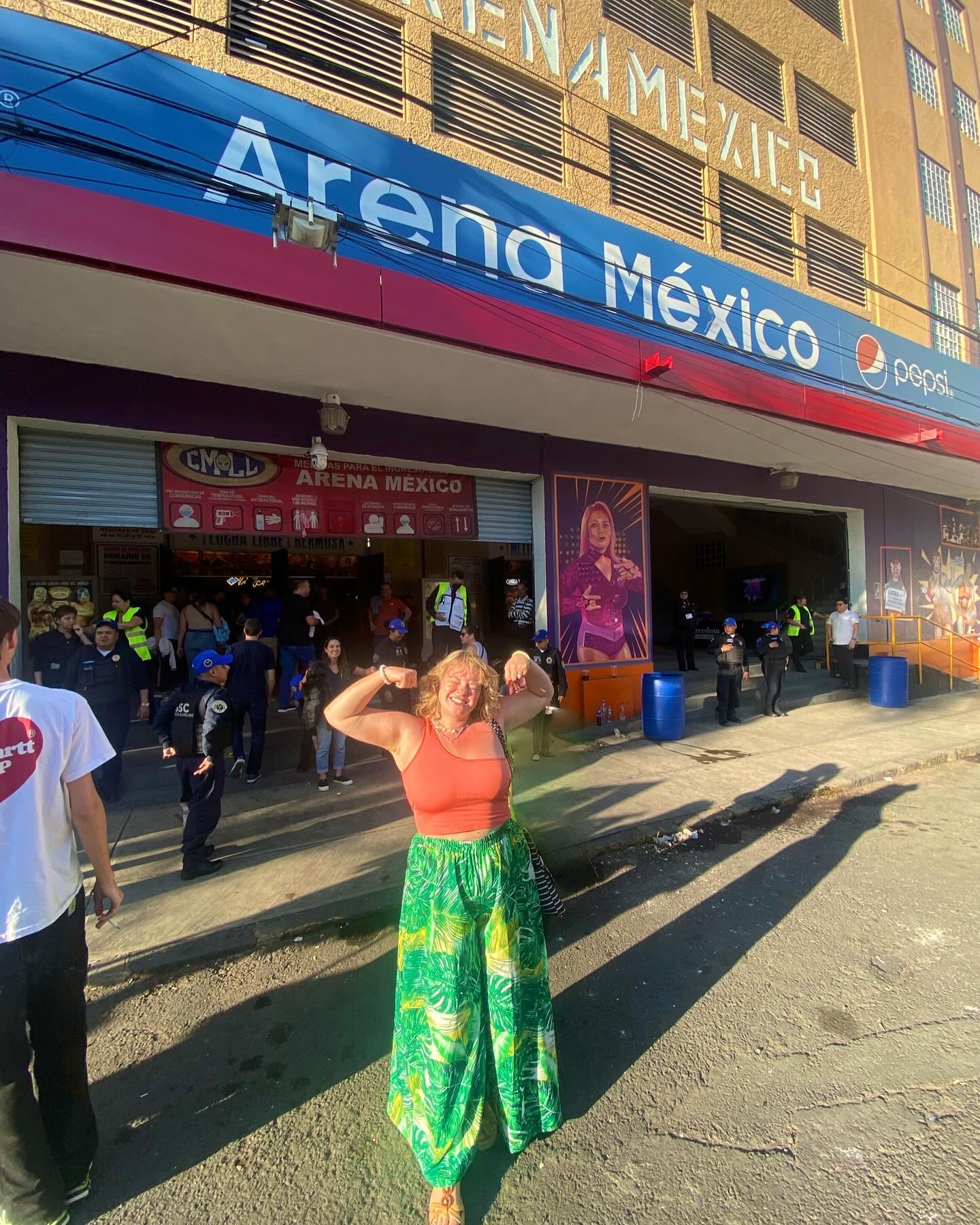
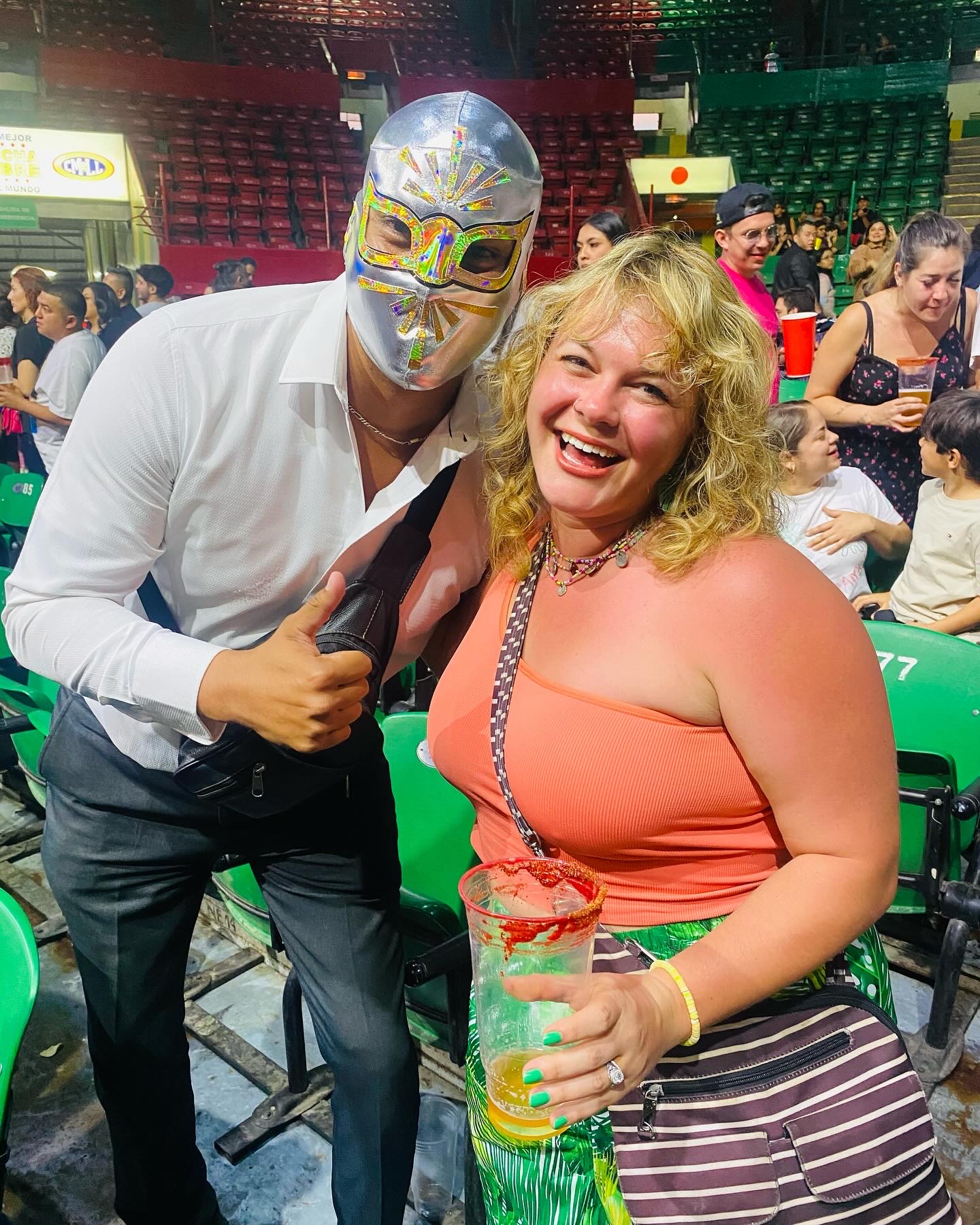

Mercado de Artesanias La Ciudadela. Before you go to Lucha Libre, carve out an hour to explore the market of La Ciudadela. This covered market is where you’ll find the most beautiful Mexican crafts, and you should get your souvenir shopping done here. Mexican artists come from all over the country to sell their artistry at these stalls. They sell everything from huaraches, to pottery, to Mexican-tile mirrors, jewelry, blankets, calaveras, sugar skulls, you name it.
Museums
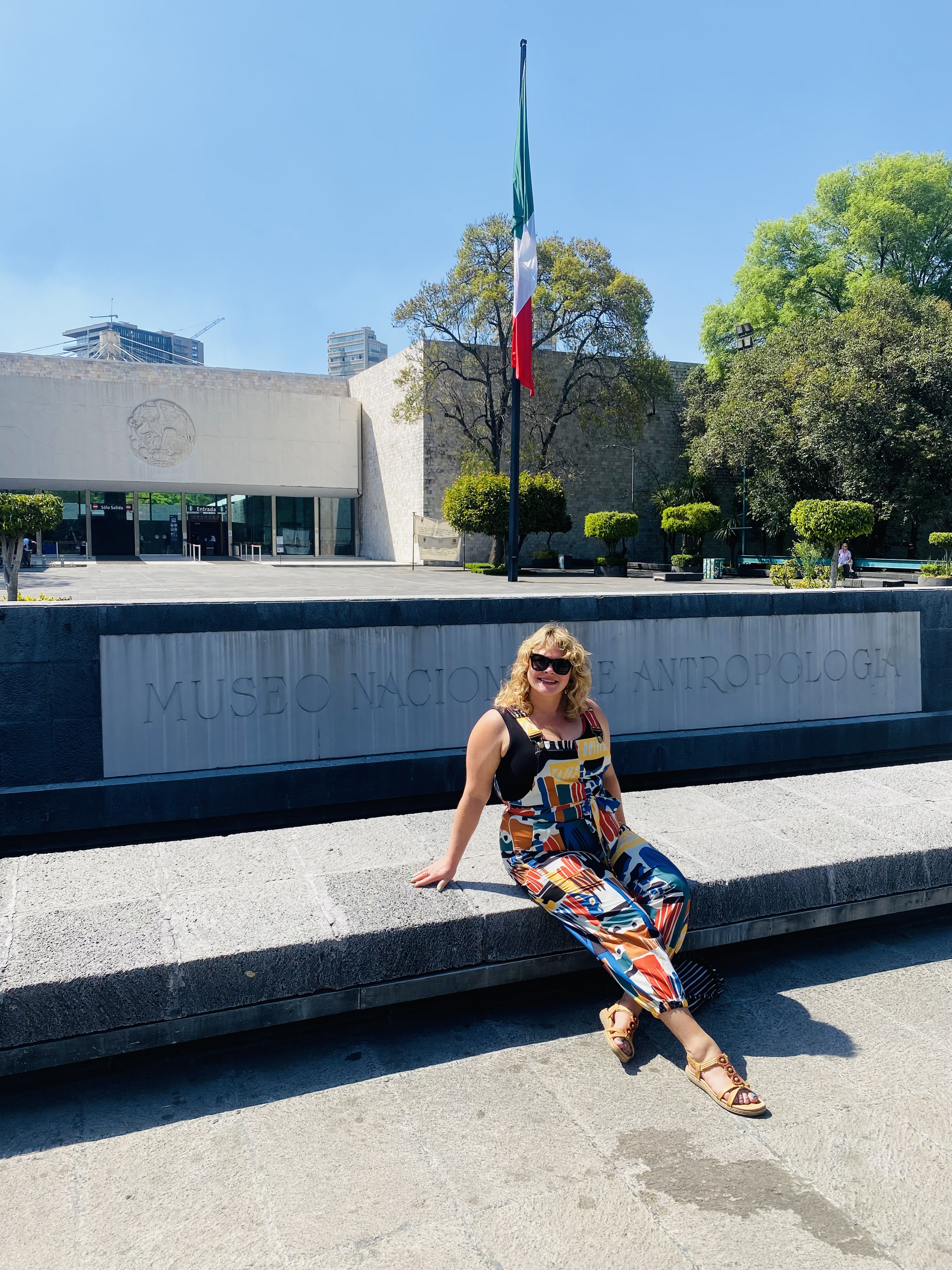
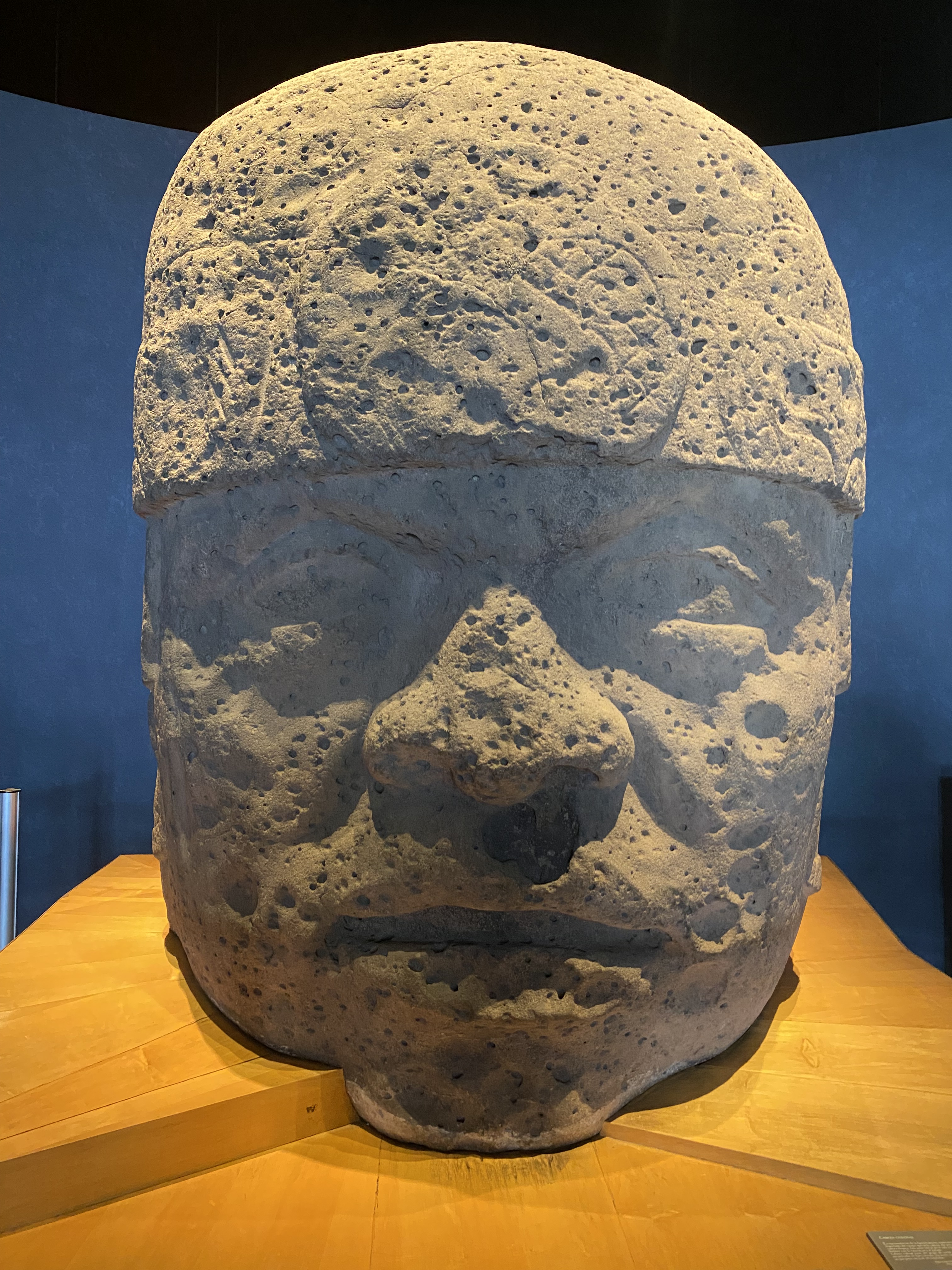
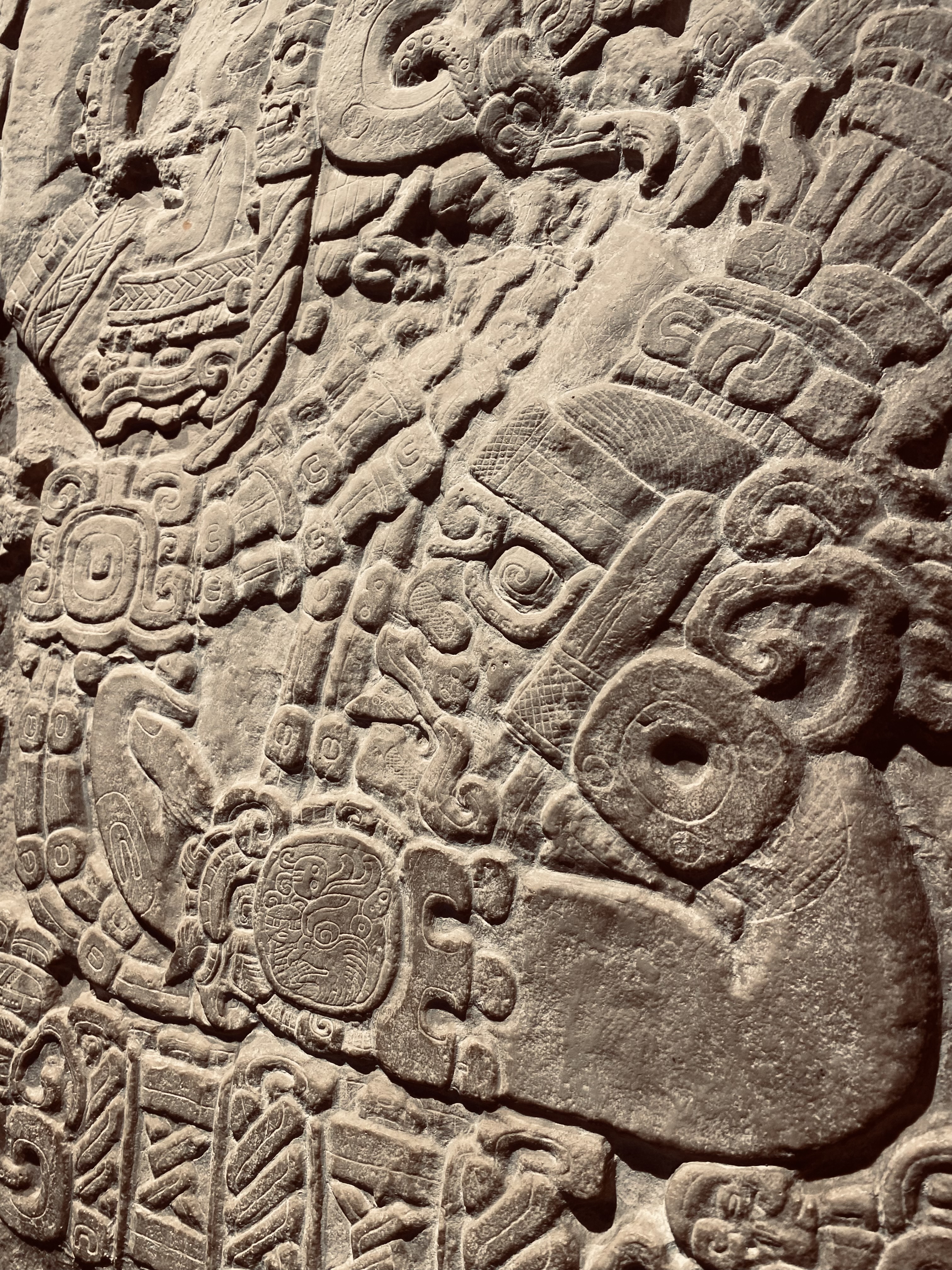
Museo Nacional de Antropología. Despite being a history nerd, museums are not my main priority when traveling. Unless the museum is really, really good, I’d rather go out into the city and explore the country’s history myself. But some cities are Museum Cities—Paris, New York, and Washington D.C. come to mind—where part of the experience of visiting that city means you have to visit its iconic museums. Mexico City is a Museum City, and the Anthropology Museum is the diamond in the diadem. Local Chilangos will ask you if you’ve seen the museum yet. This museum is as good as the Museum of Natural History, but it specifically focuses on the indigenous peoples of Central America: the Mayans, the Olmecs, the Aztecs, and others. You won’t see any exhibits on the conquistadors and the Independence Era in here: remember, Mexico City’s focus is to reclaim its ancient heritage.


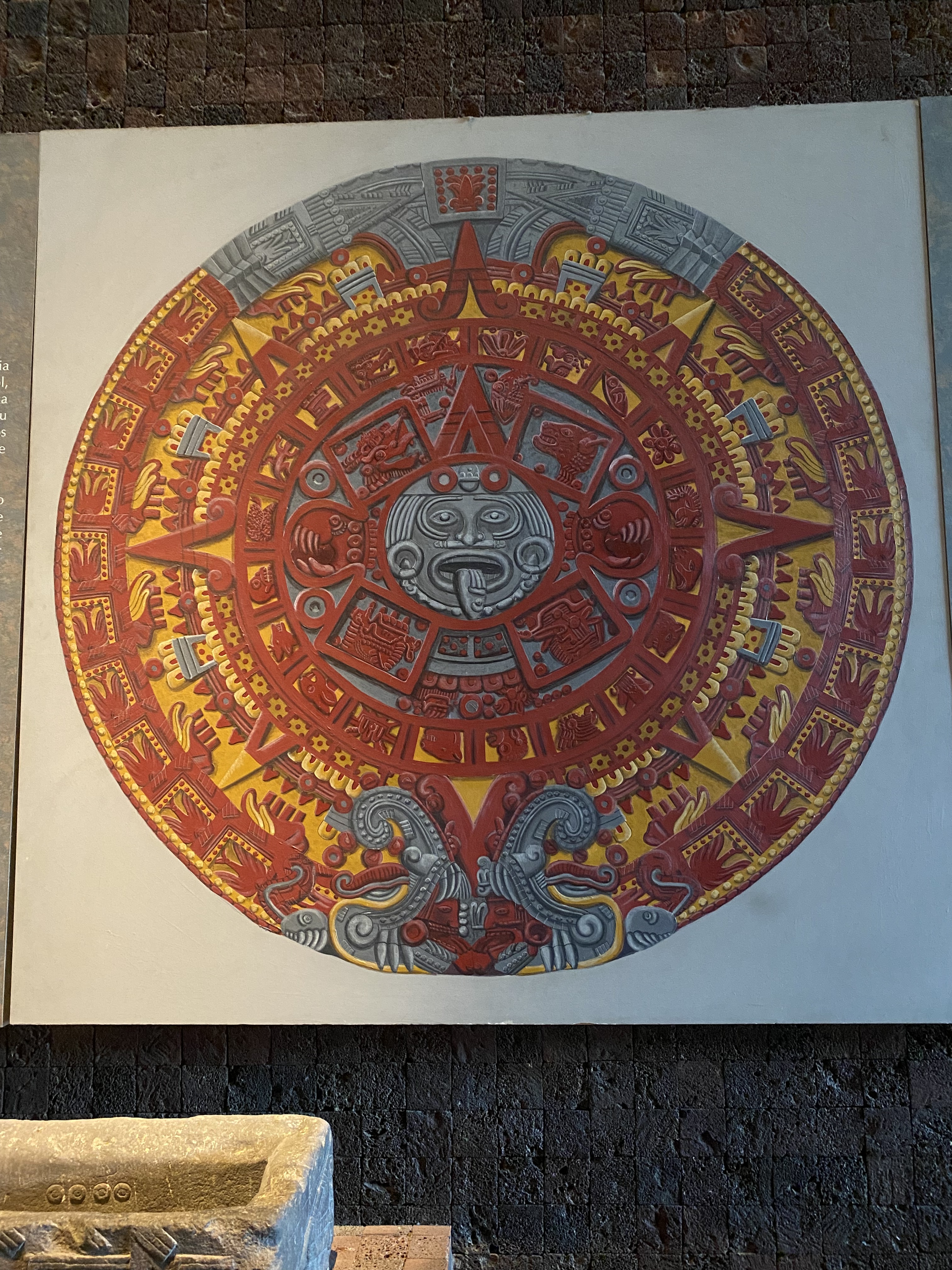

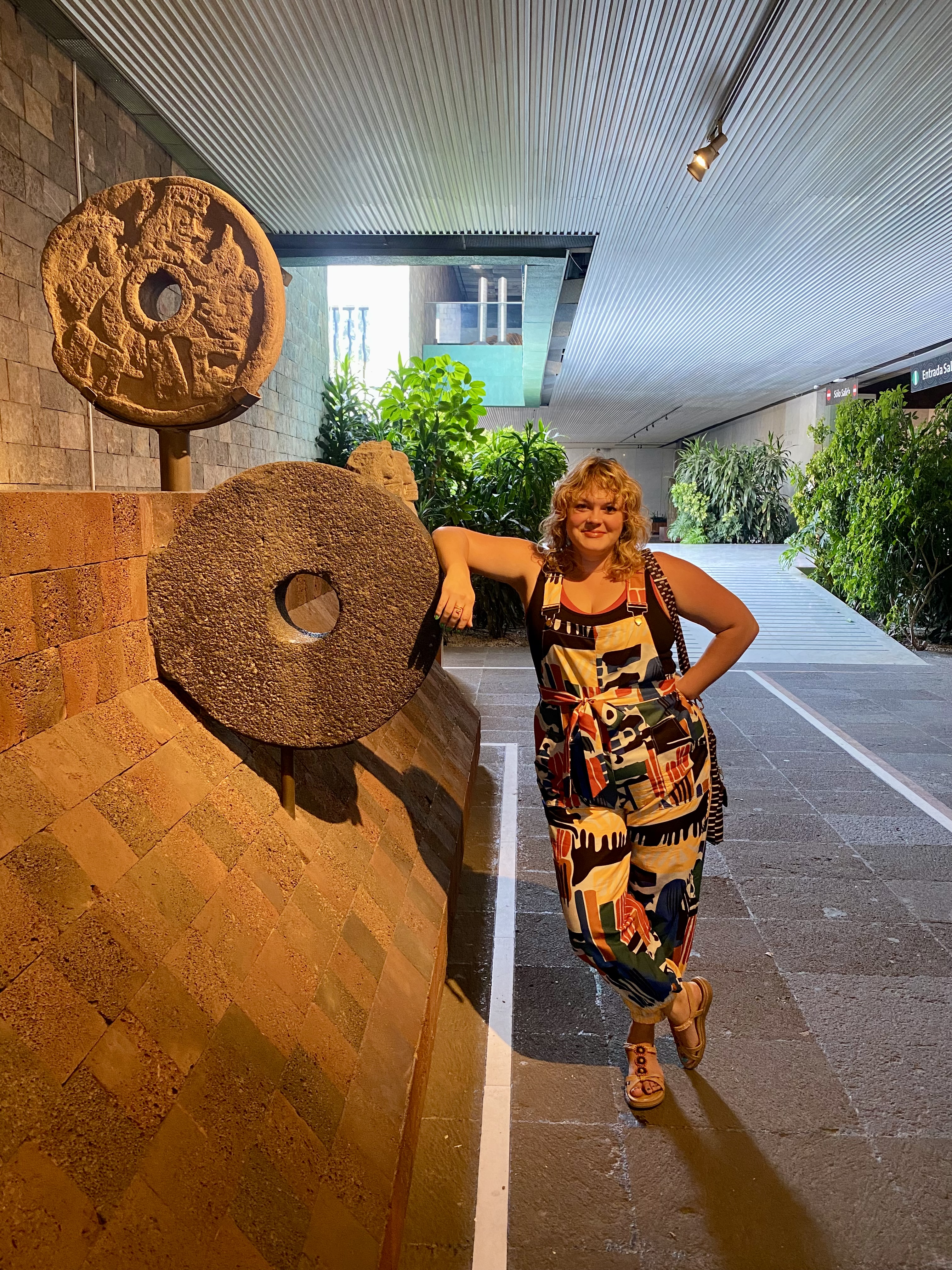

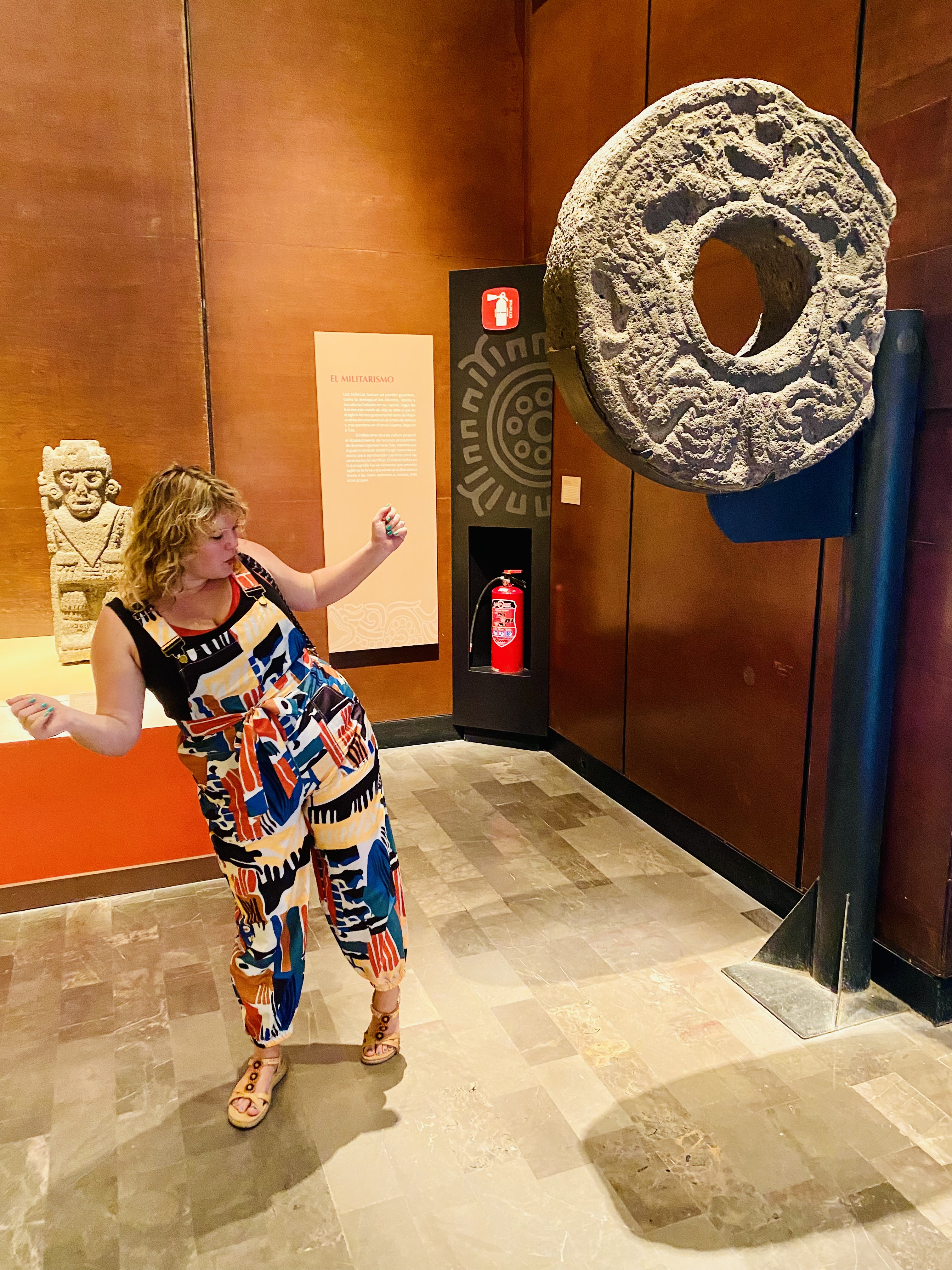


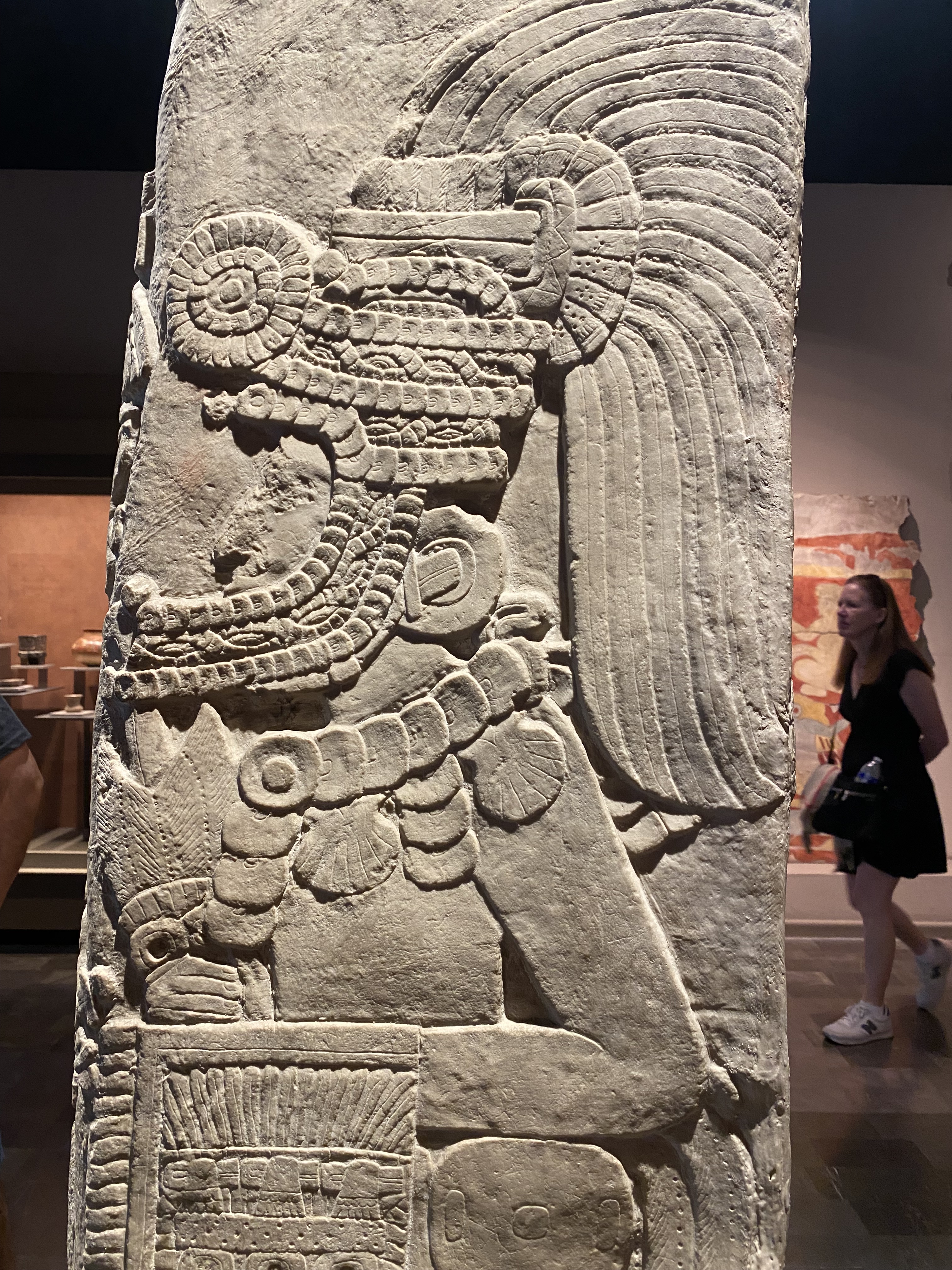


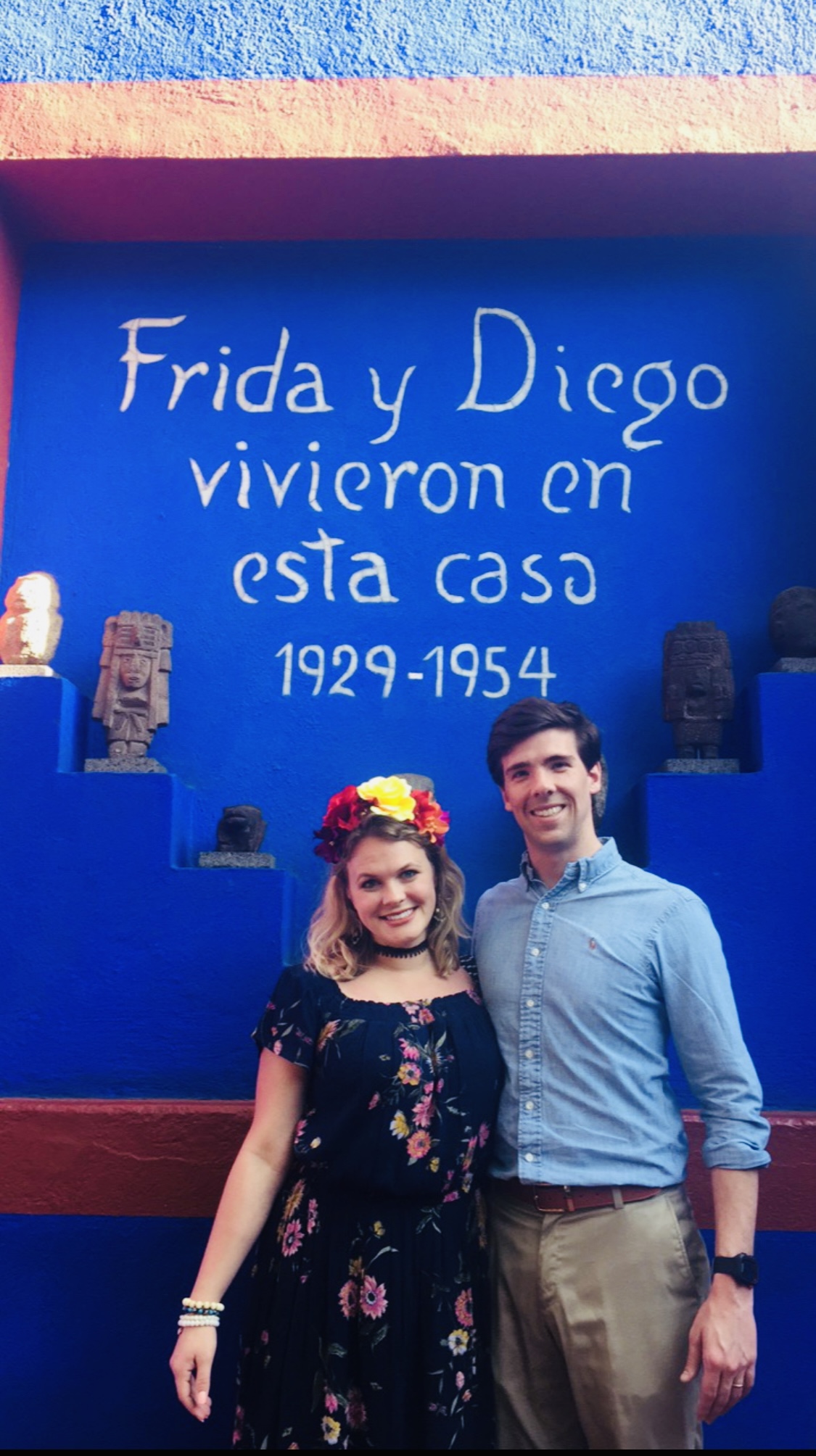
Frida Kahlo Museum. I love Frida Kahlo. Just like Salvador Dalí, I love the surrealists because their works are always interesting and beautiful in their own weird little way. If you’re not big into art history, Frida Kahlo is probably the most famous Mexican painter of all time, maybe tied with her husband, muralist Diego Rivera. These two were a tempestuous powerhouse couple in the art world during the 20s to the 50s. Frida’s childhood home, artist’s residence, and studio was known as La Casa Azul, a deep blue house built around a lush colonial garden courtyard. Today, La Casa Azul is the Frida Kahlo Museum. Make sure to buy tickets well in advance: this museum sells out quickly, and no on-site tickets are offered.

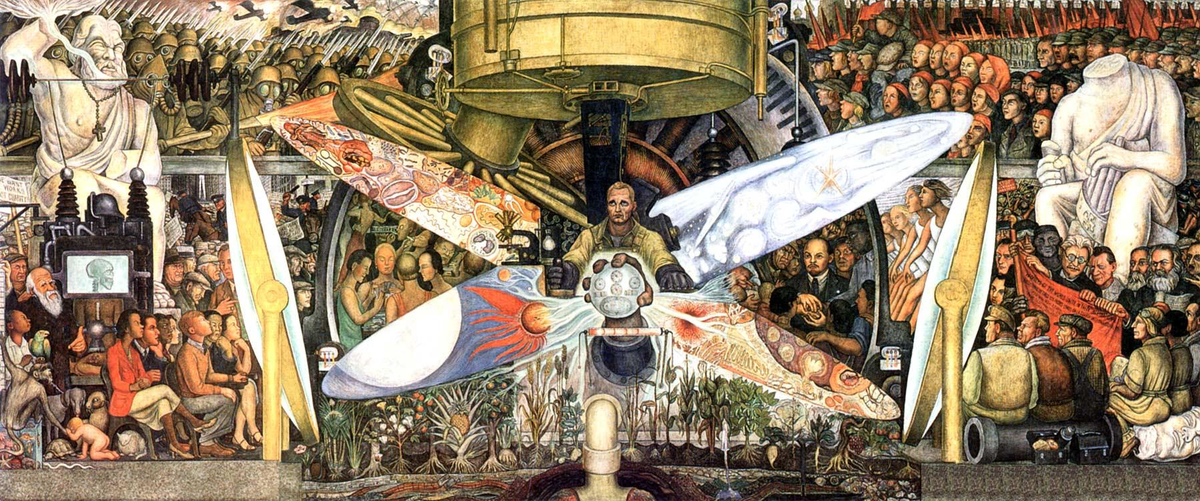
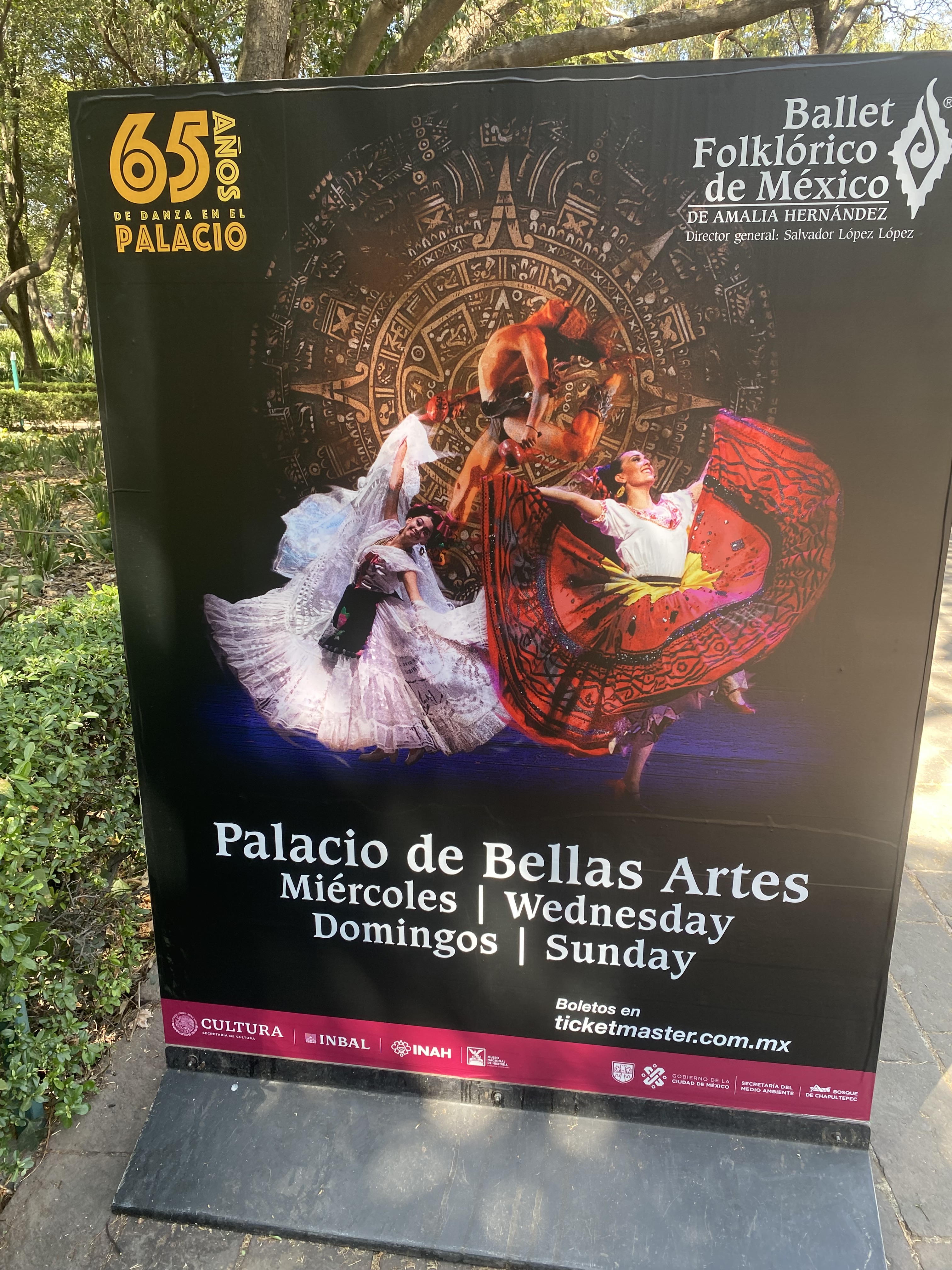
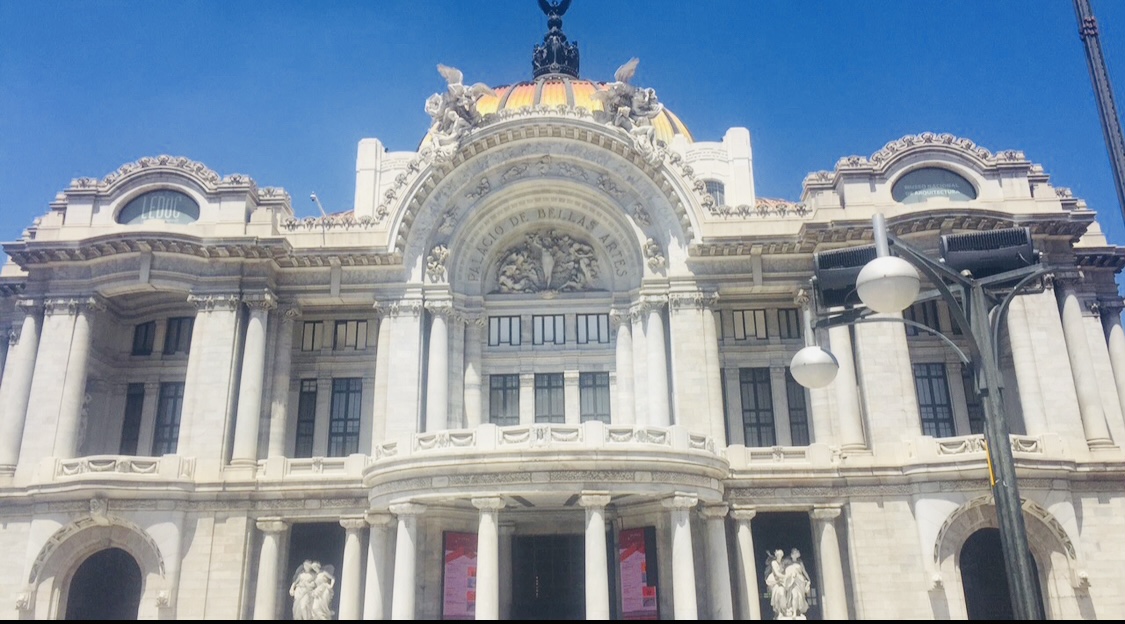
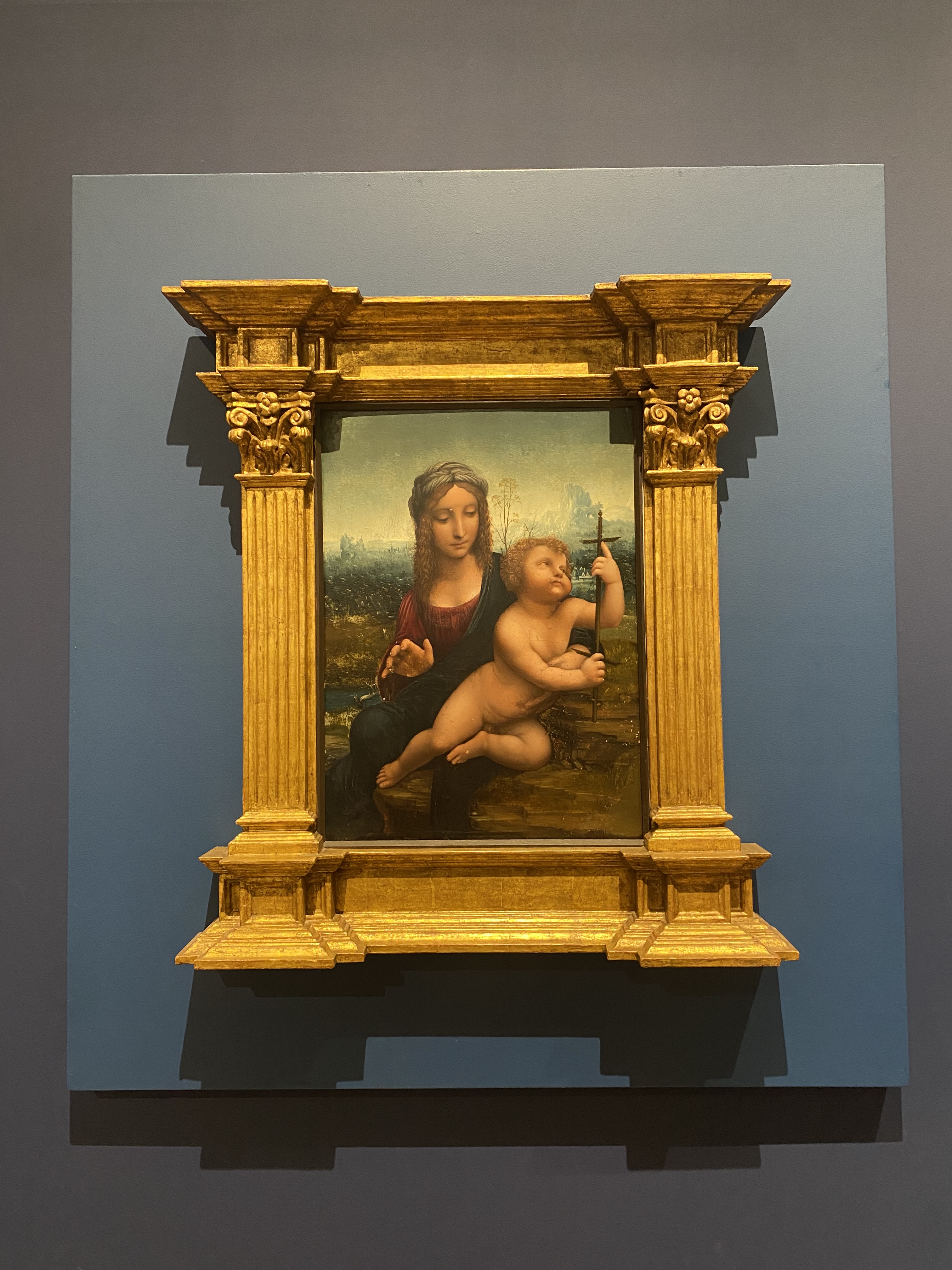
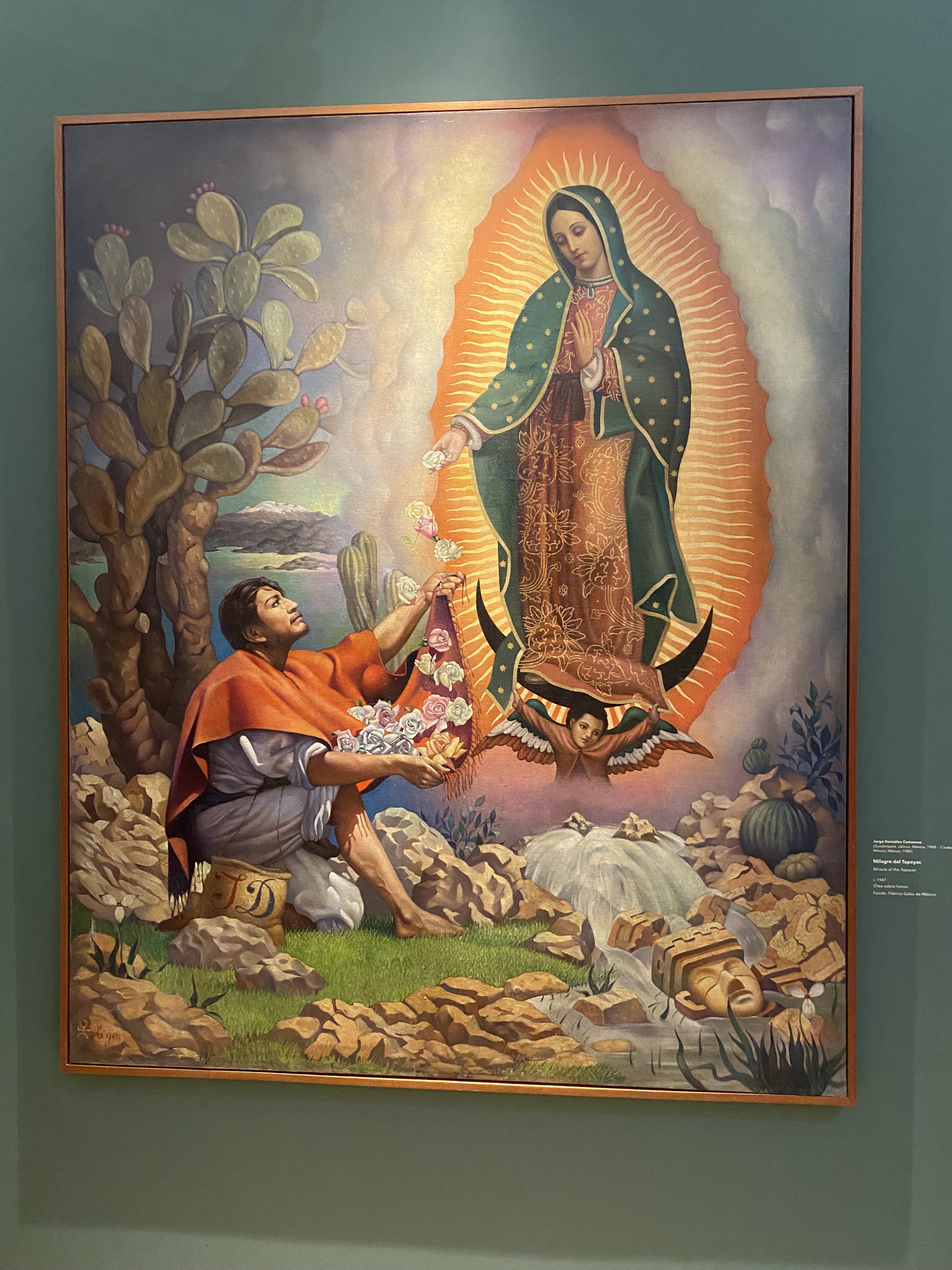
Palacio de Bellas Artes and Soumaya Museum. Even though you should prioritize the Frida Kahlo museum, there’s so much more to Mexican art and culture than Fridamania. The Palacio de Bellas Artes is the national art museum. It features several striking murals by prominent Mexican artists, the most famous being Man at the Crossroads by Diego Rivera. Originally, John D. Rockefeller commissioned Diego Rivera to paint a mural for the lobby of the RCA Building (30 Rock). It was supposed to highlight the ingenuity of mankind, but then it got… really, really Communist. Trotsky (who was Rivera’s friend and Frida’s lover), Lenin, Marx… errbody from the Soviet Revolution is on this mural. And John D. Rockefeller was like “um, no???” and Diego Rivera was like “um, don’t tell me how to paint my art???” and John D. Rockefeller was like “um, you’re fired and I’m destroying this mural???” So Diego Rivera repainted it for Palacio de Bellas Artes. On Wednesdays and Sundays, the Palacio sells tickets for a Mexican folklore ballet. If you can’t see Palacio de Bellas Artes (most museums are closed on Mondays), the Museo Soumaya offers close to the same works and it’s free and open on Mondays.




Day Trips
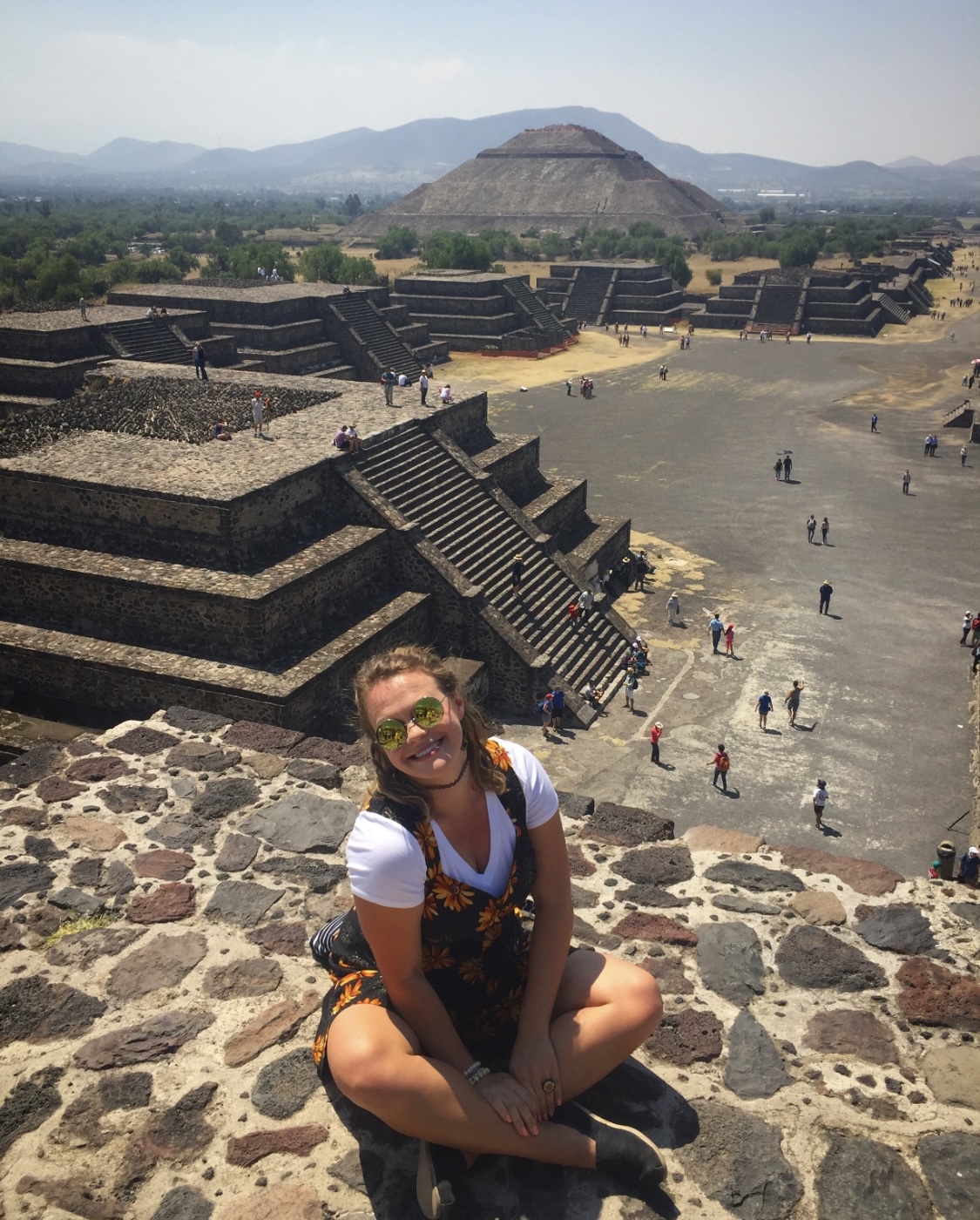
Teotihuacan. The site of an ancient pyramid city, the most famous pyramids being the Pyramid of the Sun and the Pyramid of the Moon. Teotihuacan is all kinds of lined up with the sun and stars and it is OLD old. I mean, it’s so old, it predates the Aztecs/Mexicas. The Aztecs/Mexicas got there and were like “dang even we think this place is old.” It’s so old, it doesn’t have an official name. Teotihuacan is the Nahuatl name the Aztecs/Mexicas gave to the city, meaning “birthplace of the gods.” Stroll down the Avenue of the Dead and admire the formations of baby skulls sacrificed at the corners of the pyramids if ya nasty. Teotihuacan contains climbable pyramids for anyone who is moderately physically fit—in other words, if you’re a curvy girl who doesn’t hit the stairmaster on the reg, you should still be able to climb the Pyramid of the Moon—but remember you’re in the hot sun and already at an elevation of 7,349 feet above sea level, and the pyramid is 7,500 feet. You can do it, but pace yourself and drink water. Teotihuacan is about an hour and a half northeast of the city; the cheapest option is to take the bus, which is about $6. But it might be worth it to do a GetYourGuide trip: they even have hot air balloon rides over the pyramids.
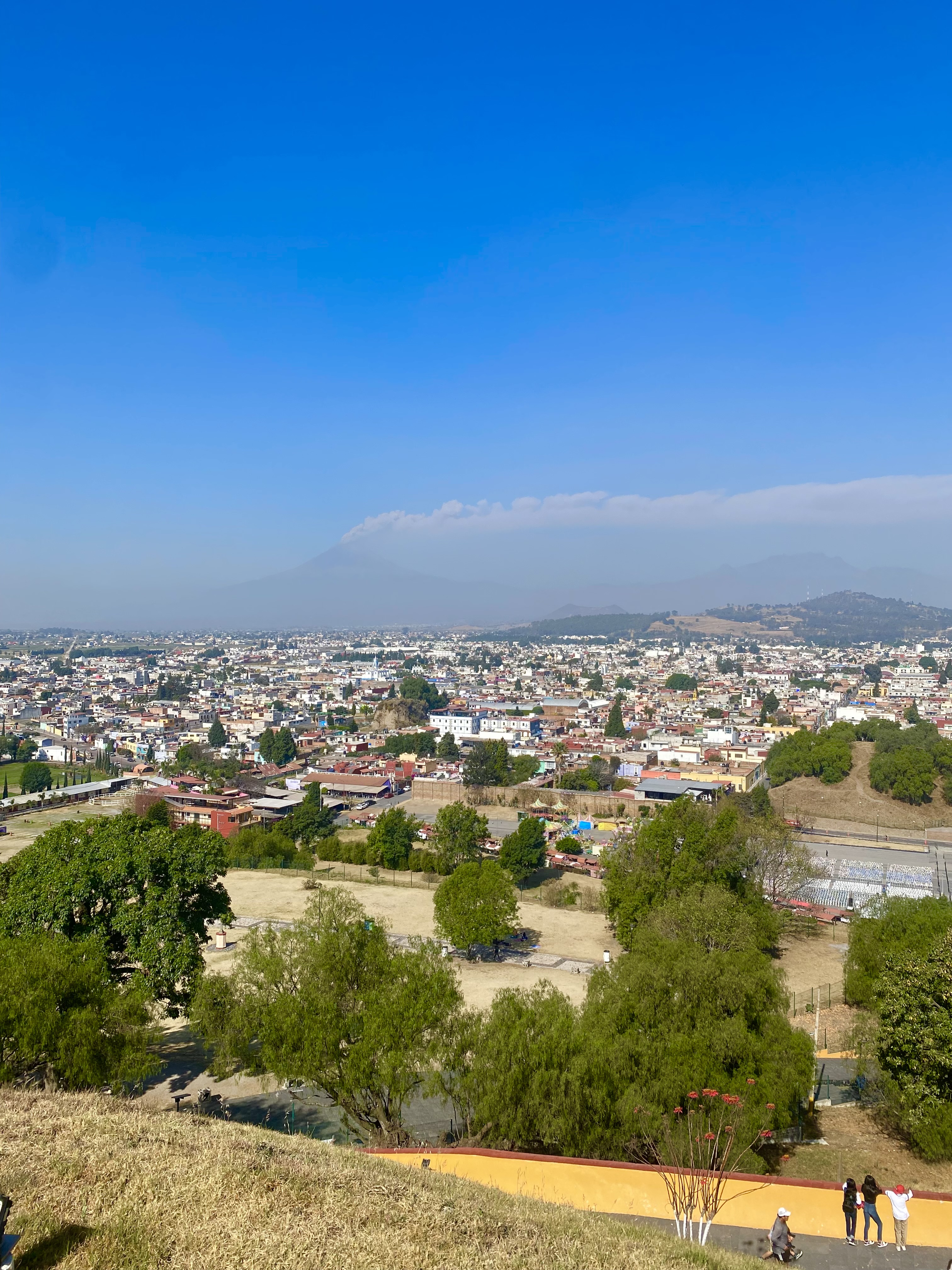
Puebla and Cholula. You should definitely prioritize Teotihuacan, but if you have an extra day in Mexico City and you’ve already hit up everything else on this list, I would recommend getting outside of the city to experience more of Mexico. The towns of Puebla and Cholula are about two and a half hours away. I would recommend this GetYourGuide bus tour: you can hop on a local bus easily for Teotihuacan, but trying to get to these places can get stressful, and our guide was a history professor and made the whole trip worth it. Cholula (no relation to the hot sauce) is the site of the largest pyramid in the world by volume. It’s grown over into a hill now, and the Spaniards built a cathedral on top of the pyramid. Climb the pyramid for a killer view of Popocatépetl, the active volcano which rises above the city.
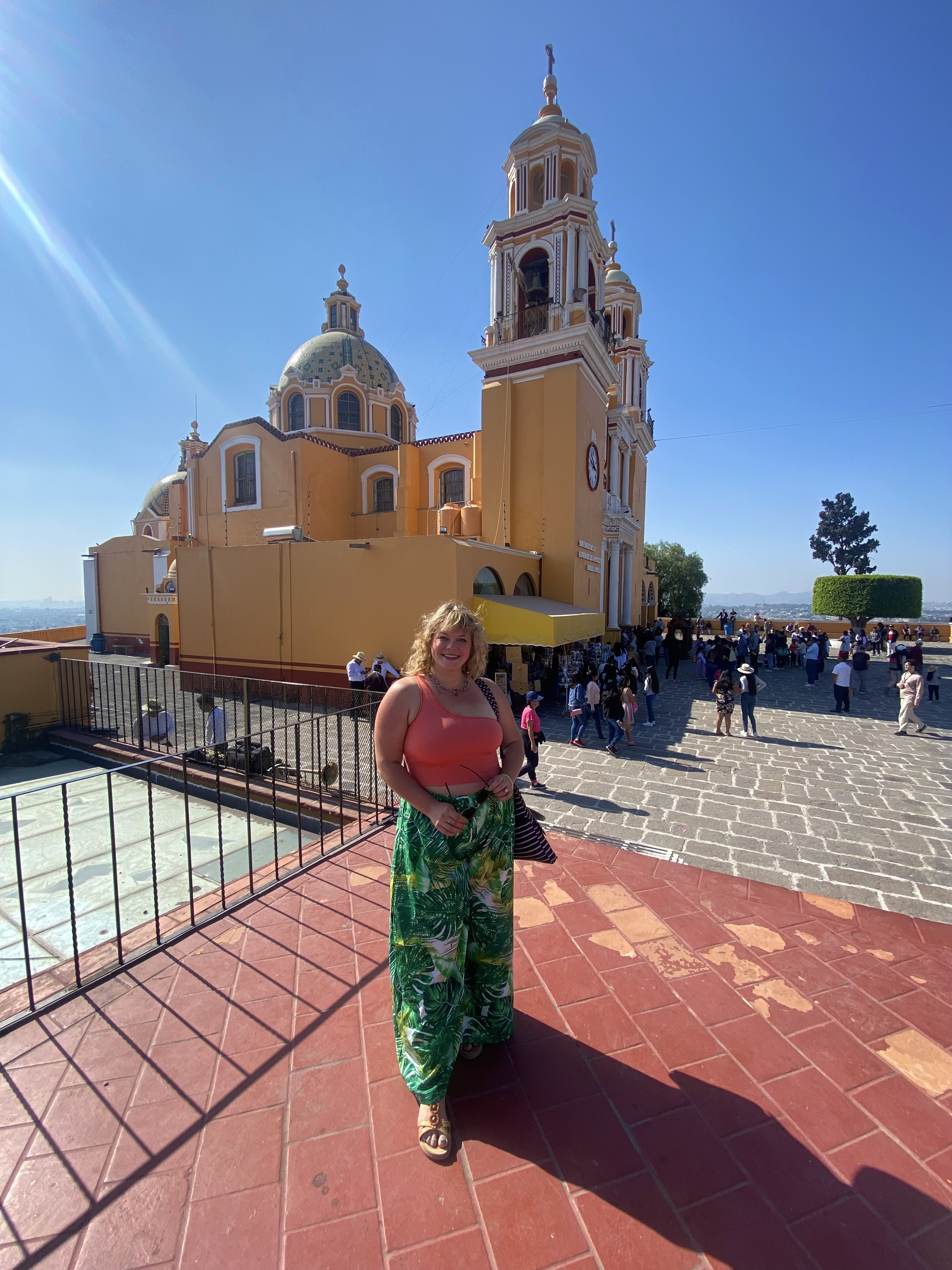
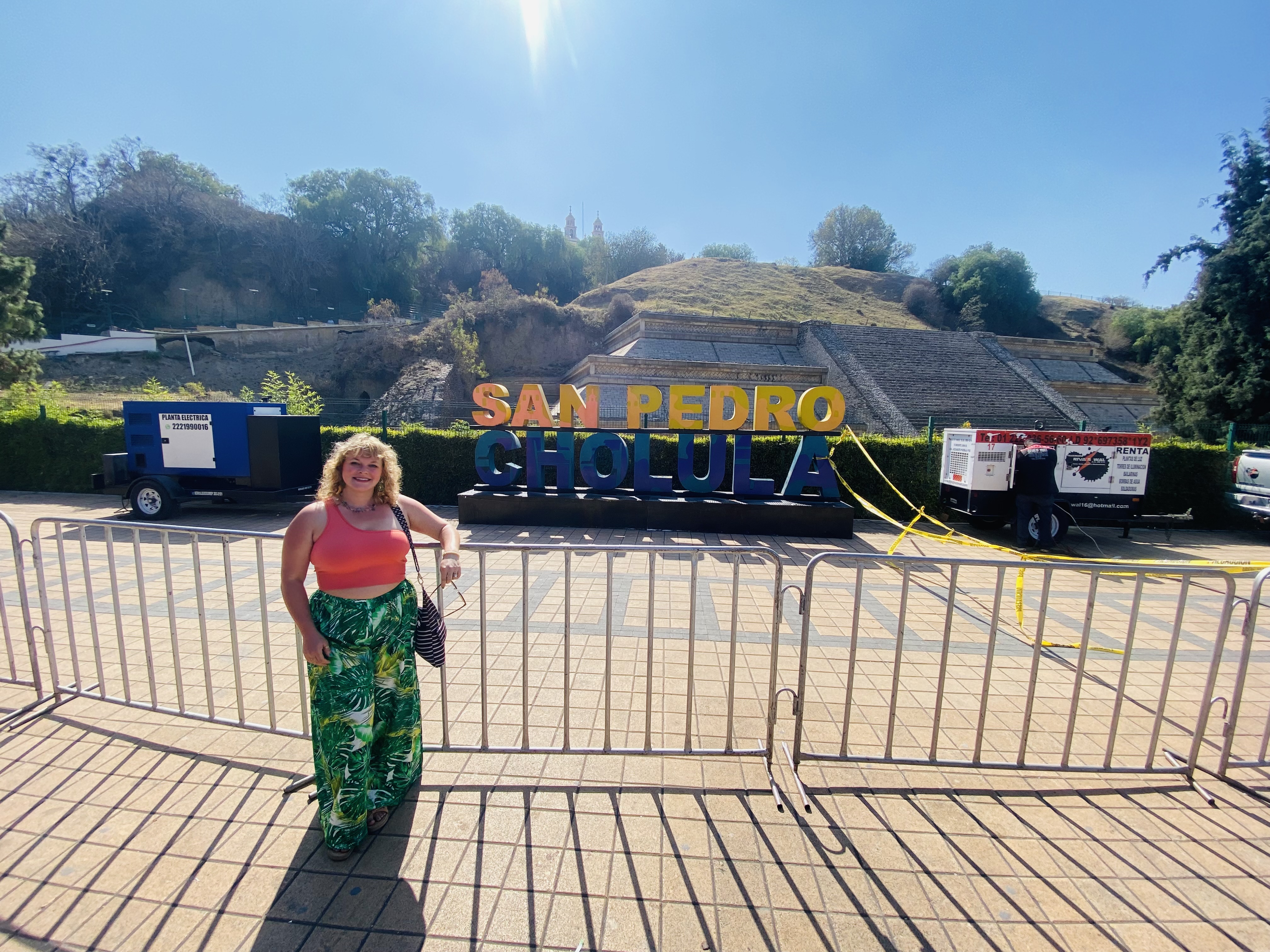

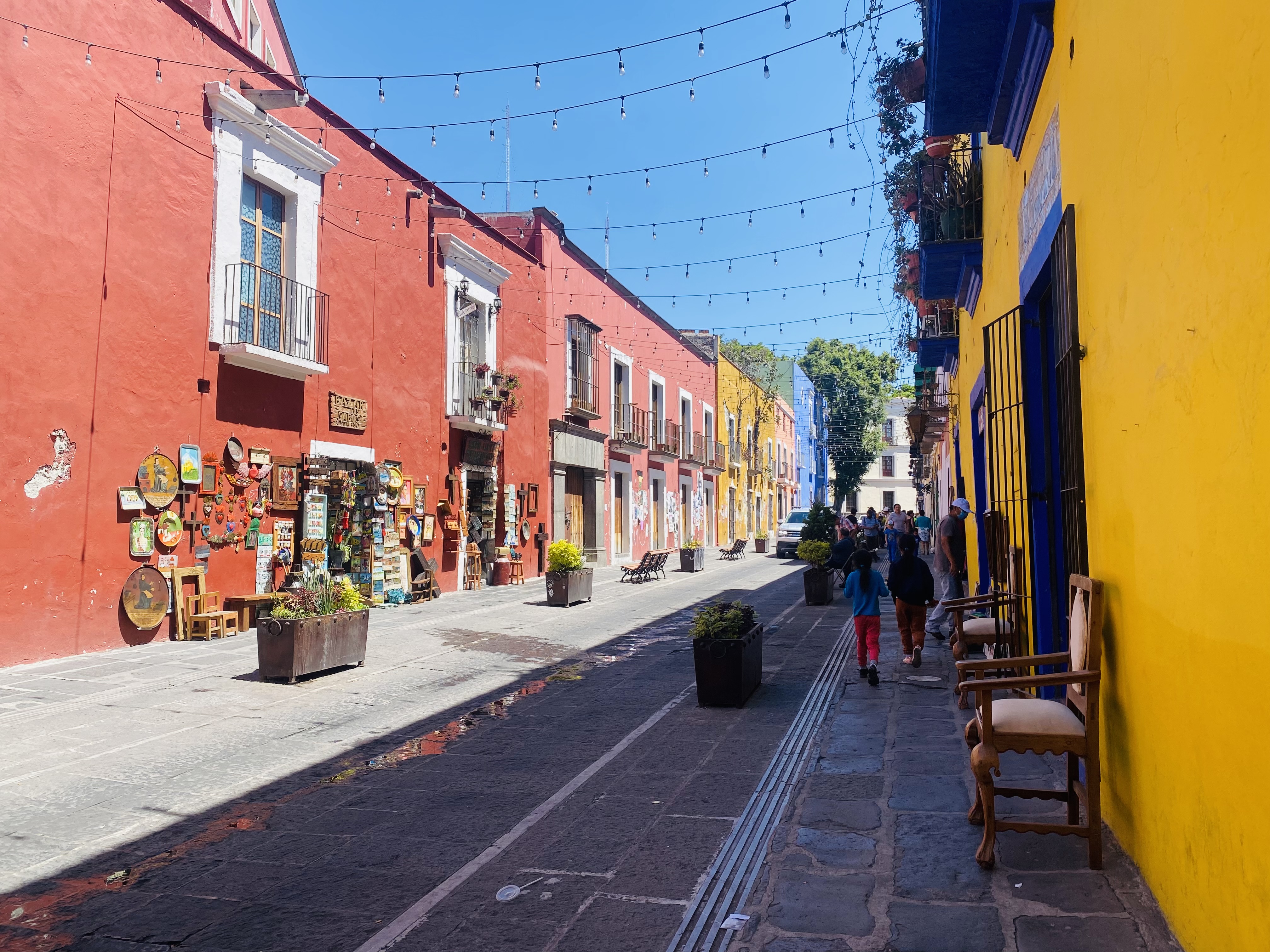
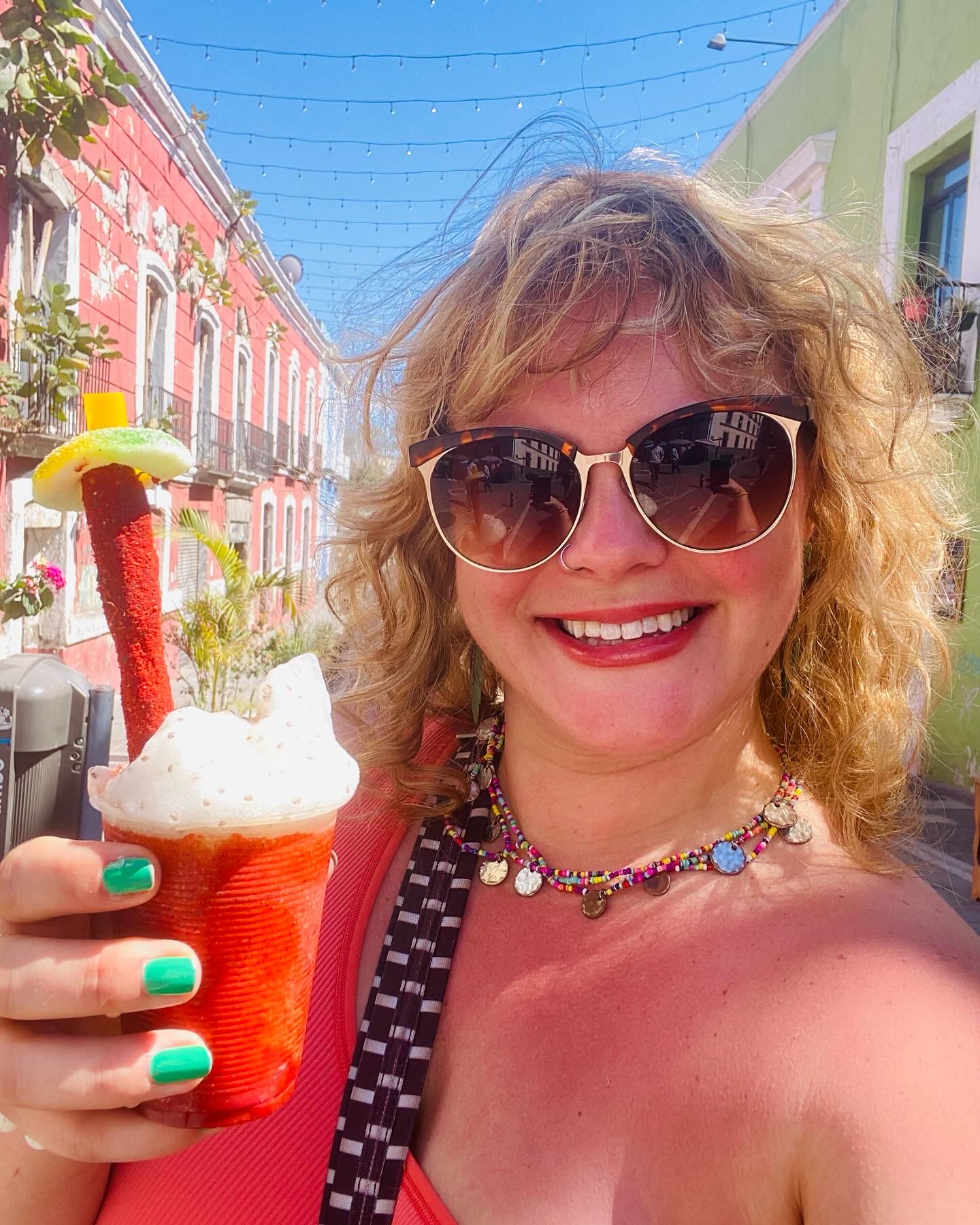
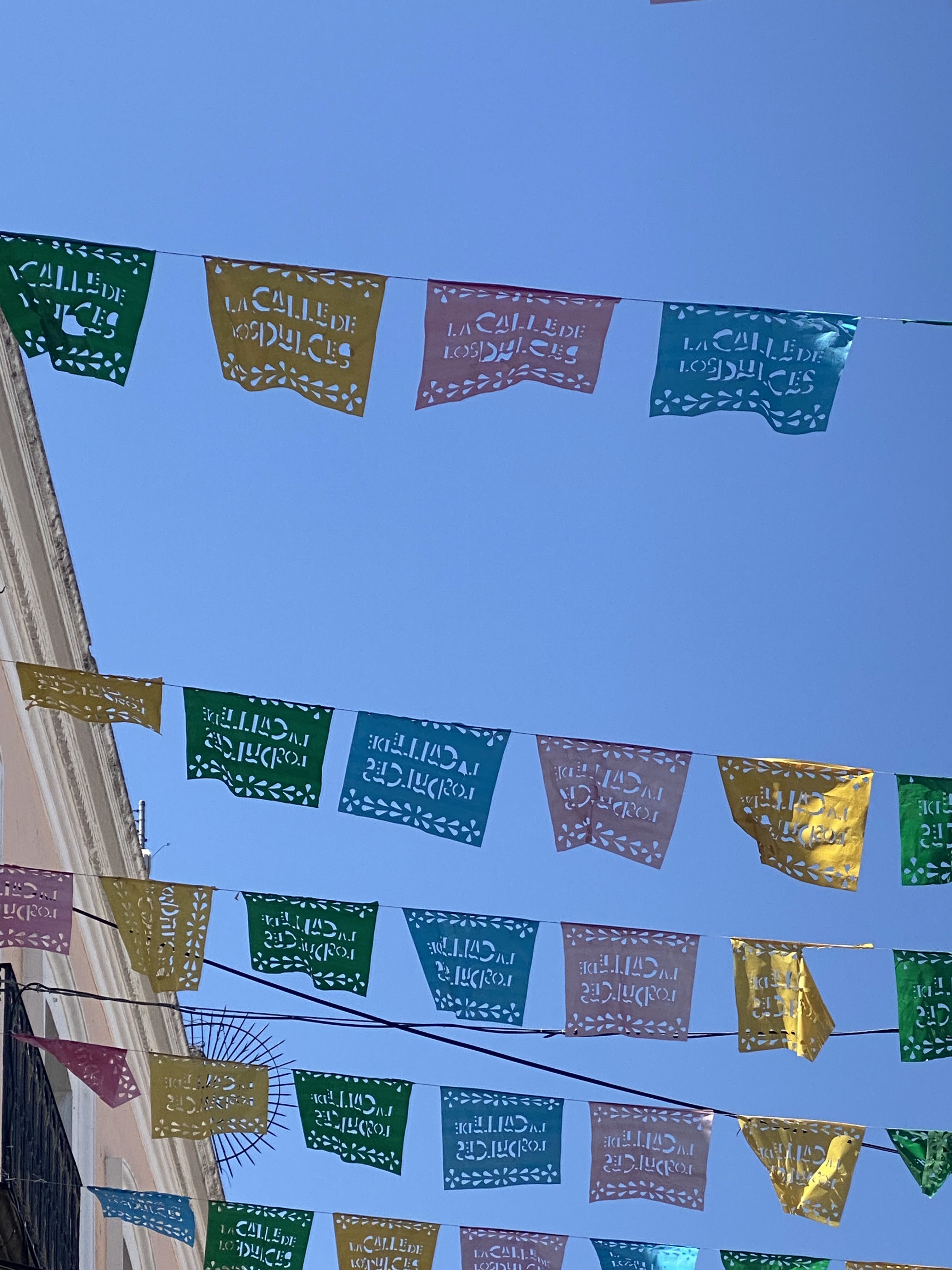
Puebla is the birthplace of molé, the most delicious sauce in all of Mexico made from slow-roasted chile peppers and chocolate. The legend goes that the nuns of the Convent of Santa Clara invented the sauce when the archbishop showed up unannounced and they had nothing to serve him but an old turkey. They covered the turkey in a sauce that was so good, it completely distracted the archbishop from the fact that he was eating an old bird. Many Mexican sweets and candies are made in Puebla; don’t miss La Calle des Dulces, or Sweet Street.


WHERE I ATE
Mexico City, like Paris and New Orleans, is a foodie capital of the world. However, when you come here, you will be faced with some paradoxical truths.
You will eat some of the best food in your entire life here, but it probably won’t be at a top-rated restaurant. But all the food is good.
Mexico City’s restaurants can be hip, historical, beautiful, or all three. And these restaurants will pop up on travel guides (like this one) and Condè Nast and Bon Appetit, touted at Must-Visit Eats in CDMX, but honestly… none of them compare to a taco stand on the street. And you know how you can tell? You don’t see locals at these gentrified taquerías, but you will see everybody lined up around the block for a taco stand, chowing down while sitting on the curb. These tacos will lift your soul from your body.

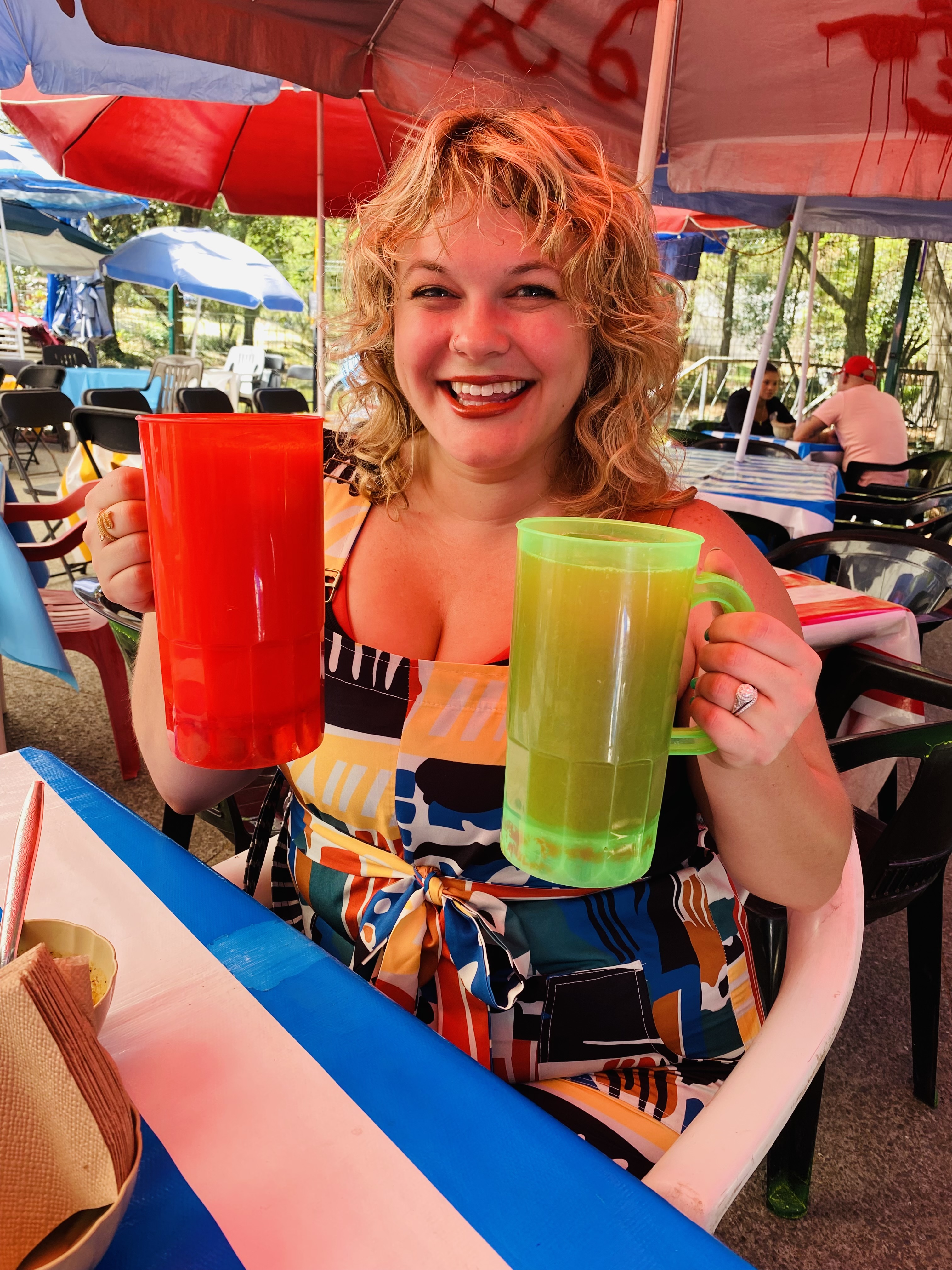
So after two trips to Mexico City, take my advice: eat lunch at a taco or torta (sandwich) stand. Grab a cup of fresh fruit with chamoy sauce and a gigantic liter of juice or horchata from a nextdoor stand, and you’ll have one of the best meals of your life for less than $7. They won’t be open for dinner, which is when you can wander into any restaurant that looks good, or book a reservation for one of the chichi restaurants. If you’re like “oh golly gee I don’t know about them there street food, what if it makes me sick” you can take that attitude right back to Señor Frog’s in Cozumel. Or Panama City Beach.
Beyond the elote/micheladas of Xochimilco and the tacos/fruit/juices of the streets, I have a few recommendations for dishes to try in Mexico City. Obviously, you should try anything with molé sauce. There are several varieties of molé (which quite literally means sauce—guacamole is an amalgamation of aguacate mole, or avocado sauce): the most famous is Mole Negro, a rich, black sauce from ancho chiles and chocolate. Mole Rojo is redder, spicier and sweeter. Mole Verde is made from pumpkin seeds, cilantro, and green chiles, and is famous for its cheery green color. But there are also molés from different regions, and certain molés go with certain dishes. Try as many different molés as you can. You can get enchiladas in the states; you can’t get good molé above the border.


The other dish I would highly recommend you try (especially in Puebla, if you take the day trip) is chiles en nogada. Have you ever had stuffed poblano peppers? Guess where poblano peppers come from. Puebla. Poblano literally means “from Puebla.” And Puebla’s signature dish (other than molé obviously) stuffs savory poblano peppers with plantains, dried fruit, and usually some kind of ground or chopped meat, then covers the baked or fried peppers in a creamy walnut sauce that’s kind of like tahini, topped with sweet pomegranate seeds. I tried it at Fonda Tipica La Poblana in Puebla and it was easily one of my favorite meals of the trip.
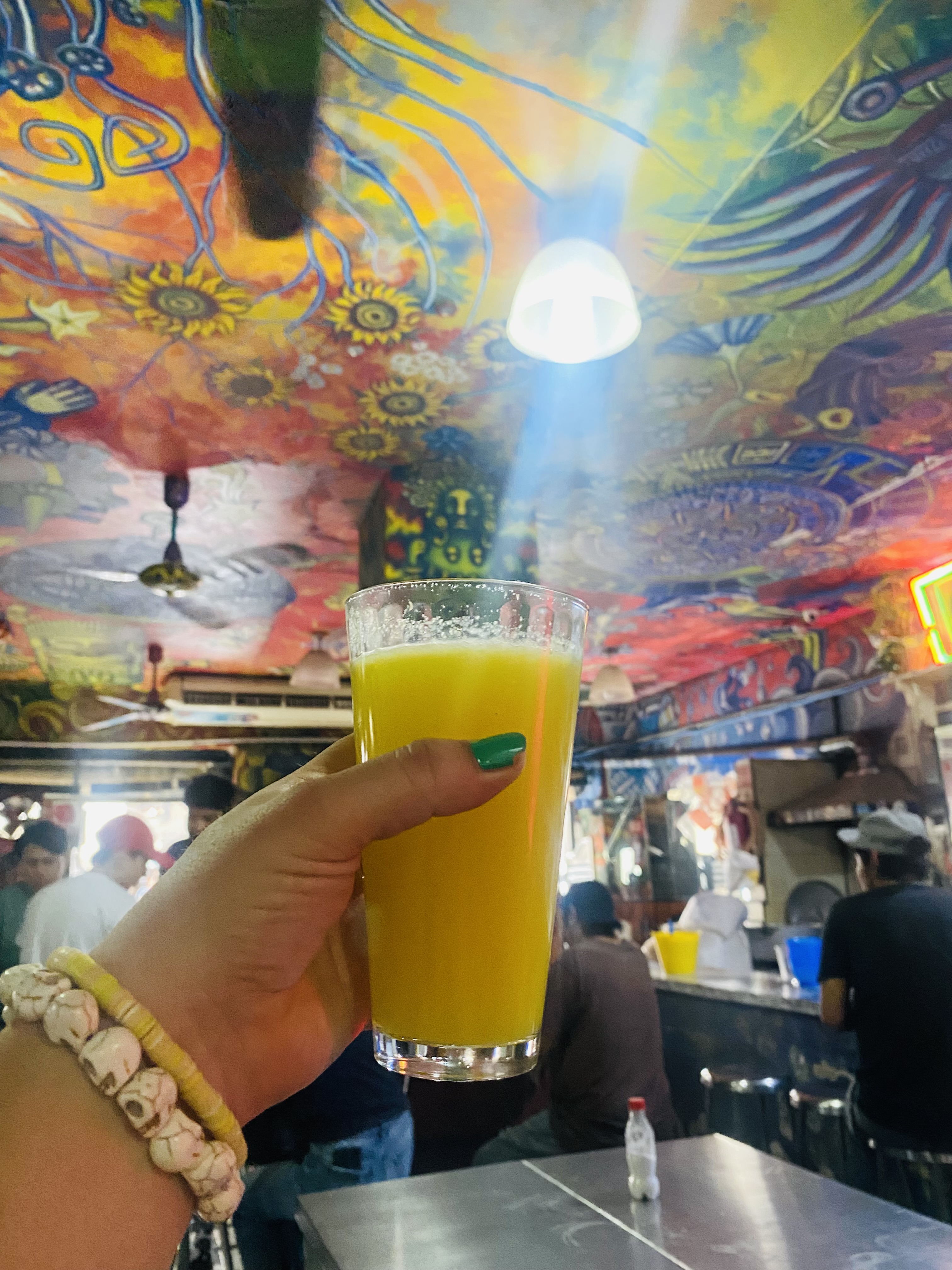
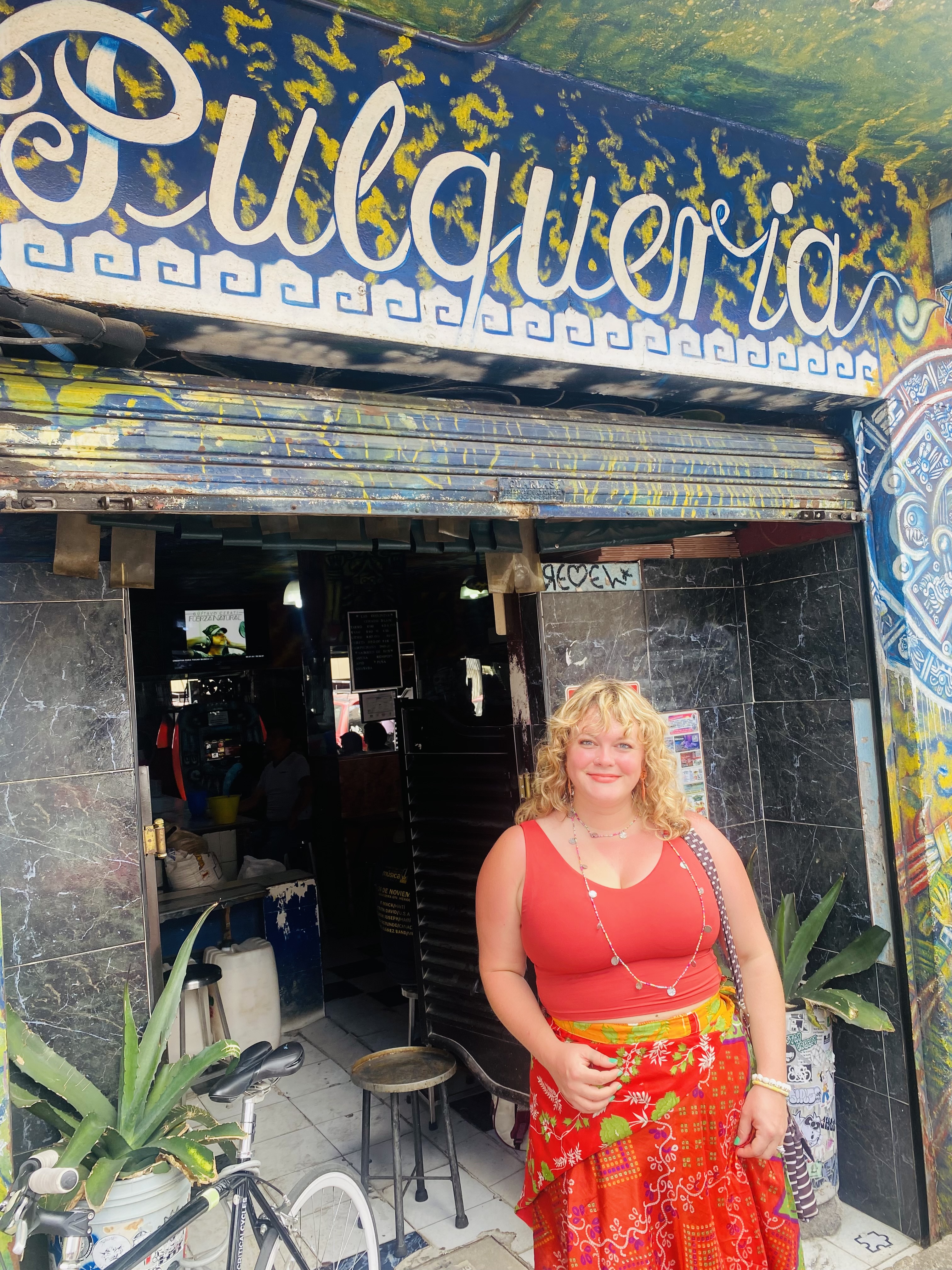
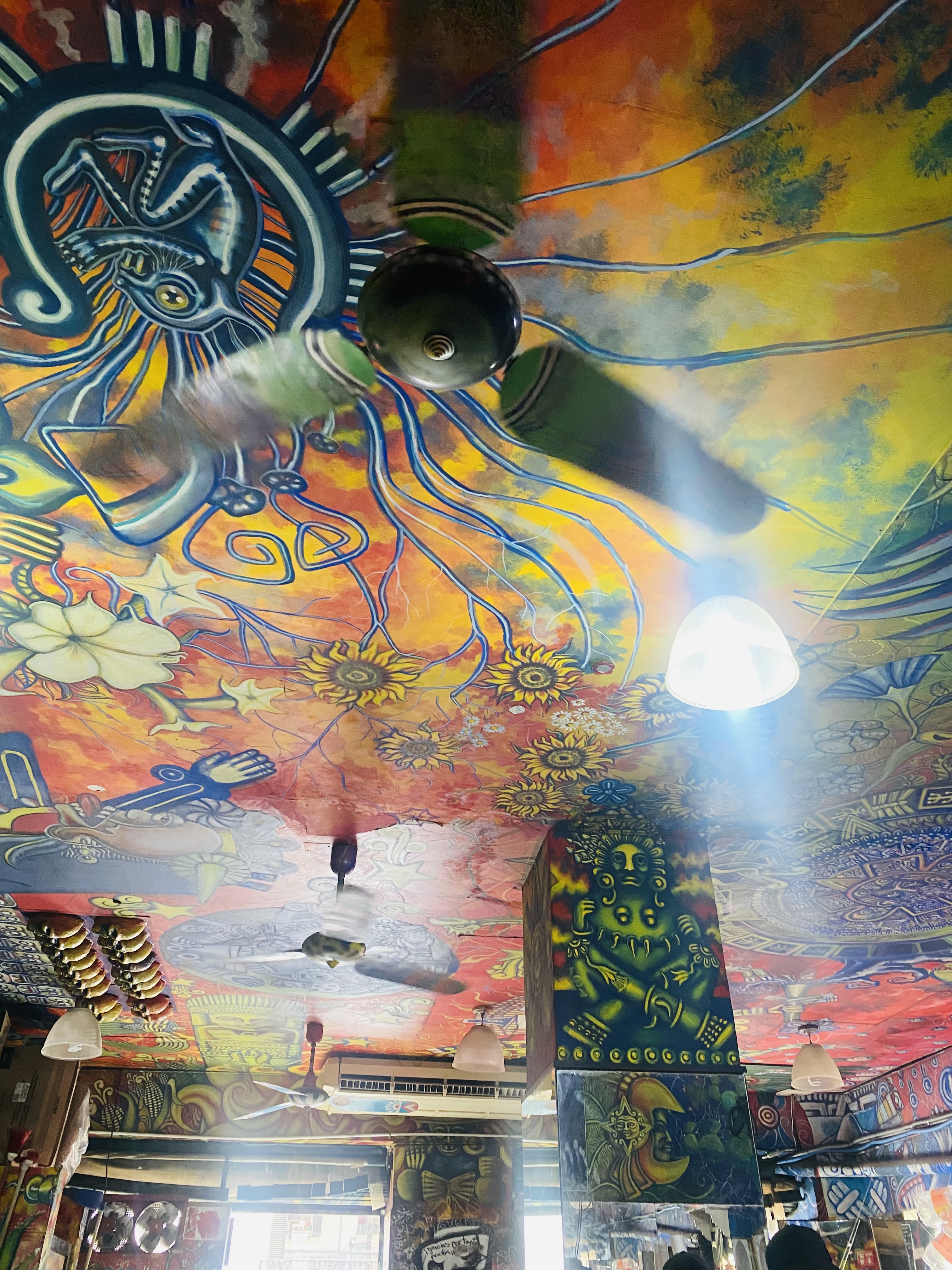
Another treat you can’t get in the states is pulque. The Aztecs/Mexicas called this “the drink of the gods,” and Mexico City (the Aztec capital) is one of the few places in the world where you can get it. Look, I know you came to Mexico ready to drink all the tequila in the world, but don’t. You should drink mezcal, the Hot Older Brother of tequila with a smoky taste, and pulque. Mezcal and tequila are made from the core (the piña) of the agave plant, whereas pulque is made from the pulp. Try pulque in Xochimilco; when blended, it’s frothy and pulpy like frozen lemonade. When served plain, it’s kind of like drinking aloe vera juice: smooth and milky. There are several pulquerias in Mexico City: I would recommend Pulqueria Las Duelistas, which is a Chilango-heavy (read: locals only) dive bar deep in Centro. It has a bodacious Aztec-surfer-dude vibe, like if the feathered serpent god Quetzalcoatl slithered around on a skateboard listening to Sublime. It’s a refreshing break from the manicured cafes in Roma, teeming with hipsters and insta-tourists (guilty?). Seriously, if I had to listen to one more hipster couple have a vapid conversation squeezed in at the table next to me in the aesthetically-pleasing cafes of Roma-Condesa, I was going to scream. I needed a taste of REAL Ciudad de Mexico before people (like me?) ruin the city. If you’re reading this and you’re like “hold on, if it’s locals only, will a gringo like me be welcome?” Yes, duh. This is Mexico City. Everybody is super, SUPER polite and welcoming here, especially if you speak Spanish. Just mind your manners and be cool.


Final Mexican-Oaxacan delicacy to try: chili-fried crickets, or chapulines, with tortilla chips and fresh guacamole. Like escargot, this is a mind-over-matter snack that once you try it, you won’t want to stop eating it. I know, I know. You’re like “ew I’m not eating a bug.” Well first of all, statistically you accidentally consume one pound of bugs a year. Second of all, your ancestors ate bugs and got along perfectly fine, and they didn’t have the chili spice that chapulines are fried in. Third of all… just… like… shut up and try it, okay? Please?


In Roma, make sure to hit up Churreria El Moro for fresh churros and hot chocolate. You can get churros just about anywhere, but El Moro is an institution.
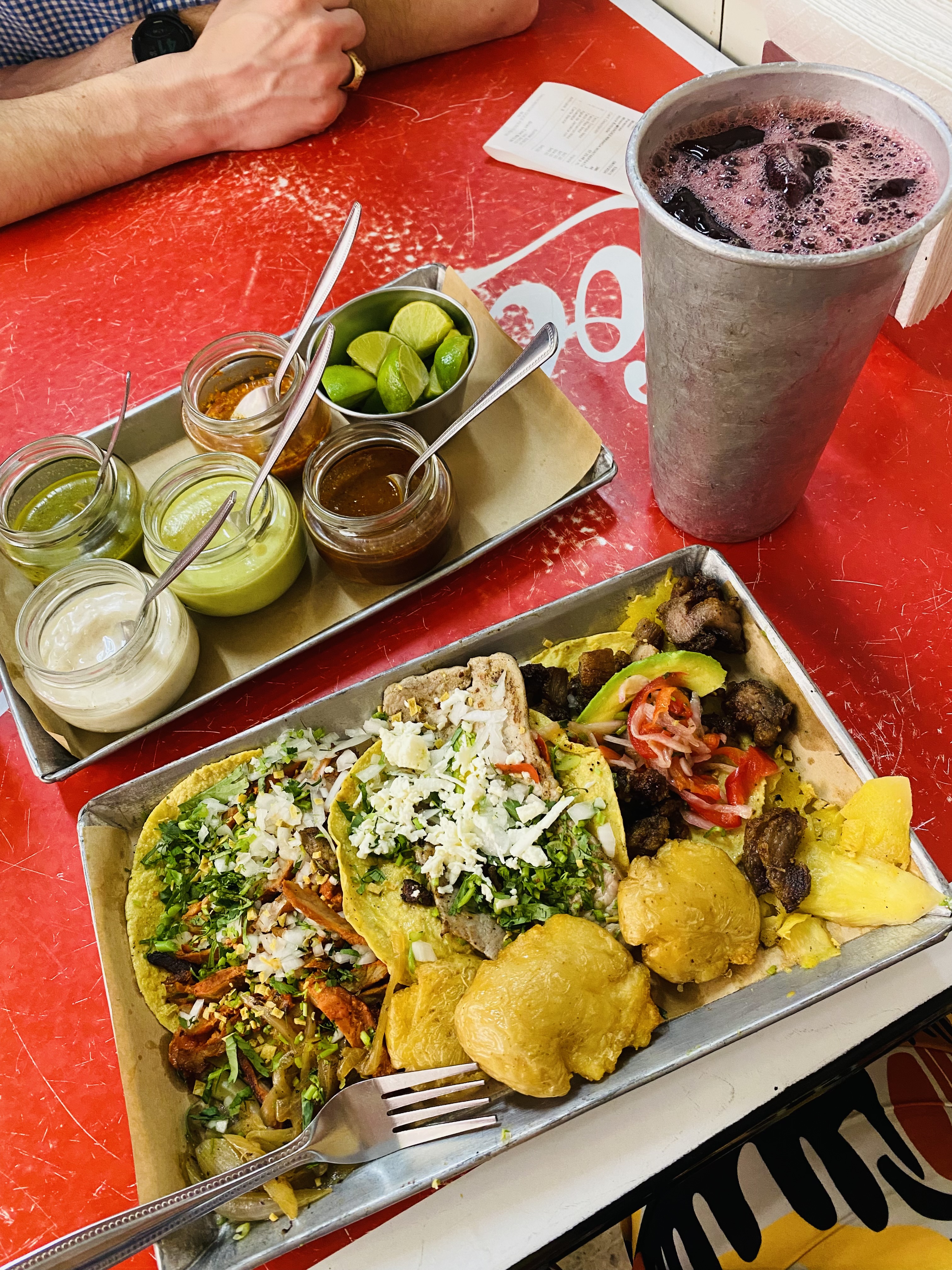
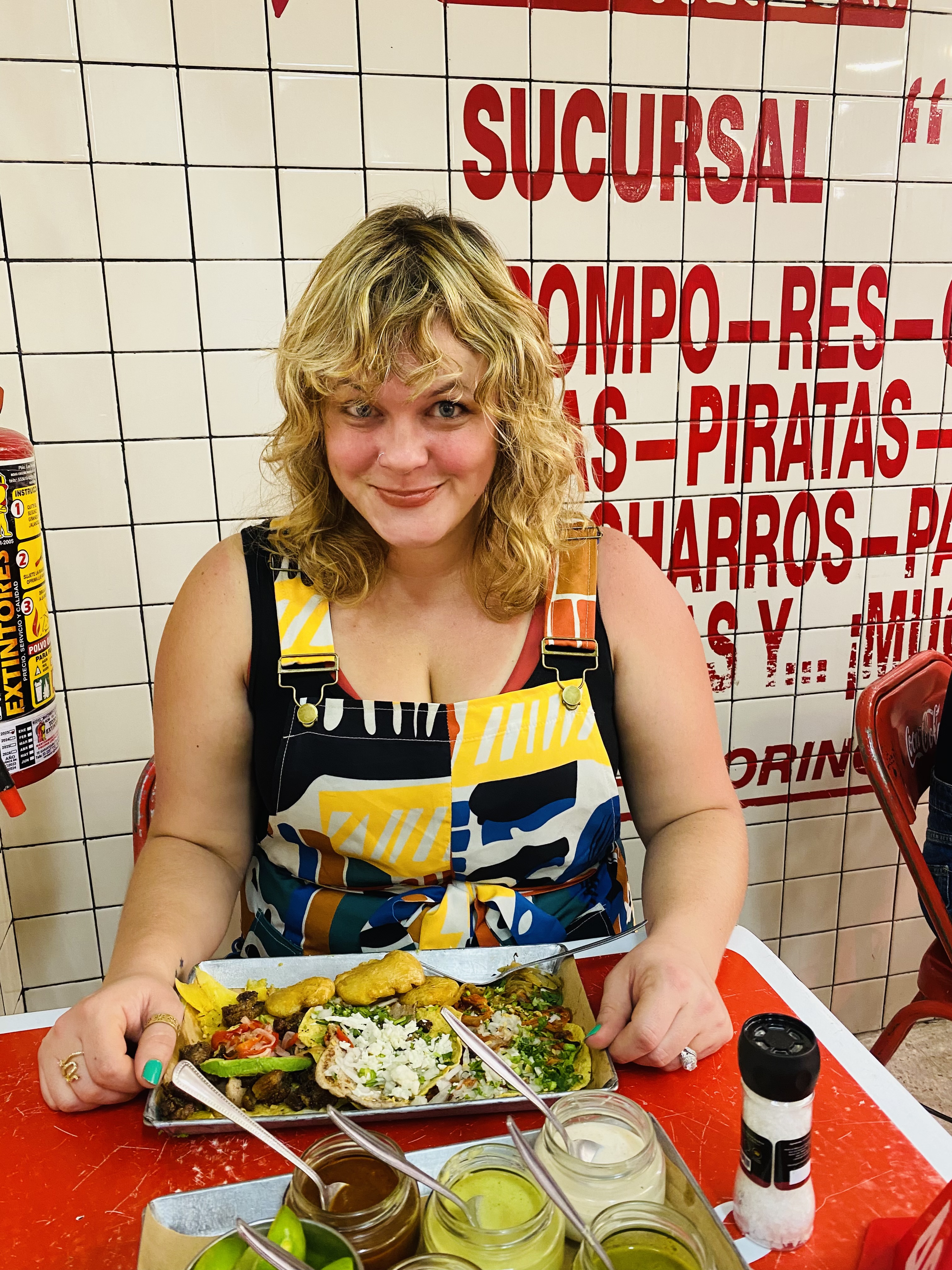
If you’re looking for late-night tacos in Roma but all the taco stands have tragically closed, try Orinoco. This is a weird way to describe it but it’s like the Five Guys of Mexico City taquerias. And I don’t even like Five Guys. But there’s a quick-moving line around the block for tacos chicharrones and guava-hibiscus agua fresca served by the liter in metal milkshake cups.
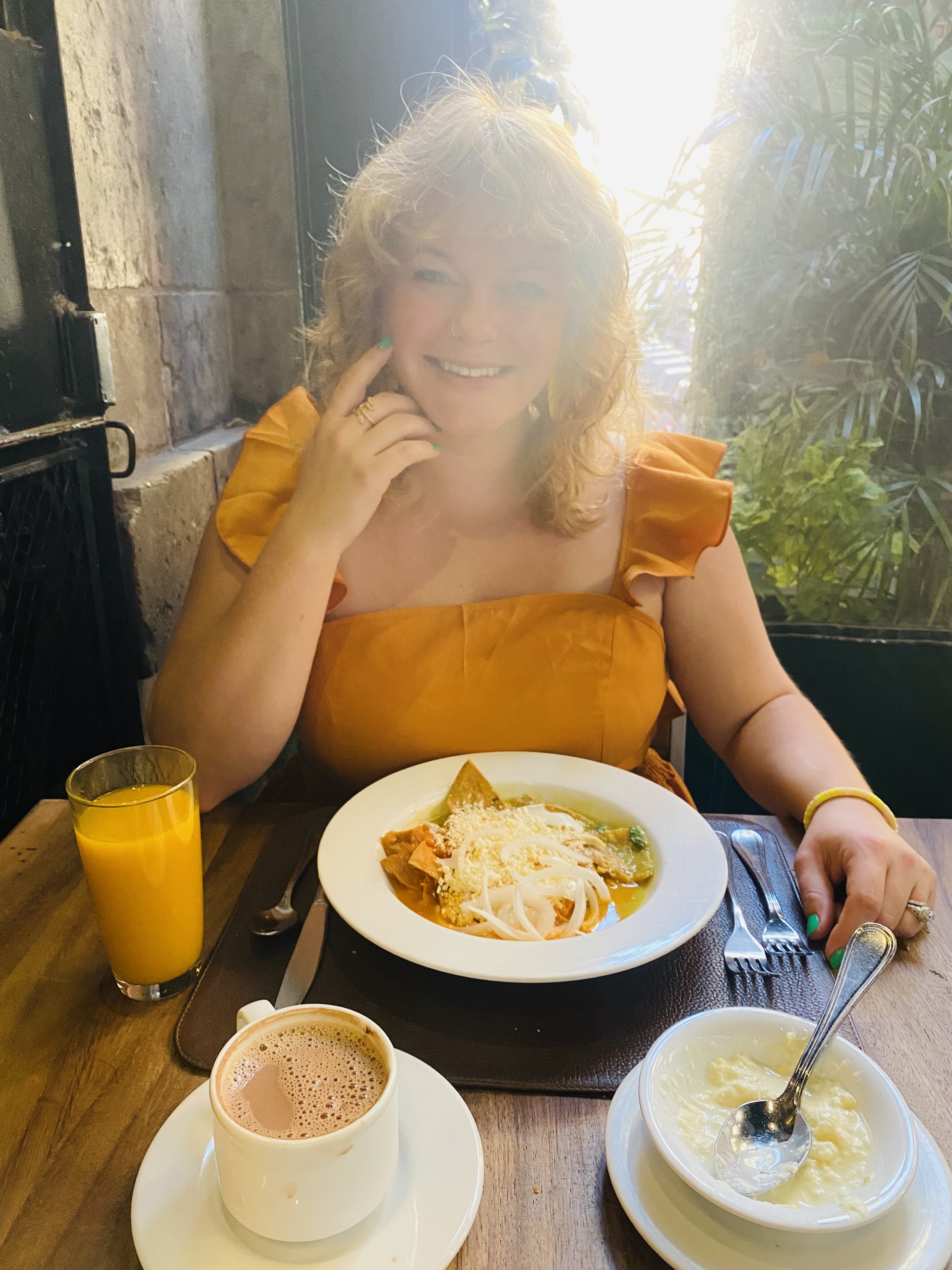
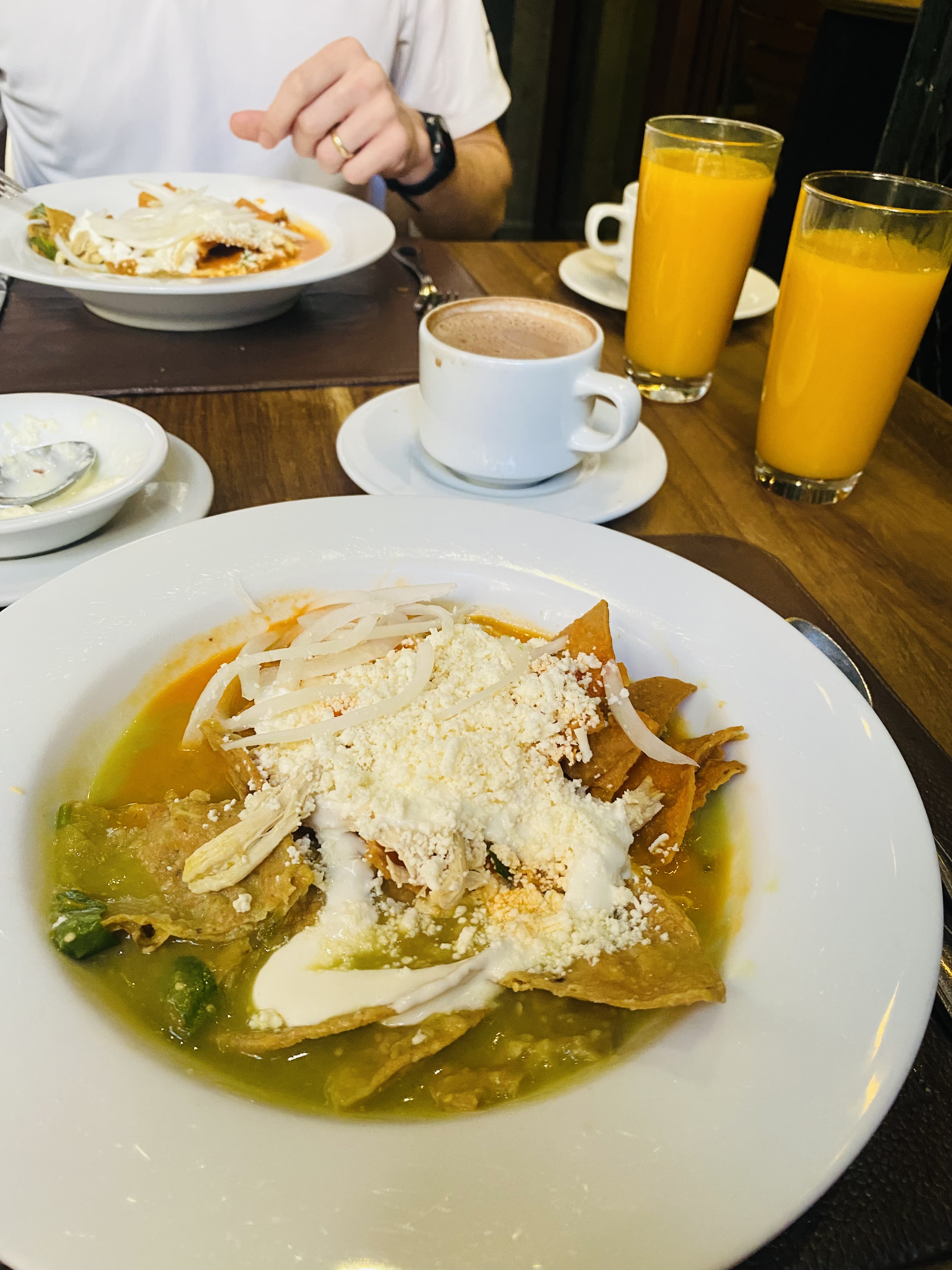
Last must-visit restaurant recommendation from me: Restaurante El Cardenal. PLEASE go here for breakfast. This is a three-story historic restaurant in Centro near Zócalo which features beautiful stained glass windows. The service is excellent: you get fresh-baked pastries (pan de dulce–definitely get the conchas), traditional Mexican hot chocolate made tableside, fresh mango juice, and that’s not even your main dish. (Get the chilaquiles: tortilla chips bathed in a slightly spicy sauce and drizzled in crema and cotija cheese.)

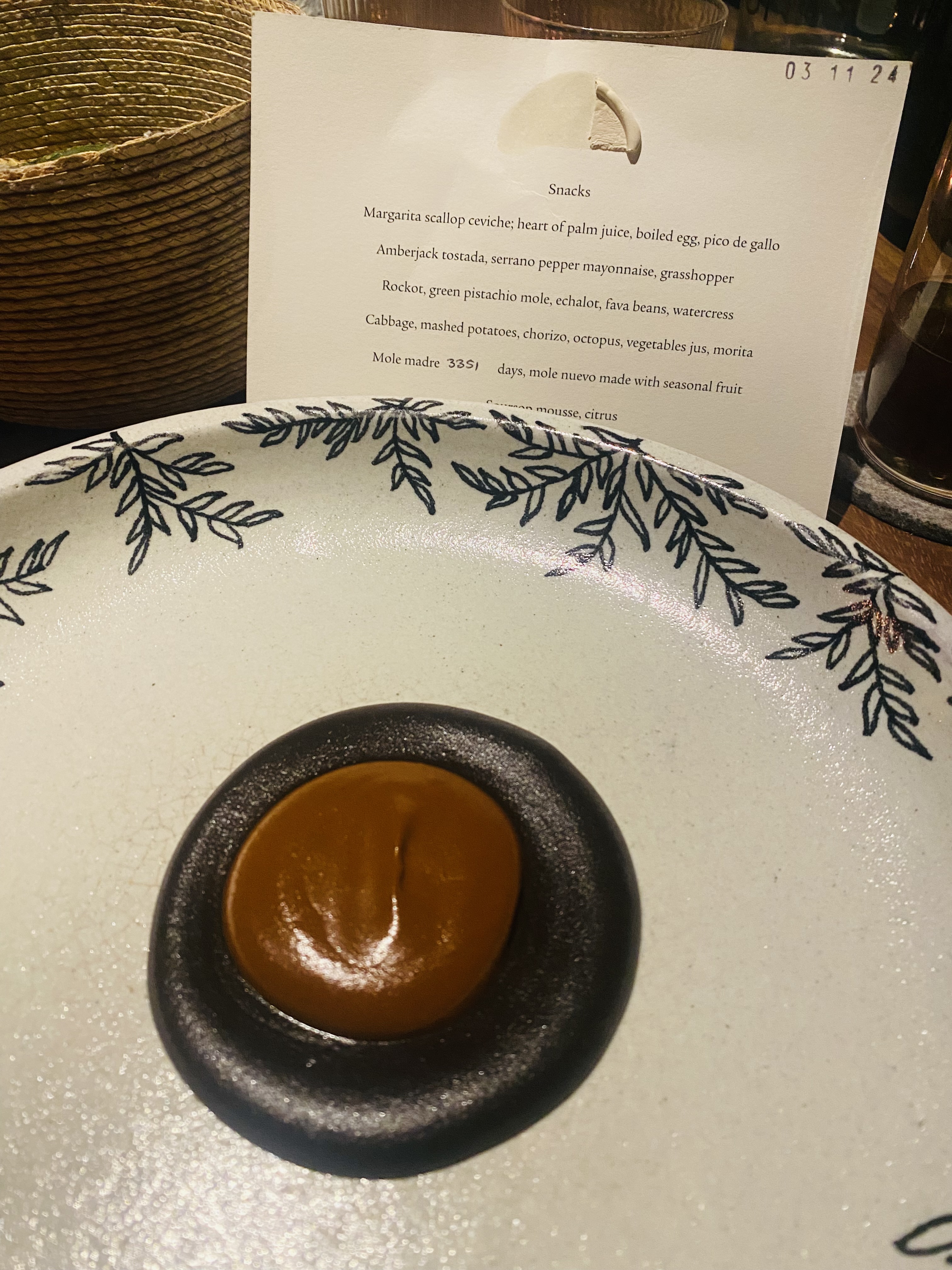
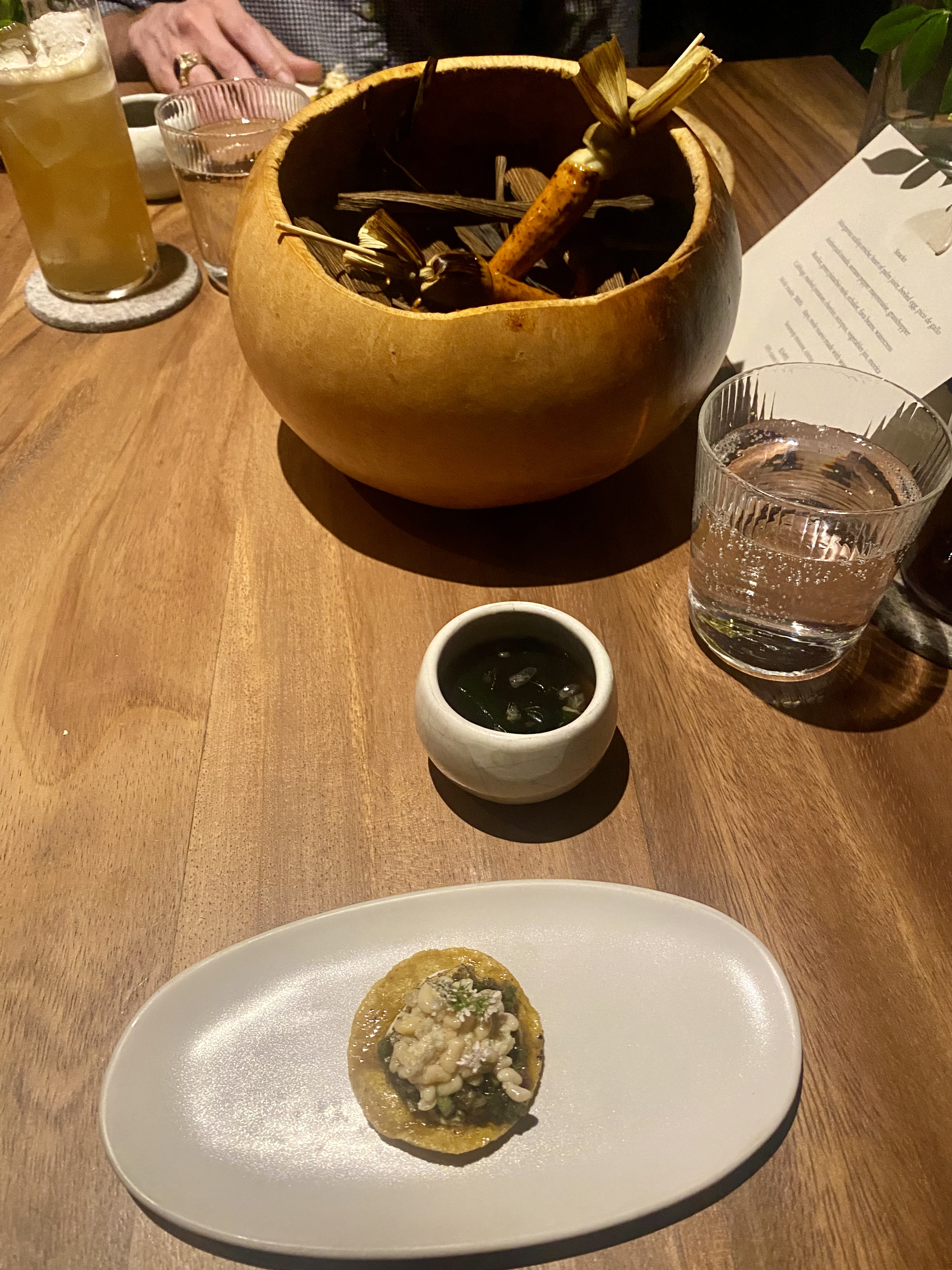
Okay, these two restaurants are really good, but they’re bougie restaurants. I liked both of them, they were both worth the price, but if you’re like “nah I want to save money and binge on street tacos” I think it would be worth your while. That’s not to say these restaurants aren’t great, they are, and they’re perfect for a last-night-fancy-meal or a romantic evening dinner before dancing at Mama Rumba.
The first is Pujol, located in swanky Polanco. This frequently makes World’s 50 Best Restaurants (it’s currently ranked #5) and it was featured on Netflix’s Chef’s Table. You need to make a reservation WAY in advance, especially for their famous seven-course tasting menu. The grand finale of the tasting menu is Pujol’s Mole Madre: a perpetual stew molé sauce that has been simmering and continuously added to (kind of like sourdough starters) for ten years. The Madre Mole, a deep and chocolatey black, is the ladled in a perfect circle in the middle of the plate, and in the middle of the Madre Mole, a new molé sauce made that day is spooned like a bullseye. Since Pujol is ranked among the best in the world, its prices are about the same as other Michelin-starred restaurants. Prepare to spend about $500–600 here for a dinner for two. It’s worth it, but… again… nothing in this city is quite as good as a taco on the street. Not even Michelin-starred food.




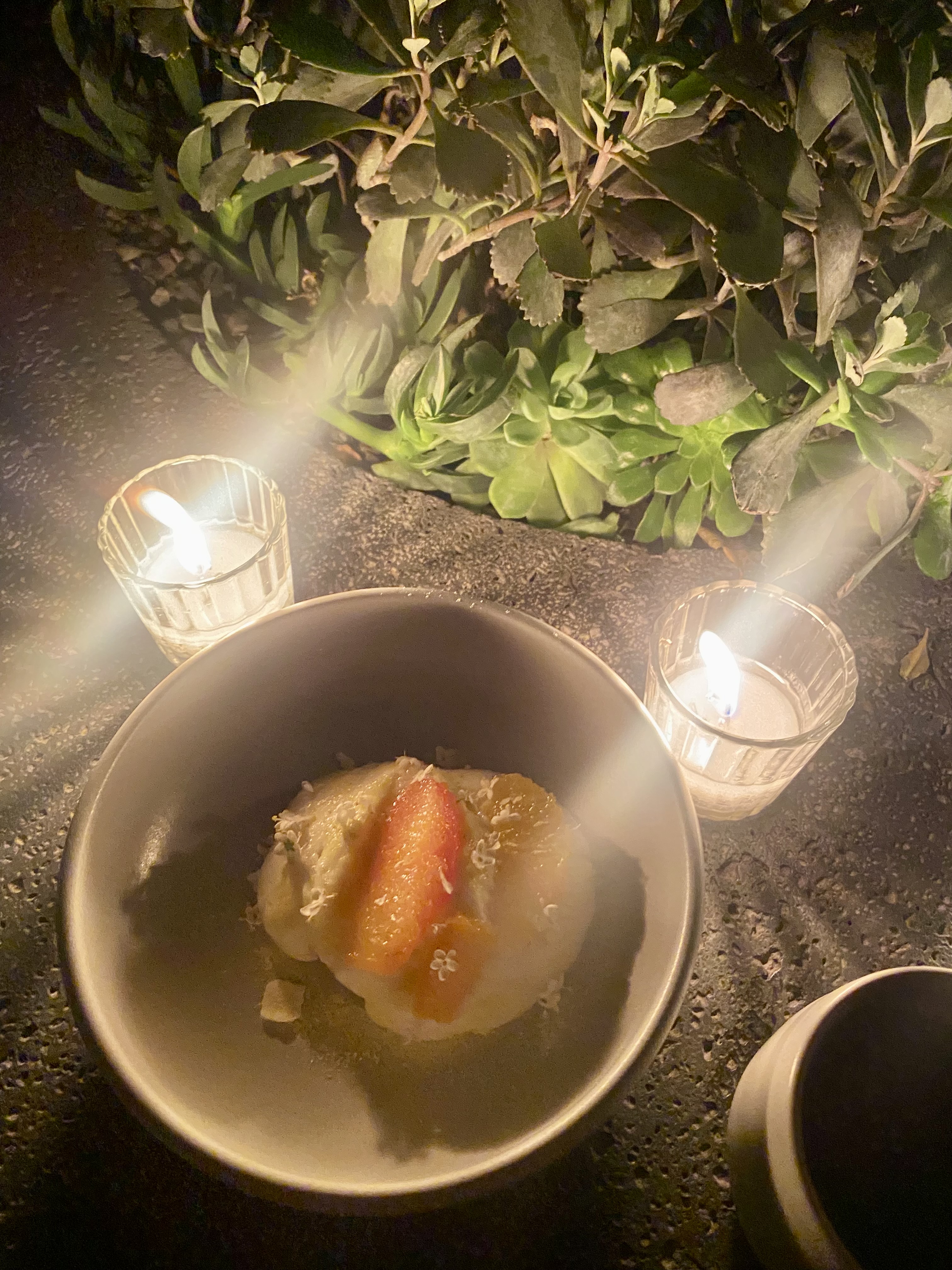
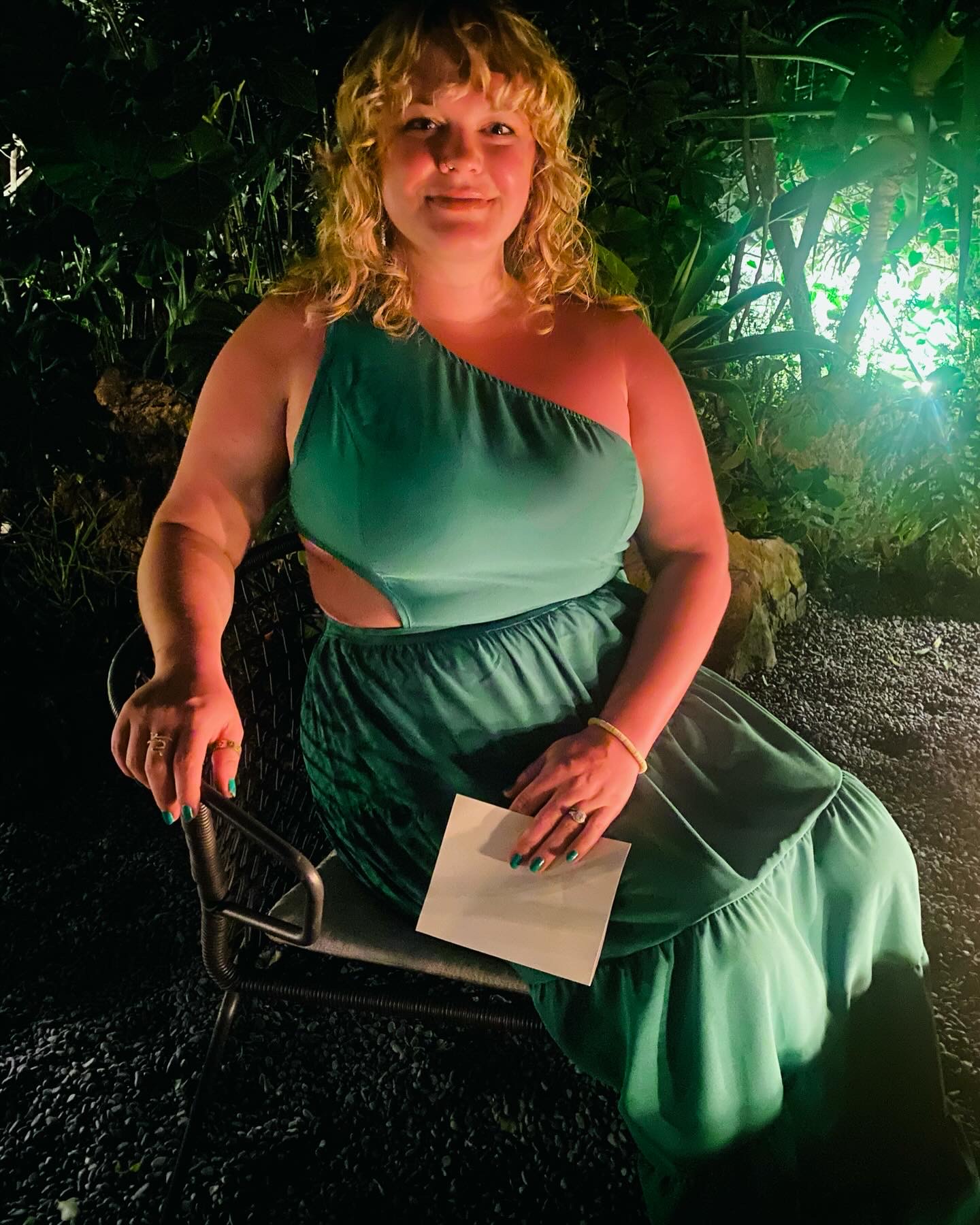
If you can’t get a reservation for Pujol, make a reservation for Blanco Colima in Roma. The prices are a bit more reasonable, the food just as bougie. Blanco Colima’s restaurant is in the courtyard of a refurbished mansion, and creeping plants hang seductively all around the open-air balconies.


If you want something historic, you can try Azul Historico. Another open-air restaurant attractively lit by hanging lanterns overhead. We got the enchiladas; they were pretty good.
But seriously.
The street tacos.
HOW I PACKED
I’ve only been to Mexico City in March, and it was 80 degrees and sunny the whole time. Mexico City is hip and hot, so I would suggest wearing as little clothing as possible and comfortable shoes. Most locals wear jeans, a t-shirt, and sneakers. Like Egypt, you’ll see some people wearing longer sleeves as sun protection. Don’t do that. You’ll probably pass out lol you gringo.

The air is very dry and you’re at an extremely high elevation, so before you pack your cute clothes for your new profile pic, make sure to pack sunscreen. If you’re just planning on chilling out in CDMX, you won’t need as much, but if you’re going to the pyramids of Teotihuacan or the villages of Puebla and Cholula, the sun will cook you like a piece of chorizo.
Also, don’t forget bottled water when you get there. Montezuma’s Revenge is real. Brushing your teeth and showering in the tap water is fine, but don’t gulp it. Just in case, pack some immodium and maybe some altitude sickness medicine. But tbh I have a never-ending supply of tums, imodium, advil, and dramamine in the front pocket of my purse.
Speaking of purses: now is a great time to plug my handy-dandy pickpocket-proof purse. This thing has been all over the world with me; I’m pretty sure I got it specifically because I was afraid of pickpocketing in Mexico City on our first trip. Now, nobody’s pickpocketed me (yet) but that’s because this purse has “don’t try it” written all over it. It’s a cross-body purse with multiple deep pockets and zippers that all lock. It’s made of slash-proof fabric and the main zipper starts under my chest, which I hold onto whenever I’m in a crowded area, especially if it’s a popular site or there are street performers. And this baby is DEEP. Remember that cute little magic purse that Hermoine carries all the stuff in, including like eight books, throughout Harry Potter and the Deathly Hallows? It’s this purse. I can carry a bottle of water, a souvenir or an extra pair of shoes, my sunglasses, my phone, my wallet, my hand sanitizer, my chapstick, my airpods, my chub-rub stick and my Lume lotion for my thiccc thighs in that one purse and still have room.
Packing for this trip with a carry-on suitcase and a suitcase-backpack is doable. Make sure to leave room for souvenirs–seriously, you’re going to hit up those markets and come back with the cutest huaraches, the prettiest pottery, and a sugar skull or two. Or three. Or seven.
 Ramblin' Reba
Leave a comment