
Bob Dylan once said, “There are a lot of places I like, but I like New Orleans better.”
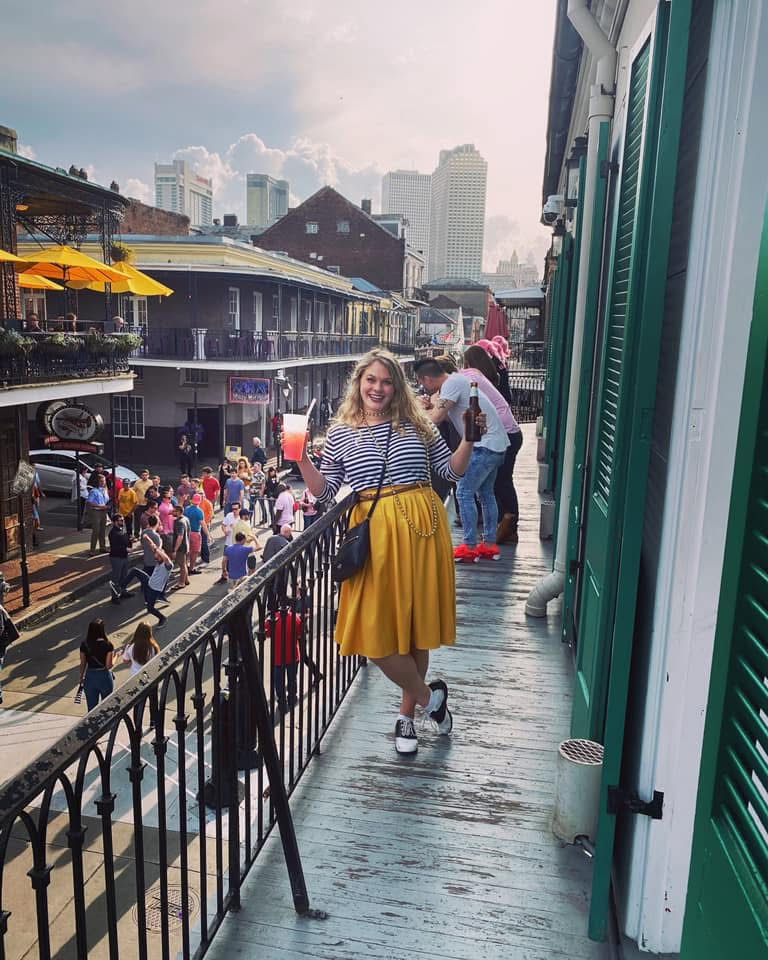


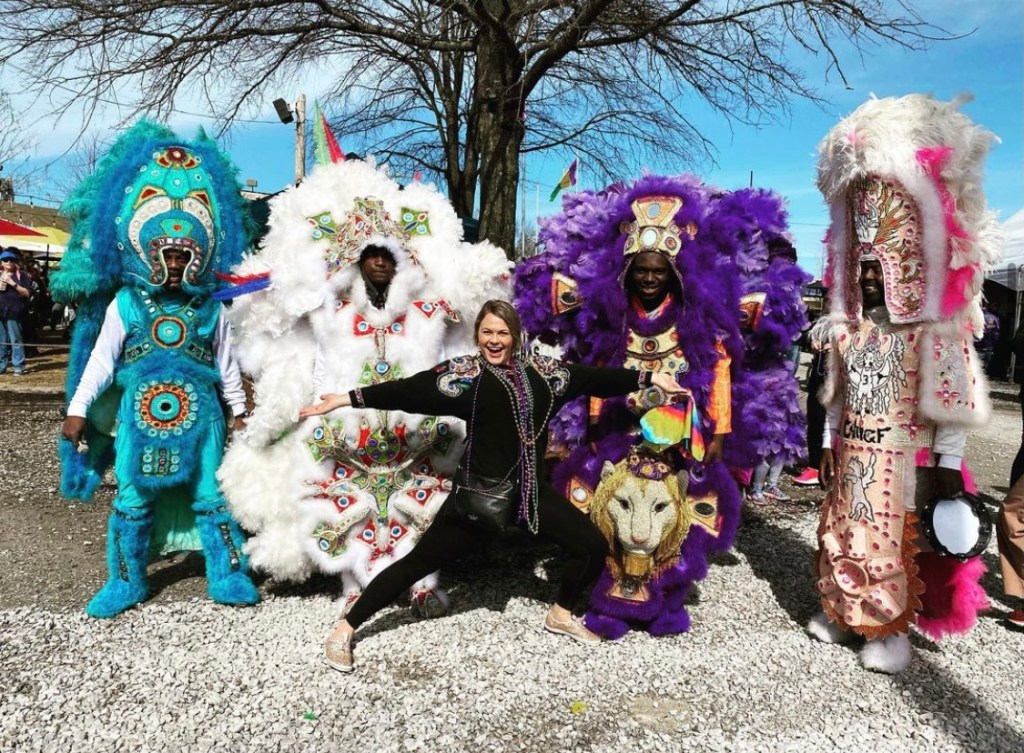
I’ve been all over this country, but far and away my favorite city is New Orleans. I’ve visited New Orleans seven times, far more than any other city in America, and whenever it’s time to leave, I’m already planning my next return trip.
This city can be anything you want it to be: if you’re a history buff, it’s got the greatest legends and mish-mash of history out of any American city, even better than Boston or Philadelphia. If you like museums, New Orleans offers everything from art to World War II to voodoo. If you’re a fan of the macabre, there’s no place quite as haunted as the French Quarter. Music quite literally fills every square inch of space here: it seems to bubble up from underground. And if you’re just coming here to turn up, this city will make you loopy and fizzy, feeling one with all mankind. It’s a little bit gaudy, a little bit stinky, and totally enchanting. Once you come here, you’ll never quite get over the itch to come back.
WHERE TO STAY
Before we dig into what to do (and, more importantly, where to eat) in Crescent City, it’s important to discuss the geography of the city and the boundaries in which you should confine yourself.
So everybody knows that Louisiana is shaped like a boot. There’s a hole in the toe of the boot (this is an old shoe), and that hole is Lake Pontchartrain. Below Lake Pontchartrain is the croissant-shaped city of New Orleans, and below that, the land of Louisiana dissolves from swamp into bayou, and from bayou to the Gulf of Mexico. (A swamp is a wet forest with standing water—you’ll see a lot of swampland before you cross Lake Pontchartrain. A bayou is like a slow-moving river with a lot of grass and vegetation growing out of it.) The Mississippi River starts at the very tip of the boot of Louisiana, winds its way through the bayou, and slices the city of New Orleans in half.


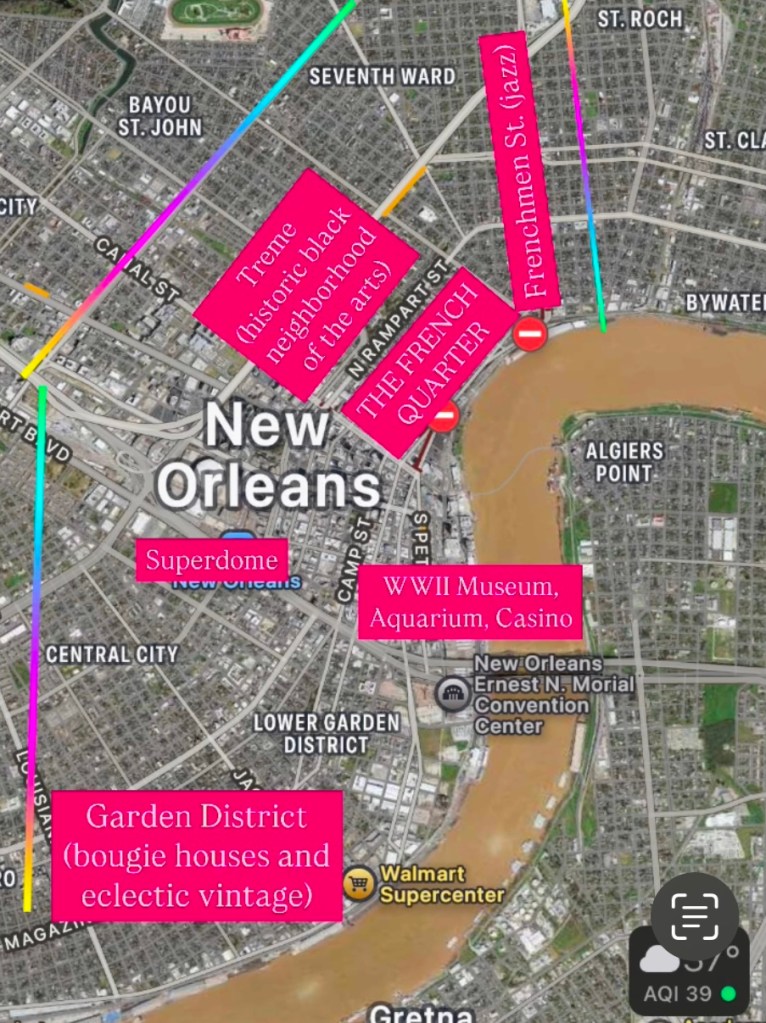
You do not need to see the entire city of New Orleans.
Seriously, if someone tells you “No, you need to explore every part of it to get a feel for the city! Go to the Seventh Ward!”, they’re a doofus. The parts of the city that you—a tourist with a long weekend—need to see are The French Quarter, Tremé, the Garden District, and Frenchmen Street. If you have more time, you could see City Park, Bayou St. John, and Algiers Point, but on your first visit to New Orleans, I wouldn’t venture beyond this area, because there’s so much to do within this walkable space.
That being said, PLEASE, PLEASE, PLEASE take my advice and stay in the French Quarter. If you’ve never been to New Orleans, you might be considering getting a more budget-friendly hotel in Metairie (ugh) or even the Business District. You might be like “I don’t want to stay in the French Quarter because I’m afraid of crime,” but the opposite is actually true. If you stay outside of the French Quarter or even Tremé, you’re going to be taking expensive Ubers or (God forbid) driving and trying to find parking every day. Parking is a nightmare in New Orleans. The most urgent advice I can possibly give you is to find a good hotel with included parking within the Quarter, hunker down and prepare to leave your car parked and locked tight with no valuables inside within the hotel’s offered parking, and walk everywhere. If you’re keeping to the boundary I drew, walking everywhere should be easy, because it’s a relatively small area (one square mile) that is very pedestrian-friendly.
If you want to venture outside of the French Quarter to other neighborhoods/wards, you can take an Uber—or the slower, more cost-effective choice, a streetcar—then head back to the Quarter, where all the fun restaurants and nightlife await you. And, believe it or not, there are many places within the French Quarter to stay that are quiet and safe.
I have three places I can recommend within the Quarter and Tremé that are quiet, good-quality, and not too expensive.
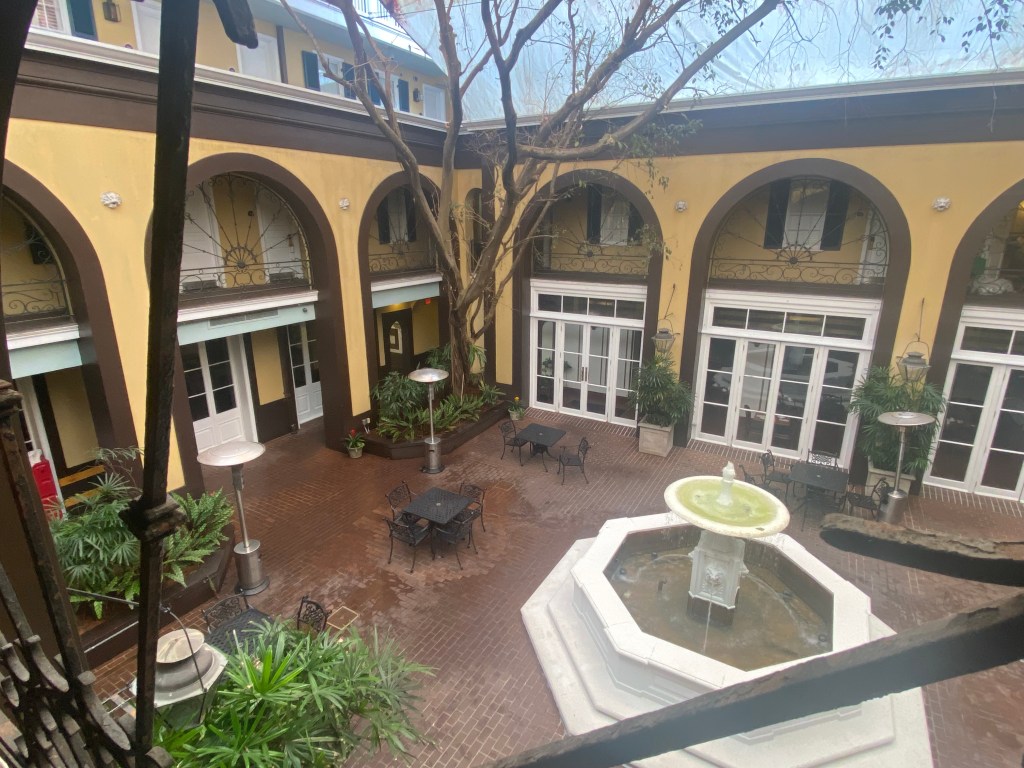
Hotel Mazarin is my top choice—it’s a really beautiful, historic hotel that’s a block away from Bourbon Street, but strangely quiet. I mean, you can’t hear any of the hullabaloo a block away. The parking was also the best.
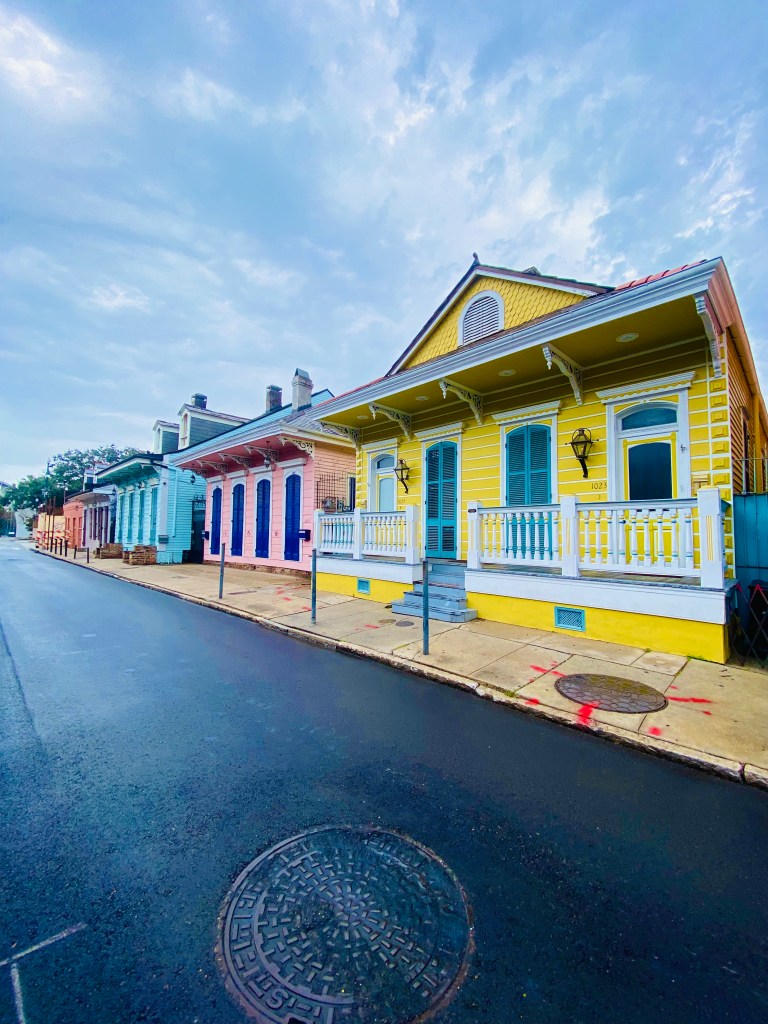
Inn on Ursulines is my second choice. You’re staying near the quieter end off Bourbon Street, and you’ll be staying in one of the cute, cottage-like bungalows with your own stoop. Only downside is the walls can be a little thin. We heard a drunken couple’s break-up brawl next door, but Alex and I enjoyed it. It was like living in our own little Tennessee Williams play!
If you want to stay somewhere quiet and are willing to walk across Rampart Street, you can always stay here in the back end of the French Quarter in Tremé. This AirBnB was certainly quiet and felt more local.

The final piece of advice I have to give on booking your hotel is to plan on visiting in the winter. I’ve been to New Orleans during Memorial Day weekend for my bachelorette, many times during New Year’s Eve for the Sugar Bowl, and (my preference) several times during MLK weekend. I quite like the heat and humidity, it’s one of the reasons I decided to move to the South (who needs a skincare regimen when you live in nature’s steam room?), but many people don’t. The crowds on MLK weekend will be at an all-time low compared to other holiday weekends, the humidity will be down, and the cooler weather deters many grifters, panhandlers, and pickpockets. Also, you won’t see any roaches or rats. Plus, staying on MLK weekend means you get to eat King Cake!
Speaking of which…
WHAT AND WHERE TO EAT
New Orleans is the greatest culinary city in America (I said what I said), and my greatest advice to you is to plan your trip around your meals. New Orleans is home to many historic restaurants that are the originators of some American gastronomic staples.
It’s going to be tempting to say “oh, let’s just walk around, and when we get hungry, we’ll just duck into any restaurant” but PLEASE don’t do that. Just like in Paris, there are a lot of winning restaurants, but if you don’t do your research, you can easily fall into some losers. Seriously: you don’t want to be like the family of five from Ohio, crowded around a dirty table at the food court in front of Decatur Street, eating a tiny bowl of crusty $28.99 jambalaya that’s been baking under a hot lamp for eight hours. Gross. Chump move. Rookie mistake.
Another rookie mistake is listening to that doofus from earlier who told you to go to the 7th ward to get THE best hot wings in the city from a place called What U NO ‘Bout Dem Hot Wangz N Thangz. Look, those hot wings are in fact the best wings in America, no doubt about it. But that place is for the locals, who will treat you with courtesy, but it’s going to be in a kind of shady part of town, and while you’ll feel euphoria eating in the moment, you’ll feel a little scared waiting for your Uber on the way back. I’m not saying to not go to What U NO ‘Bout Dem Hot Wangz N Thangz, I’m saying to try the historic places first, because they’re closer to you and they’re really, REALLY good.
In 1700, New Orleans was a French colony. In 1763, it was given to Spain, but by 1800 it had been ceded back to France, and in 1803, Napoleon Bonaparte sold it to the United States in the Louisiana Purchase. With that little history lesson under our belts, there’s two types of food that dominate New Orleans cuisine: Creole and Cajun. The Cajun people of Louisiana are descendants of French-Canadian (Quebecois) fur trappers who migrated down here to live in the swampy part of Louisiana. Most real-deal Cajuns can be found near Lafayette, NOT New Orleans. Creoles are descendants of the Spanish, French, Native American, and African peoples who lived in Louisiana (particularly New Orleans) during the 1700s, when Louisiana belonged to three different empires. Beyoncé is Creole!
So when you’re tasting these New Orleans food staples, you might be thinking “Hey, this jambalaya reminds me of cassava fish stew and rice from Liberia, but it also reminds me of Paella from Spain” or “Hey, this duck gumbo reminds me of duck confit in France”, that’s because it’s like the great-great-granddaughter of those European and African meals.
But there’s plenty of dishes that were invented right in the heart of New Orleans, particularly during one of its Golden Ages: the late 1800s, the 1920s, and post-war 1940s.
MUST-TRY HISTORIC NEW ORLEANS FOODS
Po’Boys – Park Street Bakery, Johnny’s, or Verti Marte.
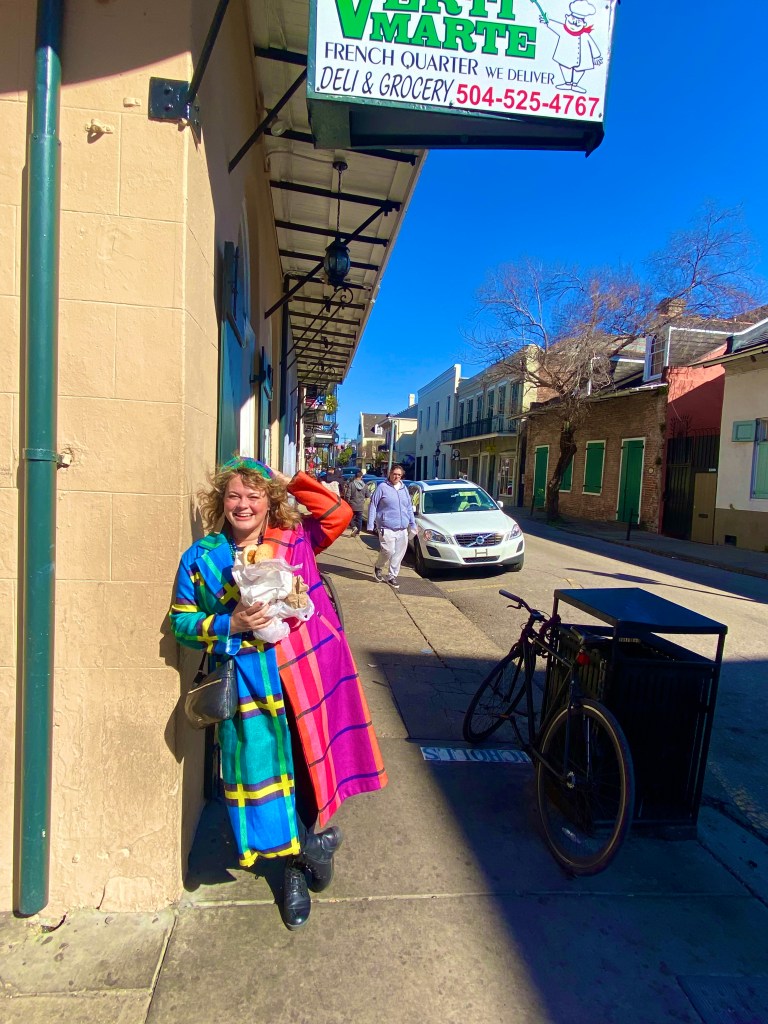
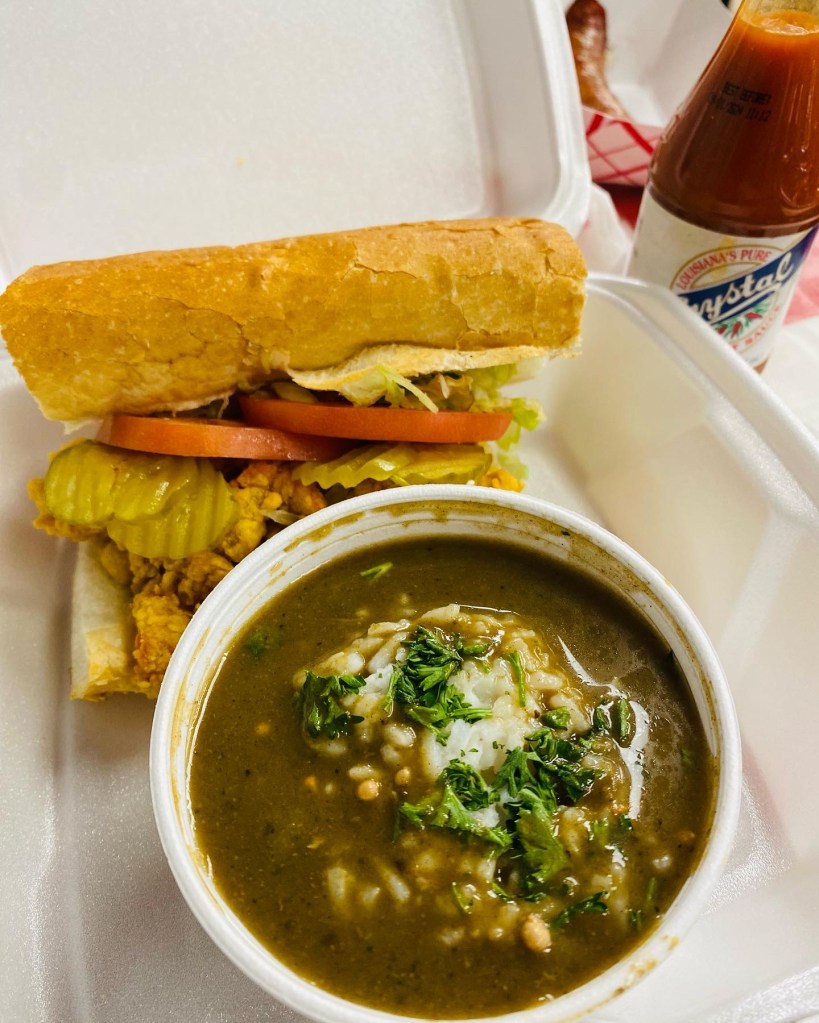

The Martin Brothers Restaurant (closed in 1972, off of Lake Pontchartrain) originated New Orleans’ iconic sandwich during a streetcar conductor strike in 1929. The Martin Brothers used to be streetcar drivers, so during the strike, they said “we will feed our poor boys” like we’re going to look after our homies. “Poor Boys” morphed into “Po’boys”. A po’boy consists of whatever meat you can shove into a loaf of French bread. If a po’boy is “dressed”, that means it comes with chopped lettuce pickles, tomato, and remoulade sauce. Just like most of New Orleans’ historic sandwiches, the original po’boy didn’t feature fried seafood, it was more of a sloppy roast beef or Italian sandwich. Martin Brothers Restaurant closed in 1972, but there are plenty of other po’boy places in the Quarter that pack a powerful sub. I would recommend Verti Marte, Johnny’s, or Domilise’s. You can also try Parkway Bakery if you’re willing to travel past Tremé up into the Bayou St. John neighborhood, but make sure to get it sloppy-gravy-roast-beef style.
Muffuletta – Napoleon House

The muffuletta—a gigantic mushroom-shaped Italian sandwich consisting of salami, ham, mortadella, provolone, and olive salad—was invented by Italian immigrant Salvatore Lupo at Central Grocery Co. on Decatur Street on the edge of the French Quarter. I dare you to get through a quarter (hehe) of this sandwich. Rather than going to Central Grocery, try a muffuletta at Napoleon House, one of the city’s oldest buildings (second? third?) that was built for Napoleon during his exile from France. Get a quarter slice of muffuletta sandwich with red beans and rice and jambalaya, and make sure to order a Pimm’s cup: Napoleon house is the first American restaurant that served this iconic British refresher.
Gumbo – Dookie Chase’s
If you’ve seen The Princess and the Frog, the character of Tiana was inspired by Leah Chase, the Queen of Creole Cuisine. And Dooky Chase’s Restaurant is the inspiration for Tiana’s Place/Palace. Like Antoine’s and Brennan’s, Dooky Chase’s is multigenerational family-owned restaurant that only grows more powerful and delicious with every new generation that takes the wheel.
Now, as a lover, maker, and purveyor of gumbo, I need to tell you that every restaurant in New Orleans has its own unique recipe. First you’re gonna start with a roux–a paste of flour and fat that’s been cooked down to a chocolate-fudgy color and consistency—then you add broth, holy trinity mix (celery, onions, peppers), a mess of seasoning, and whatever meat you want. And in New Orleans, where the swamp and the bayou are chockablock full of game, gumbo can vary depending on what you’re able to catch in season. Stereotypical gumbo calls for chicken, andouille sausage, and shrimp, but in New Orleans you can find rabbit, duck, alligator, crab, and crawfish in gumbo as well.
But to be real, order anything you want from Dooky Chase’s. Just be careful to make a reservation on the right day: they have weird opening hours.
Oysters Rockefeller – Antoine’s
Okay, I don’t care if you don’t like oysters, I’m only starting with this one because I need to mention Antoine’s. This is the oldest family-run restaurant in America, and it’s part of the Big 5 Historic Fine-Dining Restaurants of New Orleans: Antoine’s, Commander’s Palace, Tujague’s, Galatoires, and Arnaud’s. (Also Dooky Chase’s, also Brennan’s, also Broussards. Alright, maybe it’s more like Big 10.)
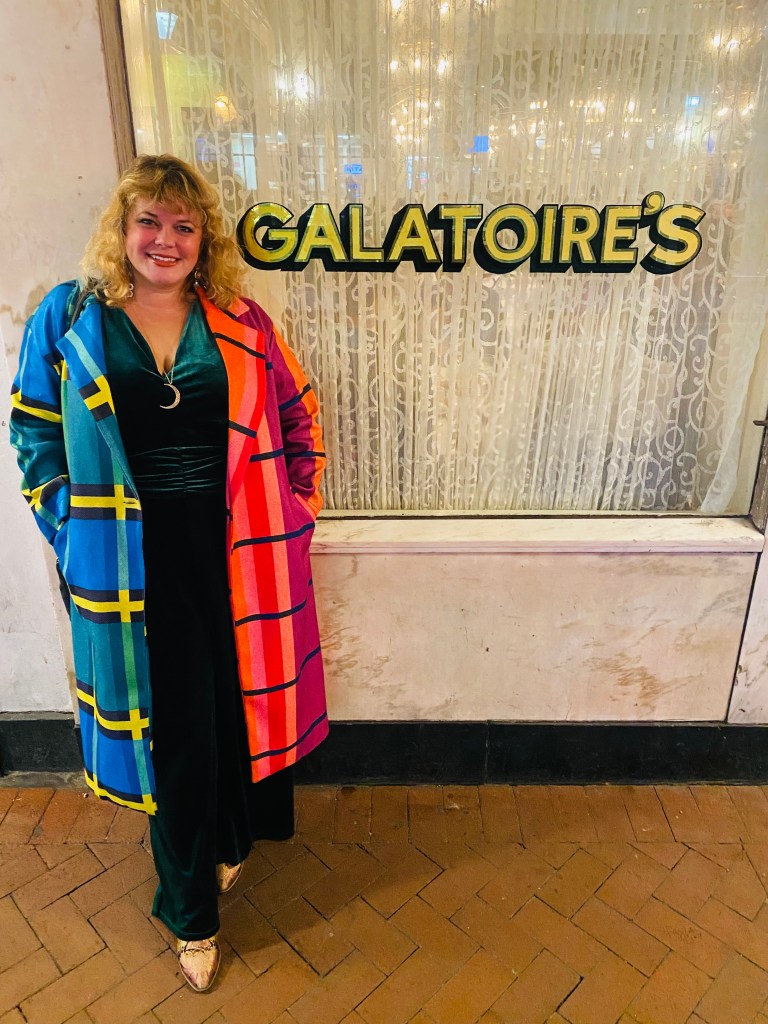

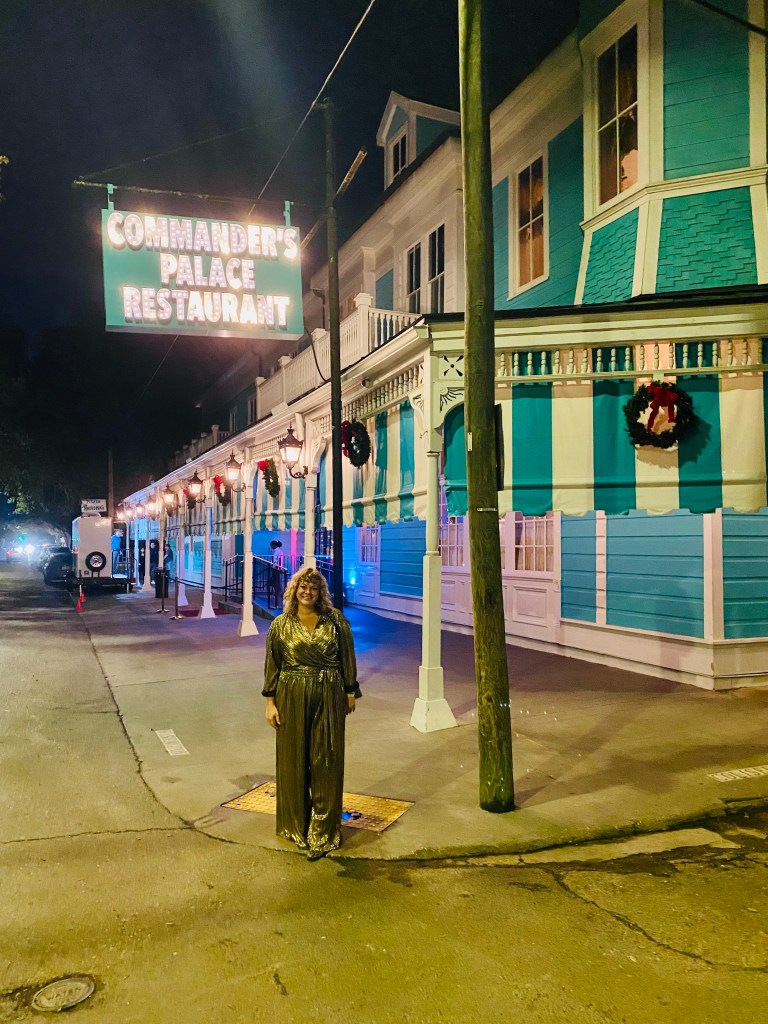
Each time you stay in New Orleans, if you can afford it, pick one of these restaurants and have a nice meal. You’re going to get French classics as well as high-end Creole cuisine. Antoine’s is the oldest, so I would go there first. Although do yourself a favor: don’t make a reservation on a Saturday. If you’re following my advice and going in the winter, you’re going to be swamped with little bratty fratty sratty children in town for their Greek formal. Antoine’s is home to Oysters Rockefeller. The son of Antoine Alciatore, the 1840 founder, invented the dish and apparently took the real recipe to his grave. And Antoine’s still has a closely-guarded secret ingredient in the recipe that makes it unique to any other version of the dish in America. You should also try Baked Alaska, a flaming meringue-and-ice-cream dessert which was also invented at the restaurant, but make sure to order it while you’re ordering entrees because it takes half an hour to prepare.
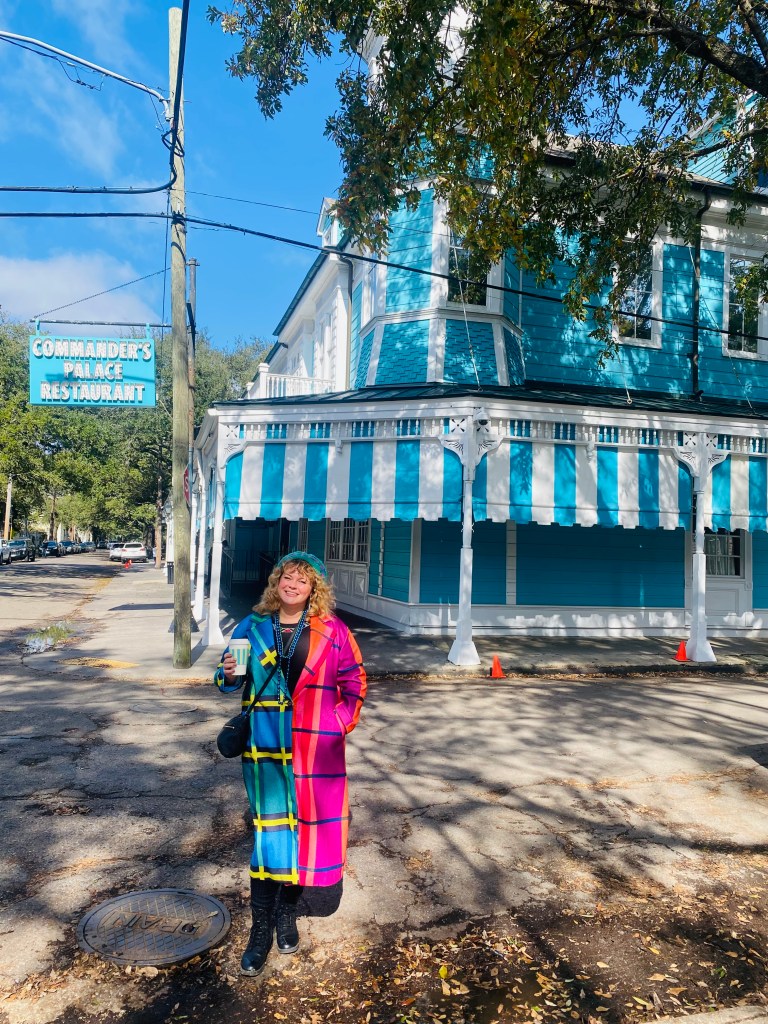
Frankly, though, I would go to Commander’s Palace over Antoine’s. It’s the only restaurant on this list of recommendations that’s outside of the French Quarter, and it’s well-worth the excursion. It’s a gorgeous building accentuated by coastal blue-and-white stripes, and the food is just wonderful. If you’re going to New Orleans for New Year’s Eve, be sure to make reservations for their famous Réveillon dinner. It’s pricey, but worth it.
Tujague’s – Barbecue Shrimp

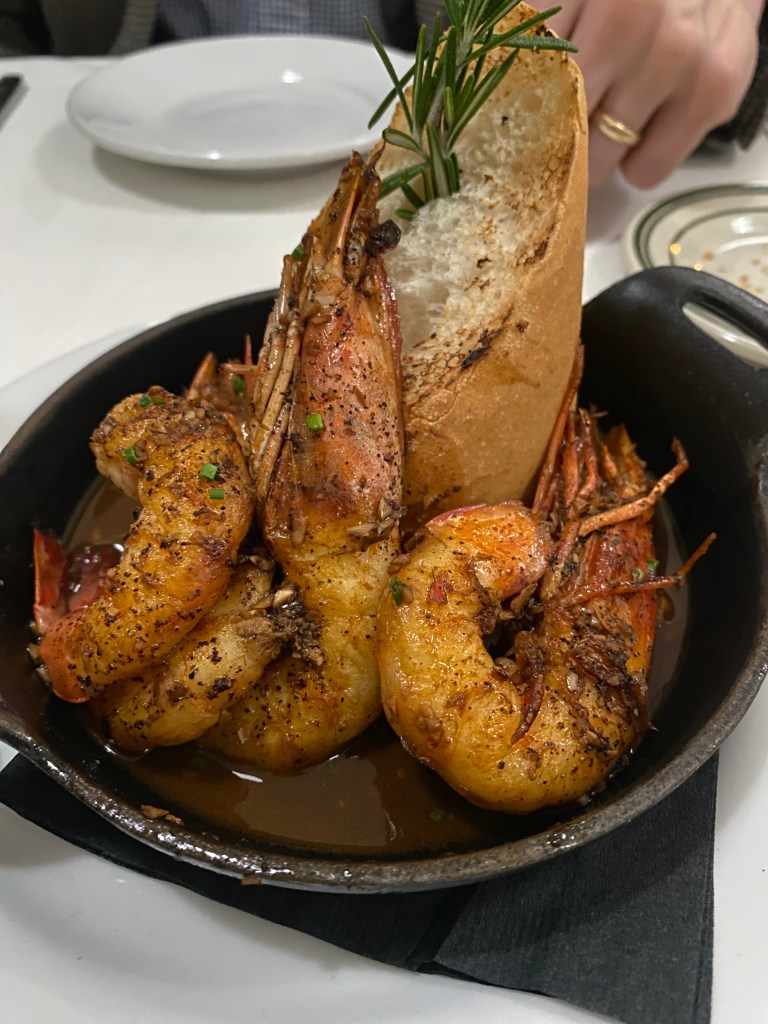
Just like gumbo at Dooky Chase’s, you can order barbecue shrimp at any of the Big 5 (10?) Restaurants and be happy as a clam. Tujague’s is another old-fashioned dining-room-style restaurant with great service. Don’t pass up the barbecue shrimp, which isn’t shrimp barbecued on a grill. New Orleans-style barbecue shrimp features head-on shrimp that have been sauteed with lemon and Worcestershire sauce, then the sauce is emulsified with a sinful amount of butter. I don’t know why they call it barbecue if a grill isn’t involved; I only know you need to order it and mop up every bit of that sauce with the French bread provided.
Bananas Foster – Brennan’s

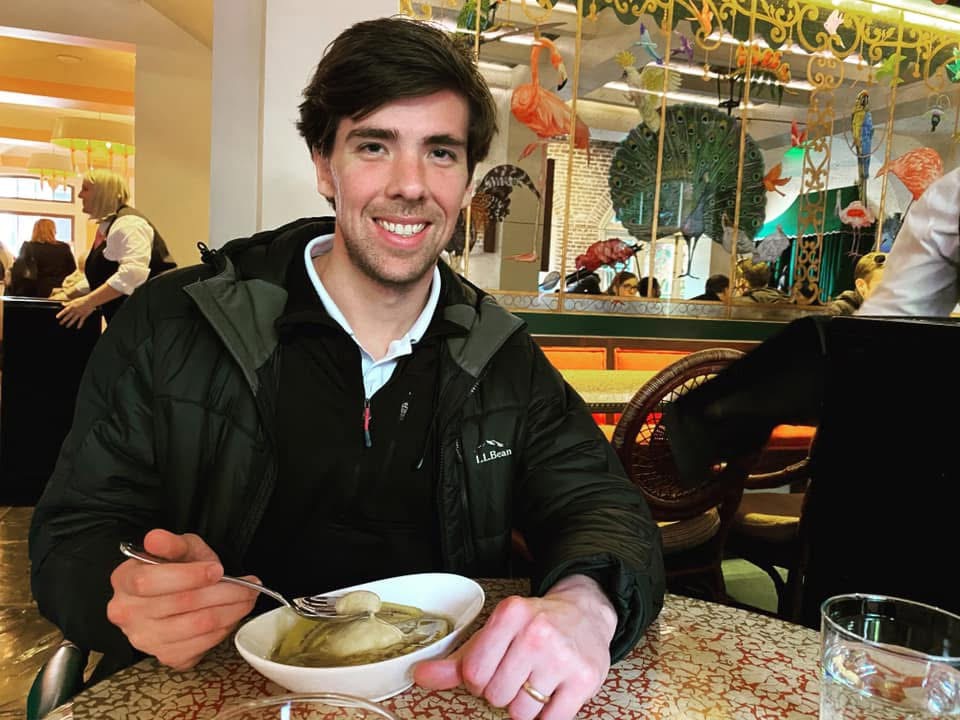
Just like Antoine’s invented Oysters Rockefeller, Brennan’s invented Bananas Foster. The backstory isn’t all that interesting: the dessert was invented in the 40s because the chief of police was retiring and the Brennan family had an excess of bananas. But you should order it because it’s 1) delicious, 2) historic, and 3) flambéed tableside. And the dining room is beautiful: lots of old-Hollywood-style painted silk wallpaper. You really feel like you’re stepping back into a more elegant time in this restaurant; I definitely think it’s the prettiest of the Big 5, with a sherbet-pink exterior. Brennan’s is also interesting because of the Brennan family: they’re like the culinary royal family of the French Quarter. The Brennan family owns 22 restaurants in New Orleans alone, including Commander’s Palace and Napoleon House.
Oysters – Acme vs. Felix’s, Red Fish Grill vs. Bourbon House
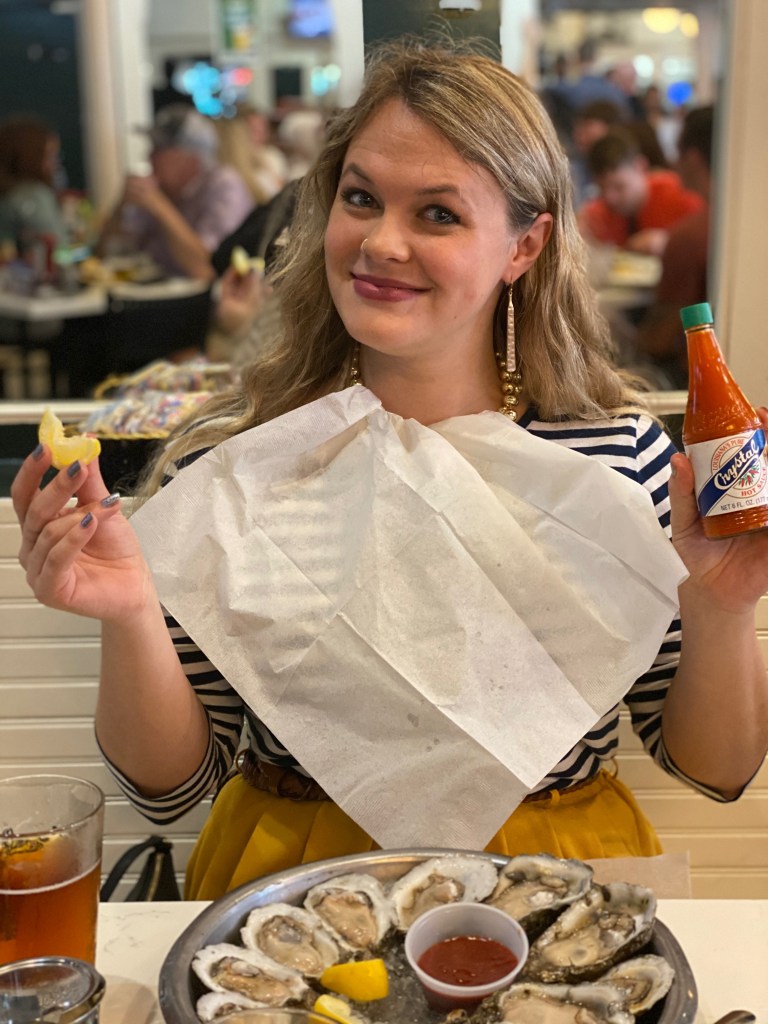
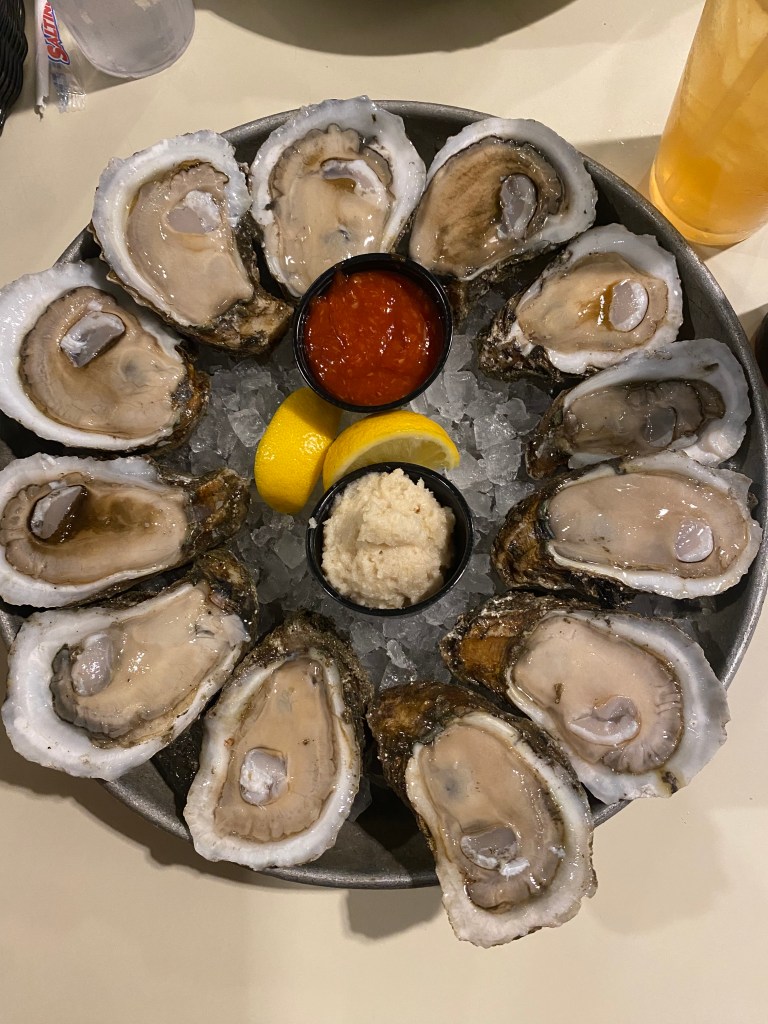
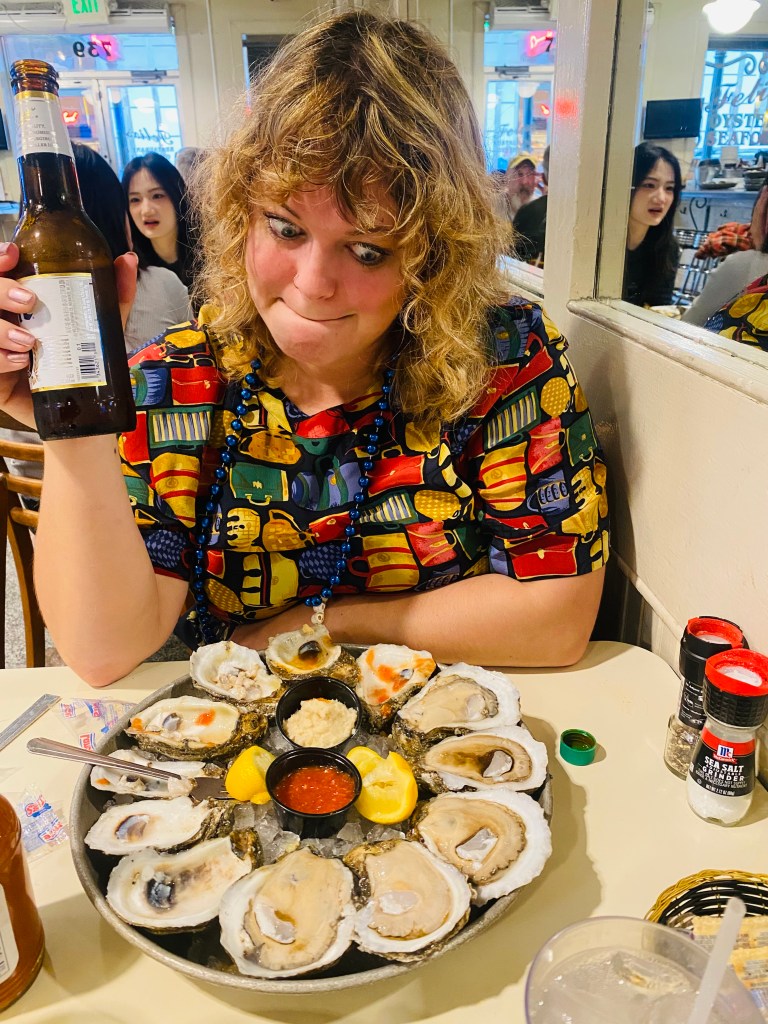

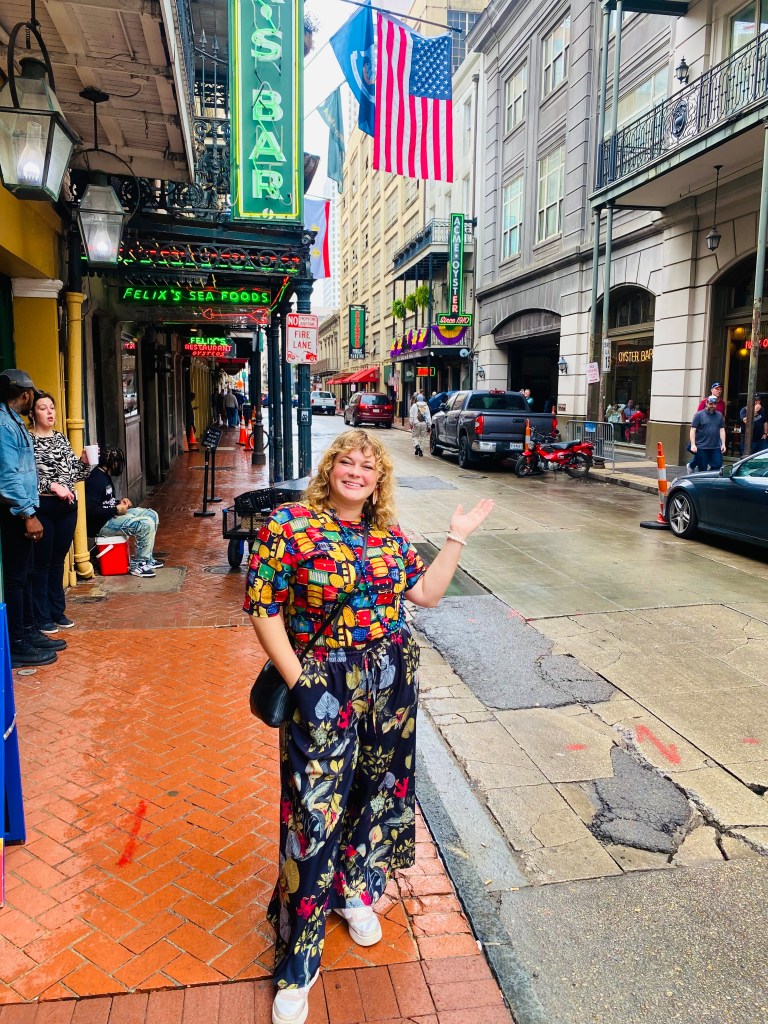
Speaking of the Brennans, two Brennan brothers are across-the-street competitors in Oyster Quarter, the crossway of Bourbon St. and Iberville St., where four stand-up oyster bars are located within one block: Acme Oyster House, Felix’s, Red Fish Grill and Bourbon House. Acme and Felix’s are the oldest oyster houses in New Orleans, and I would recommend Acme out of all four. The oysters at Felix’s are absolute monsters, but the service at Acme is better and you’ll get in faster.
Jambalaya – Coop’s Place
Frankly, my favorite place to eat jambalaya is at the Superdome. There’s this one stand that makes absolutely out-of-this-world jambalaya, I mean it’s weirdly good, but if you’re not in town for an event at the Superdome, don’t go out of your way to get it. Instead, you could try Coop’s Place on your way to Frenchmen St. It’s on Decatur St., so it’s a bit touristy, but I think it has better jambalaya than most of the other places on Decatur. Jambalaya is a Cajun dish, so I don’t think the recipes are as highly-guarded and masterfully-tinkered as Creole gumbo in New Orleans.
Beignets – Cafe Du Monde


Alright.
It’s time to get real.
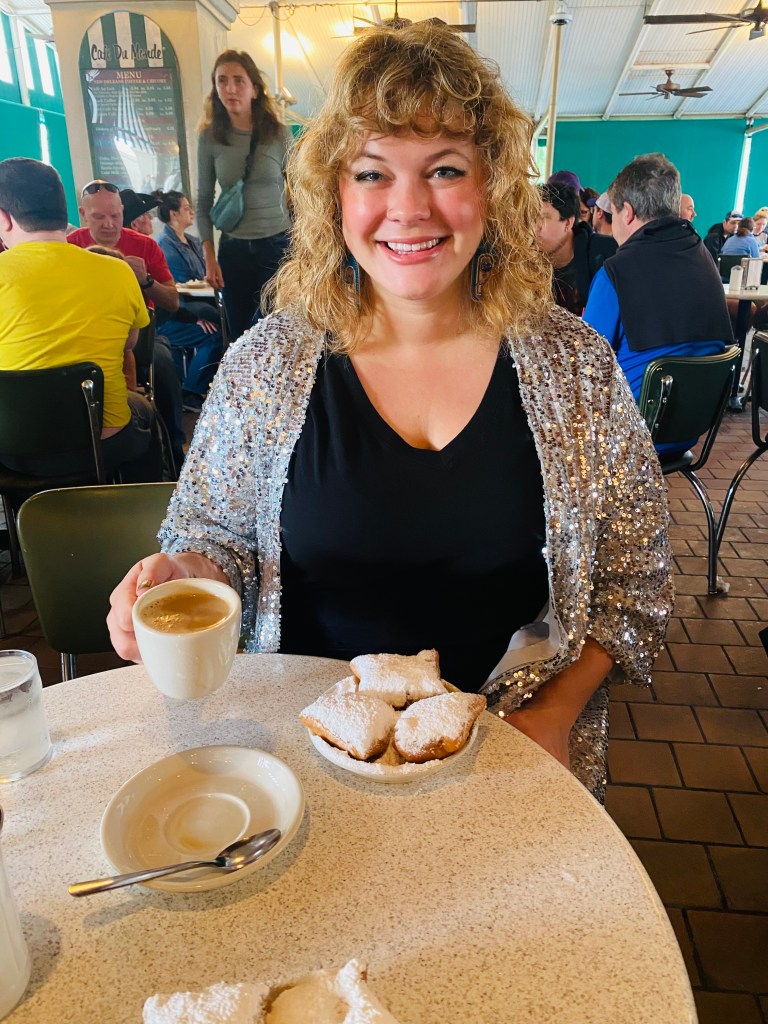
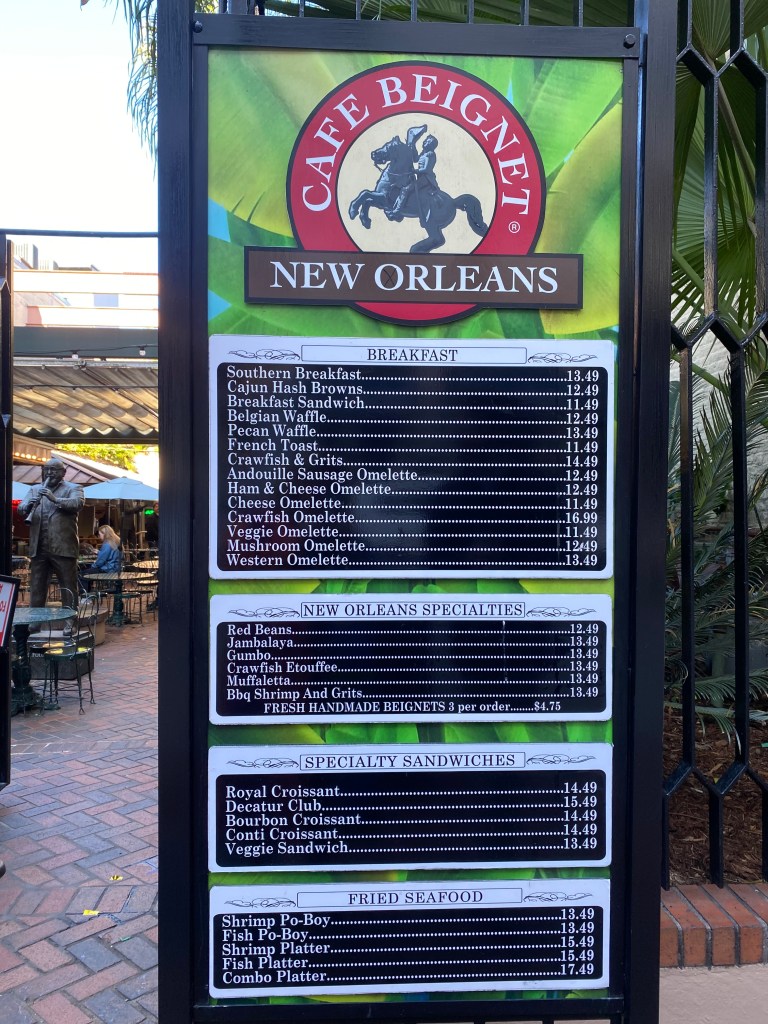
Someone is going to tell you that you should get beignets—the highly-addictive pillow-like square donuts covered with a pile of powdered sugar—at Cafe Beignet on Bourbon Street or on Royal. They will tell you that the ambience is better, it’s quieter, and the beignets are bigger. Do not trust this person. The beignets suck compared to Cafe Du Monde.


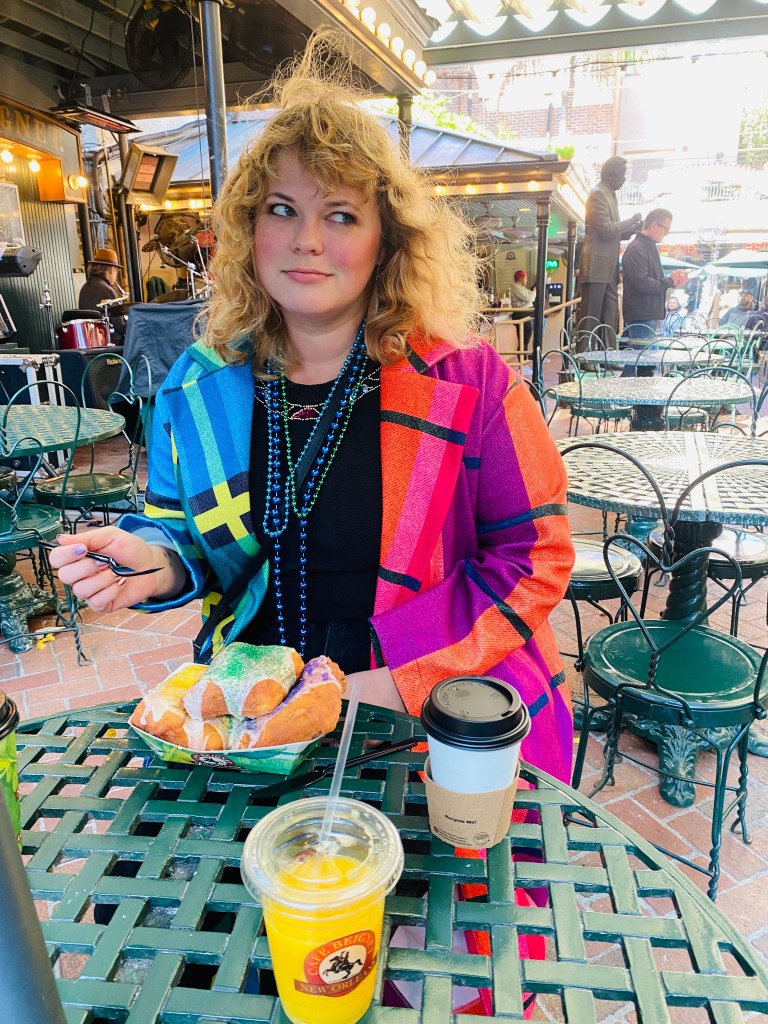
Cafe Du Monde is the hallmark of Rule #3 to Traveling Well: Some Touristy Places are Famous for a Reason and You Should Go to Them. There’s a line out the door to this New Orleans mainstay for a reason. But don’t be intimidated: the line moves fast (it’s a cash-only restaurant). Order some beignets (three per order, do not be so foolish as to think you can split an order with someone, that’s how wars are started) and a cafe au lait and listen to jazz bands holler out “Oh When the Saints Go Marching In” as you take in the beauty of Jackson Square. Take my advice and don’t even think about going to another breakfast place (not even Ruby Slipper Cafe, not even Stanley, although both are delicious). You can get eggs and pancakes at your local diner back home. Save your food space for lunch and dinner at all of these other restaurants, and satiate yourself with an order of beignets from Cafe Du Monde before you hit the town. Better still, eat beignets in the morning for breakfast AND for an after-dinner treat, because the cafe is open until midnight and blissfully peaceful in the dark.
King Cake – Dong Phuong
If you are following my very good advice and staying during MLK weekend, you should be in town for king cake season. King cake is served during Carnivale—January 6th to Mardi Gras, aka 12 days after Christmas (when Catholics believed the Three Kings/Wise Men visited Jesus, which is where we get 12 Days of Christmas) to the day before Lent (when Catholics fast for 40 days before Easter). Since Lent always begins on Ash Wednesday, Mardi Gras is called Fat Tuesday in French. So you can get king cake (named for the three kings) from January 6th to mid-February/early March.
There are a lot of historic bakeries that have been serving this ring-shaped cinnamon roll cake longer than Dong Phuong, but Dong Phuong’s bakery is like… on another level. I’ll admit, the other king cakes I’ve had in New Orleans are a bit like biting into a dry croissant with cinnamon glaze in the middle and crunchy sprinkles on top. But Dong Phuong’s has a nice pull, perfectly soft, more like biting into a yeast roll at a steakhouse with cinnamon butter. I would recommend getting the cream cheese king cake; the icing is superior.
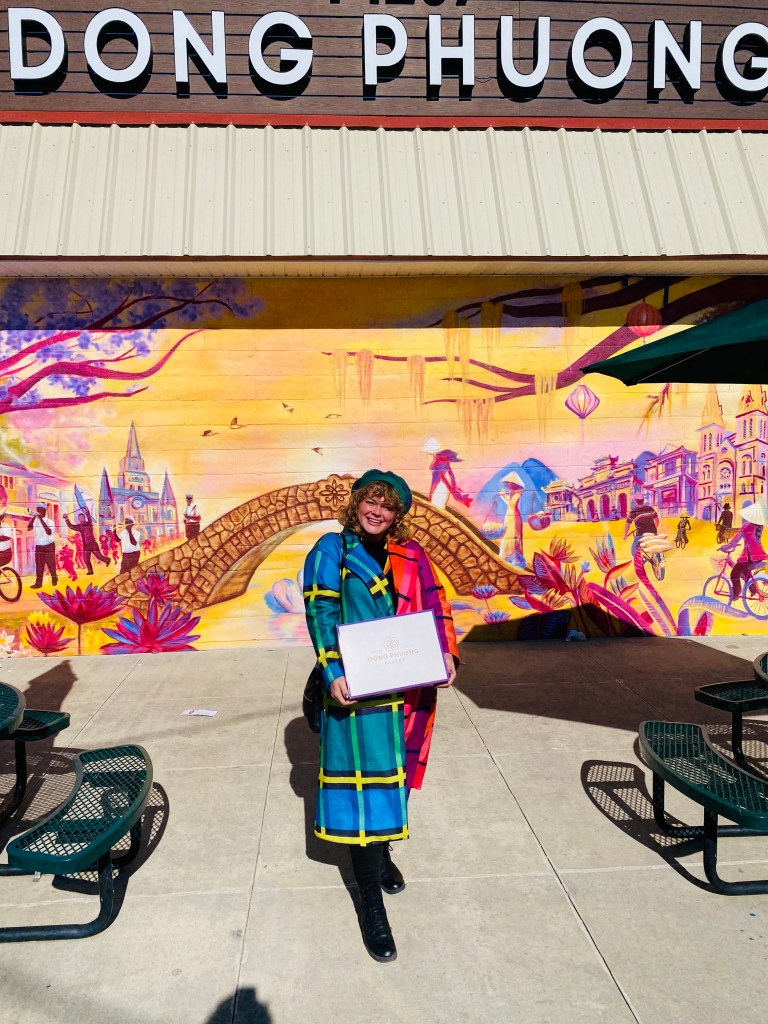
Dong Phuong’s is in Little Vietnam, which is right off of Lake Pontchartrain. Many Vietnamese people immigrated to New Orleans in the 70s and became a valuable part of the area’s shrimping/fishing industry on the lake, so Dong Phuong’s will be right on your way out, close to I-10 if you’re driving. I would recommend going to Dong Phuong’s and getting a king cake to go on your drive back… if you can avoid the temptation to eat it along the way.
If you’re checking out late, don’t miss the opportunity to also try their famous banh mi sandwiches within the bakery!
HONORABLE MENTIONS:
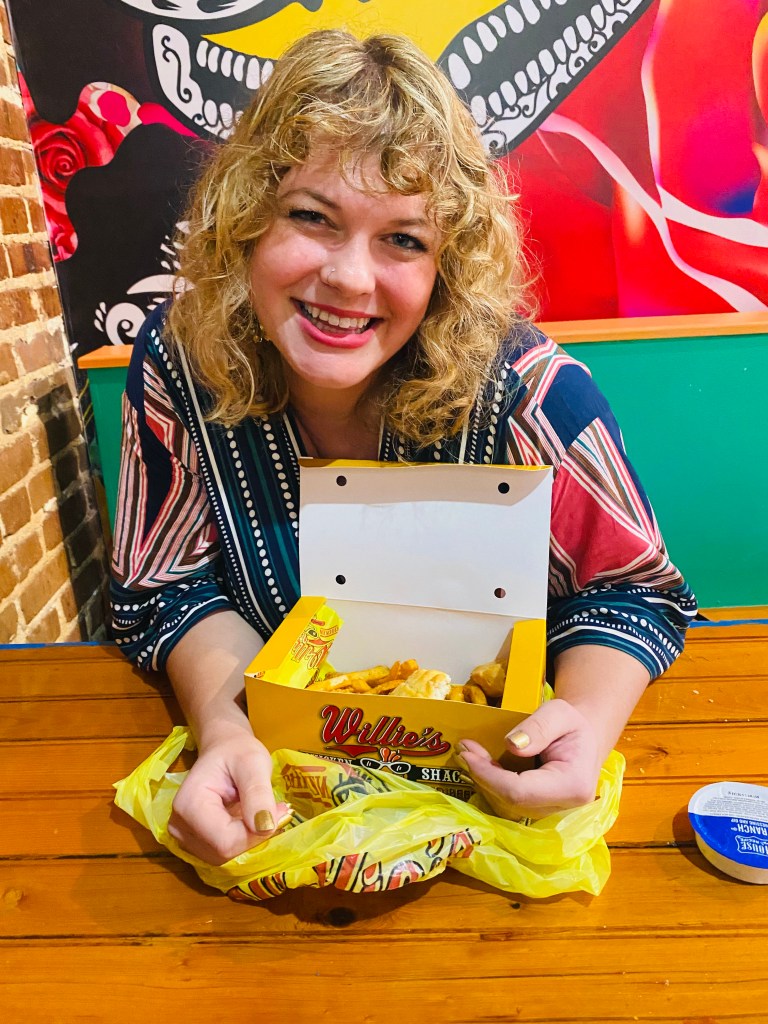
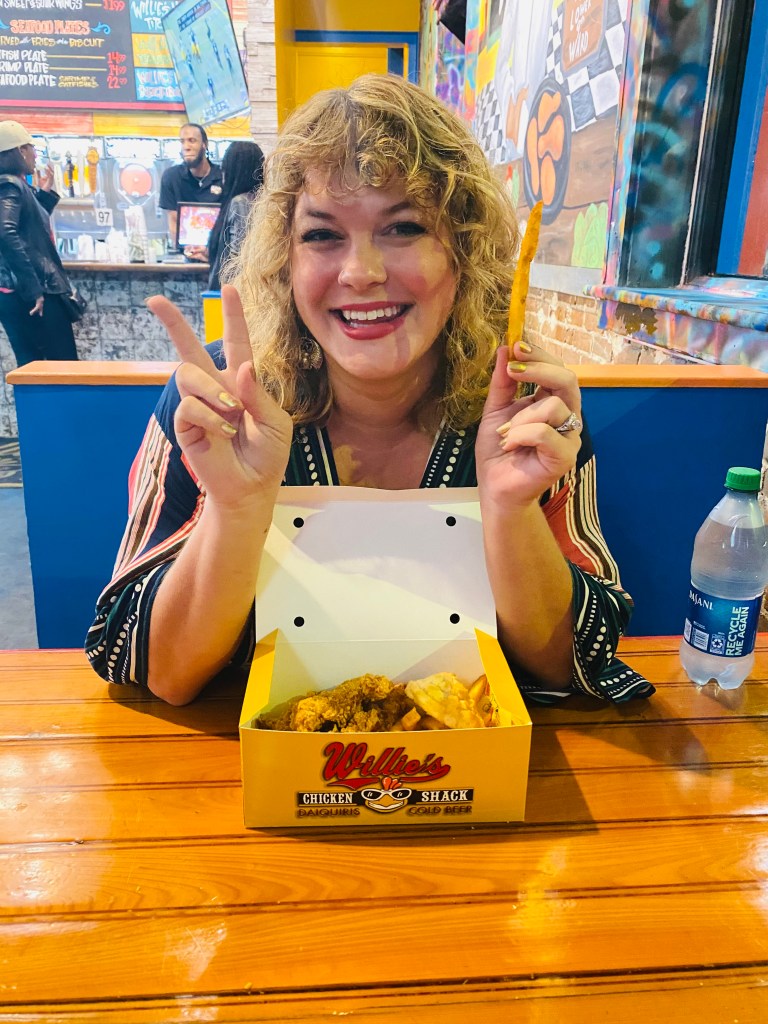
When you’re spending the evening on Frenchmen Street, make sure to pick up a box of tenders and fries at Willie’s Chicken. Hands-down one of the best chicken tenders/fries/biscuits I’ve ever had in my life. Seriously, I had to go back when I had sobered up just to make SURE what I was tasting was real. They’ve also put in several Willie’s Chicken joints on Bourbon, but I can’t vouch for those. The one on Frenchmen is perfect for late-night drunk food after an evening of jazz.
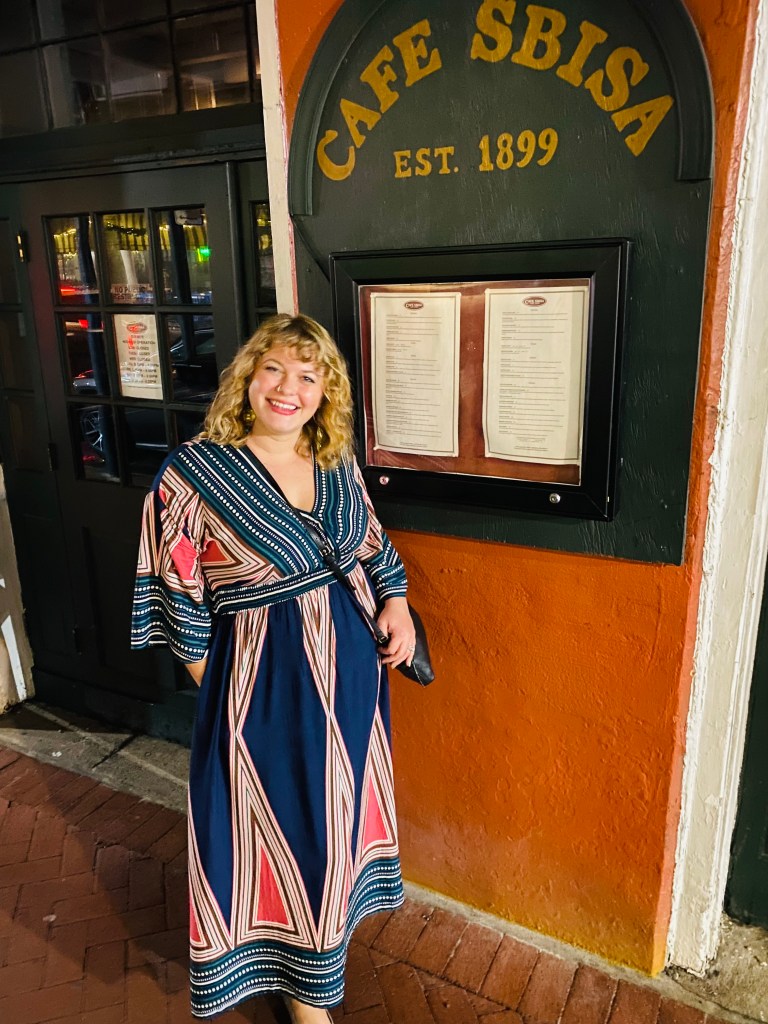
You should also check out Cafe Sbisa, which is close by Frenchmen Street on Decatur. It used to be a bordello from 1820–1899, when the Sbisa family bought it and turned it into a cafe. It has an old-world elegance, sometimes there’s tango or jazz on the dance floor, and the Creole cuisine is top-notch. Plus it’s haunted by the ghost of a prostitute!

I should also mention The Court of the Two Sisters. If you’re craving brunch (maybe you’re on a bachelorette trip and your party doesn’t want to eat beignets every day, the poor fools), make reservations for their Jazz Brunch.
HISTORIC DRINKS
Jean and Pierre Lafitte were pirate brothers who helped defend the city during The Battle of New Orleans, then later became spies in the Mexican War of Independence. (Seriously, their story is so cool. I can’t believe a movie hasn’t been made about them!) Jean Lafitte’s Blacksmith Shop on Bourbon Street claims to be the location where he did all his pirate smuggling deals (it’s not, it’s actually across the street) and is one of the oldest surviving buildings in New Orleans. Stop here for their famous Voodoo Daiquiri, aka Purple Drank.


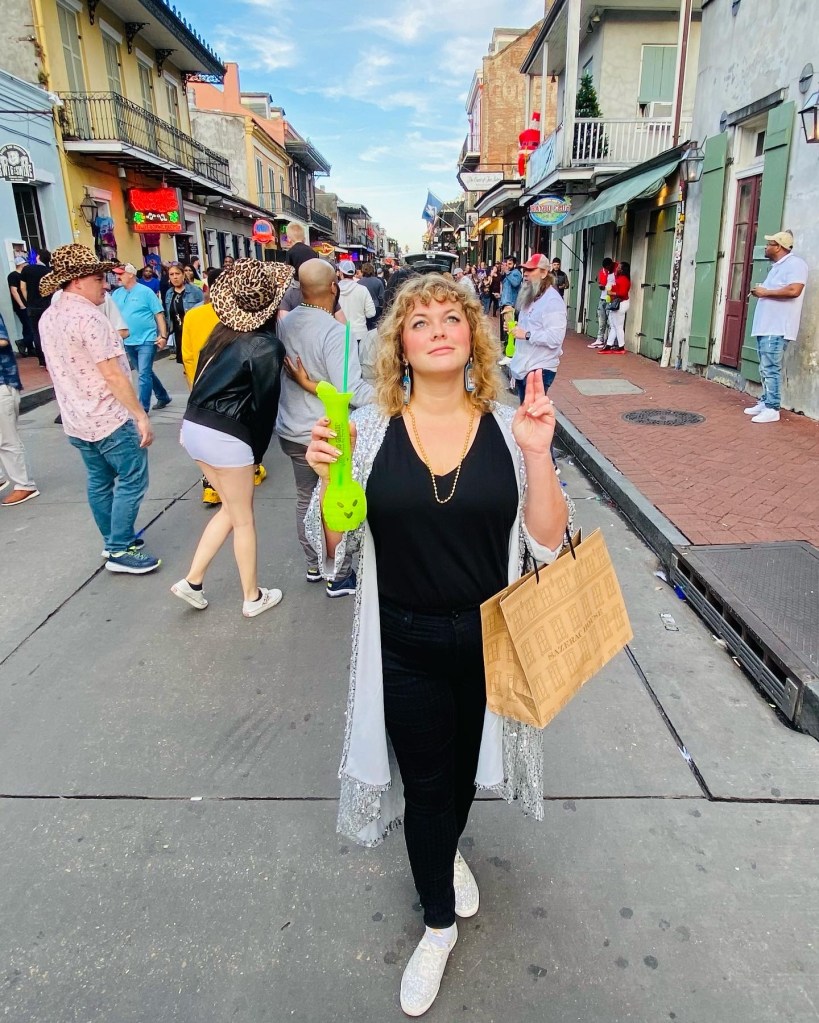
A note on Bourbon Street: there’s the Gay Side and the Hustler Side. The Gay Side is on the right, the bars are better, and it’s much quieter and nicer. There are several gay bars; they’re quiet and low-key. Lafitte’s is a not a gay bar, but it’s one of my favorites because the crowd is mostly in their 30s–50s. The Hustler side is on the left, it’s packed to the brim with horrible little frat bros slobbering and stumbling to various strip clubs. If I were you, I’d find a table at Lafittes.
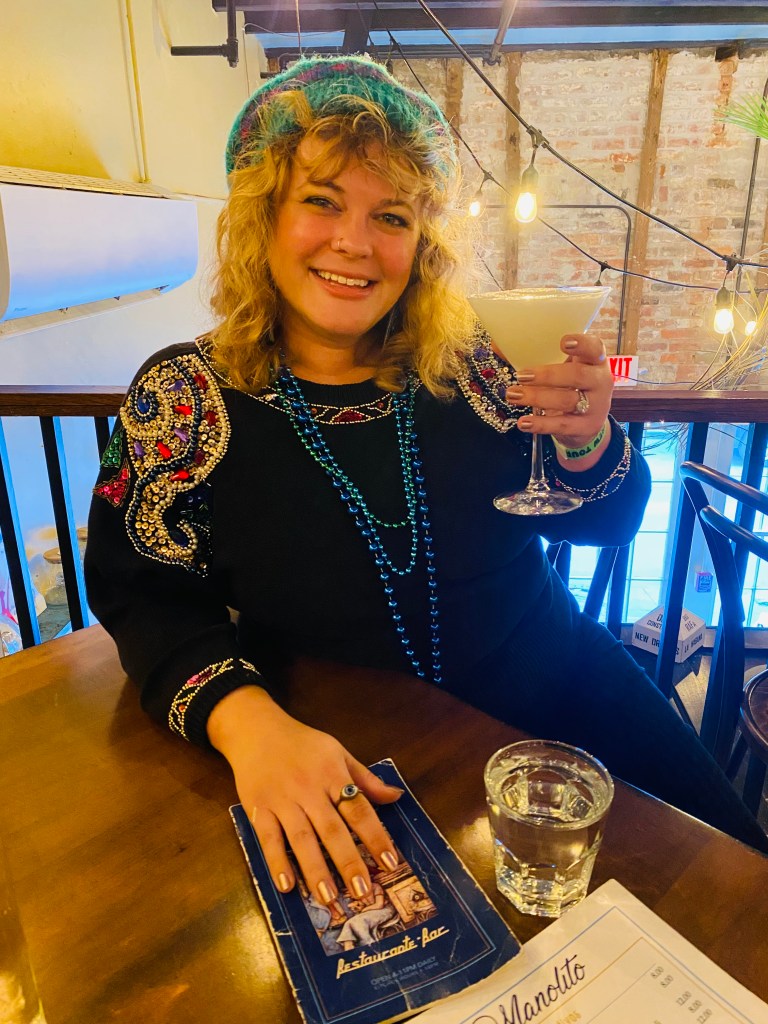
New Orleans is known for their daiquiris (you can even find drive-thru daiquiri spots!), but if you want to try an OG daiquiri, like the original cocktail from Cuba, go to Manolito. The bar was started by a guy who worked at El Floridita in Havana when the daiquiri was invented. It’s going to taste like a high-quality margarita, except with rum instead of lime. Excellent Cuban appetizers, too!


Try an Old Absinthe House Frappe at one of the oldest bars in the French Quarter if you want to see The Green Fairy… and then the pavement.
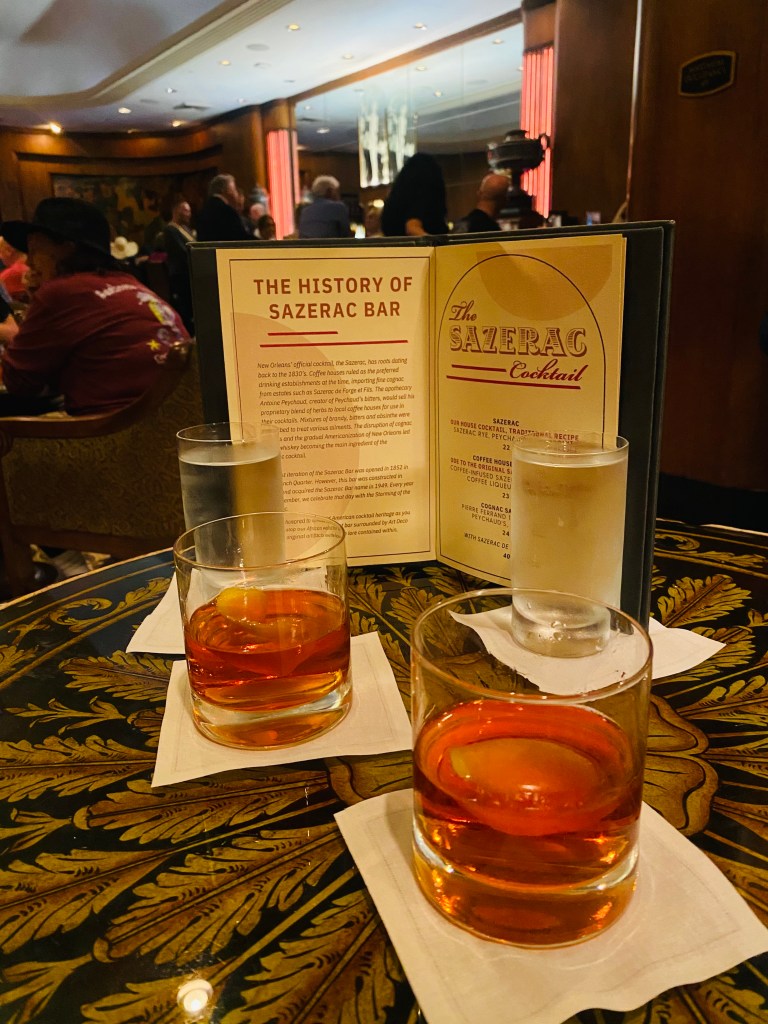
Try an original Sazerac at The Sazerac Bar in Hotel Roosevelt, and if you’re interested in cocktail history, hit up The Sazerac House, a newly-opened drink-as-you-go museum on Canal Street.


While you’re gobbling barbecue shrimp in Tujague’s, try a Grasshopper, their signature chocolate-mint after-dinner drink.
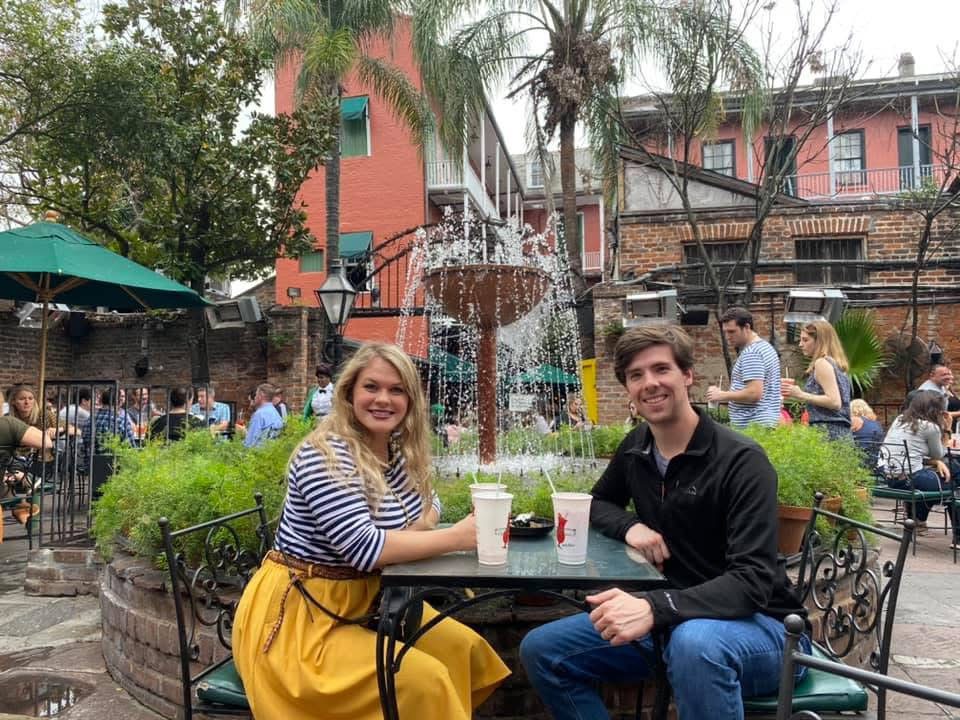
And, of course, you haven’t been to New Orleans until you’ve sipped a Hurricane in the beautiful courtyard of Pat O’Brien’s.
WHAT TO DO:
You mean you’re not planning on spending your entire trip eating and drinking your way around the Quarter? Alright, fine. Try these excursions in between meals:




- Sail the Mississippi River aboard the Steamboat Natchez for a sunset dinner jazz cruise.
- Lafitte Brothers pirate tour (my favorite), ghost tour, or vampire and voodoo tour: these haunted tours are actually a great way to learn about the rich, multifaceted story of New Orleans. These guides weave legends from French and Spanish colonial rule, 1800s rebuilding, voodoo, Black history, Roaring 20s, even Katrina, and it never gets confusing.
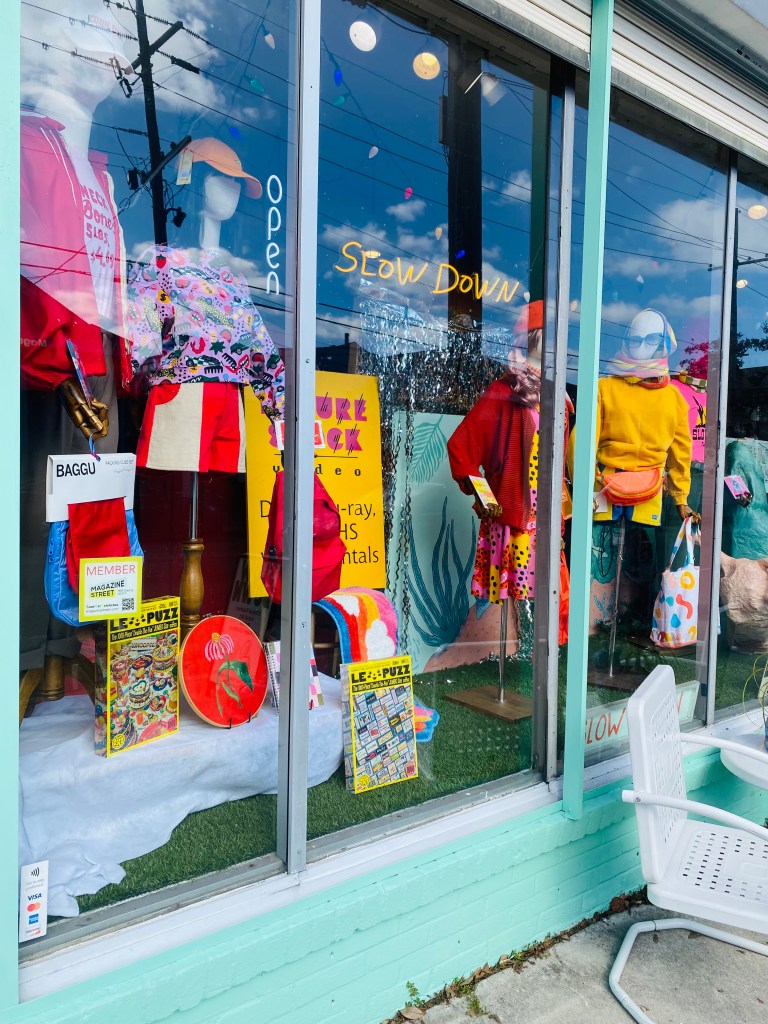
- Ride the St. Charles streetcar to the Garden District using NORTA’s app Le Pass. Stroll down Magazine Street for eclectic vintage shops and cafes!
- If you want to just stick around the French Quarter, wander through art galleries and, yes, more eclectic vintage shops on Royal Street.
- Explore St. Louis Cemetery, the burial place of Voodoo Queen Marie Laveau and site of Nicholas Cage’s pyramid-shaped tomb (you need to book tickets in advance, not free!).
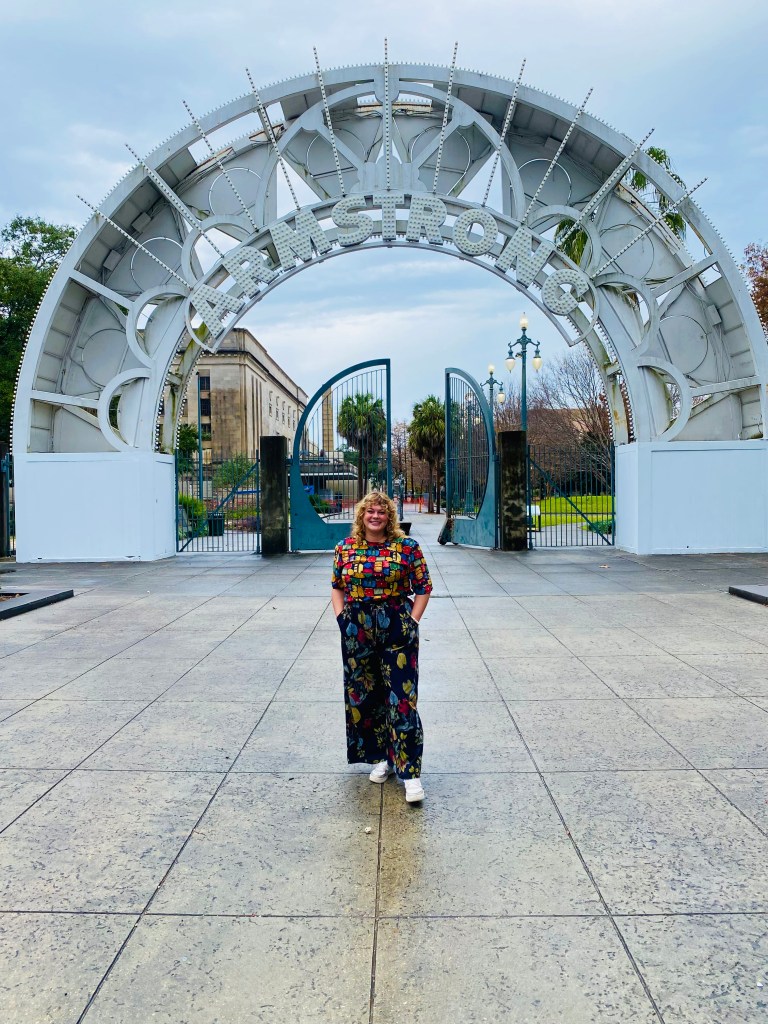
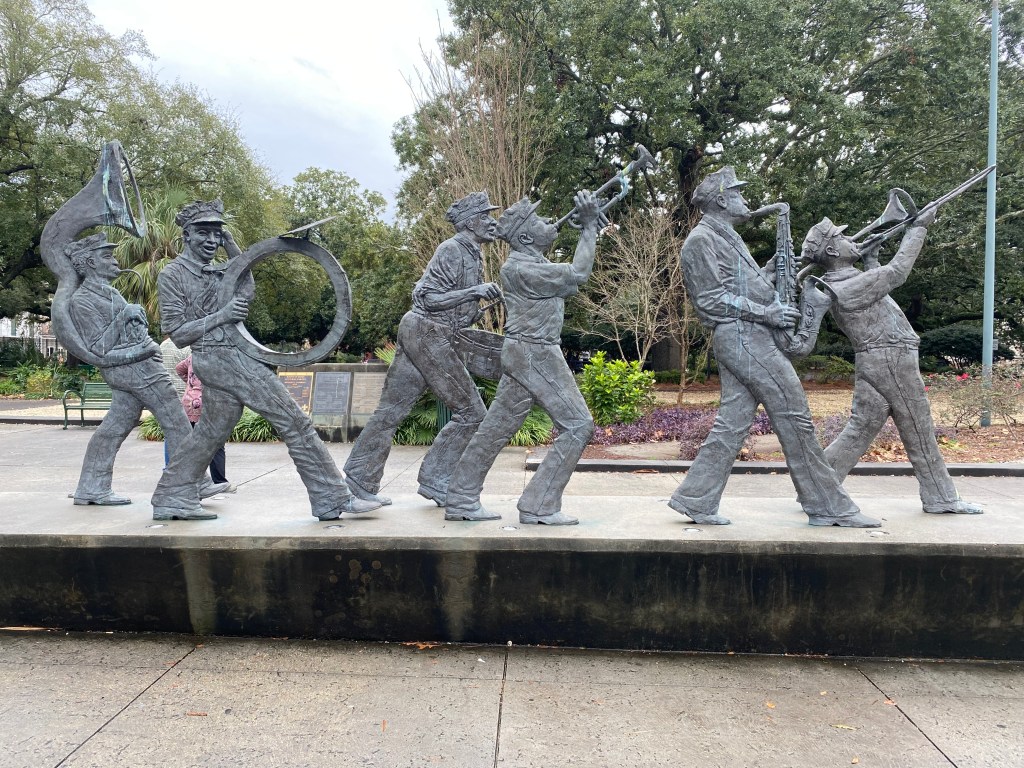
- Stroll through Louis Armstrong park (free). While you’re in the area, explore Tremé and learn about Creole history and the birthplace of jazz in one of the oldest neighborhoods for freed and enslaved Black people in America.
- The National WWII Museum: don’t ask me how, but I’ve been to this museum twice, and the second time I spent five hours there. It really is a great museum if you’re even remotely into history. My favorite part was the propaganda poster collection, but that’s just because I (an English teacher) love really off-the-wall scare-tactics propaganda.
- I know several people have enjoyed the Oak Alley Plantation tour: it’s an old plantation mansion that’s been converted into a museum that focuses on how slaves were treated. I’ll admit: I’ve never been because plantations hold zippity zap zero interest for me. I’m actively not trying to be on plantations, you know? And it’s 45 minutes away, which means less time for voodoo daiquiris.
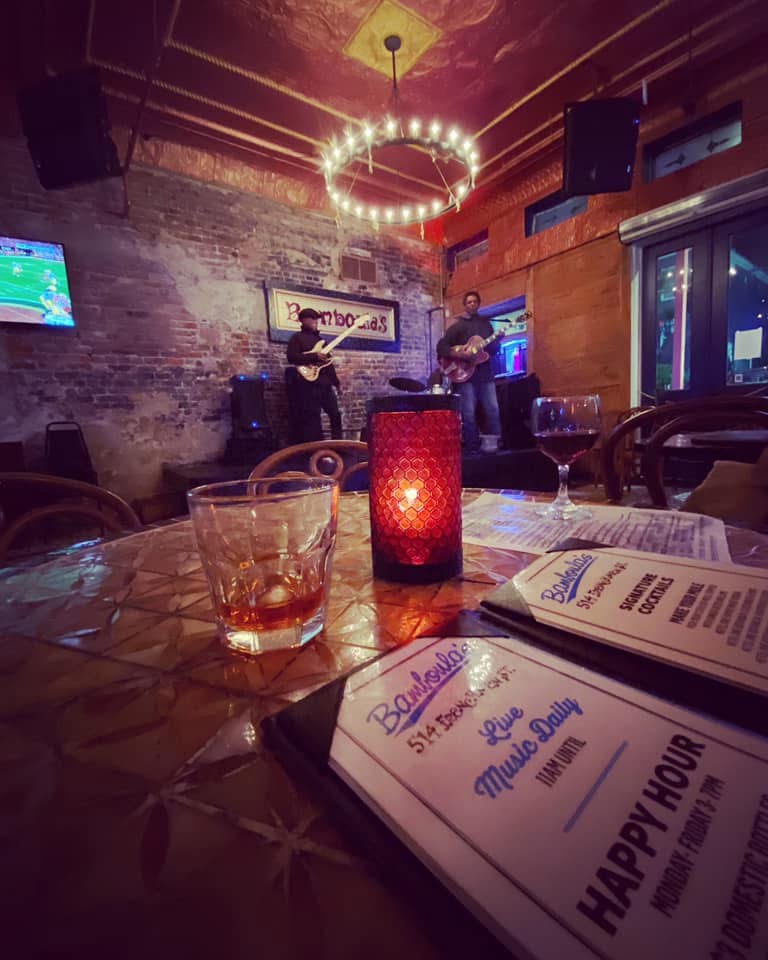
- Make sure to carve out an evening on Frenchmen Street! Bamboula’s and The Spotted Cat are my favorite clubs. The Frenchmen Artist’s Market is open at night and worth going to. I got a t-shirt with the Mandalorian on it and Baby Yoda coming out of a king cake and it says “I GOT THE BABY”.
Seriously, I love this city.
 Ramblin' Reba
Leave a comment