Way down below the equator, a stone’s throw away from the tip of Antarctica, lies a sub-tropical paradise. On every street corner, tango dancers twist and curl themselves around each other like a bunch of turned-on snakes, and the perfume of dulce de leche intermingles with the heady scent of beef on the grill. This is Buenos Aires, the capital of Argentina.
WHAT TO SEE
Buenos Aires is BIG. It’s the second-largest city in South America, even bigger than Rio de Janeiro. That isn’t to say the city isn’t walkable: it definitely is, especially in the tree-lined avenues designed to evoke a Parisian sense of peace. All the same, it’s best to organize your itinerary by neighborhood.
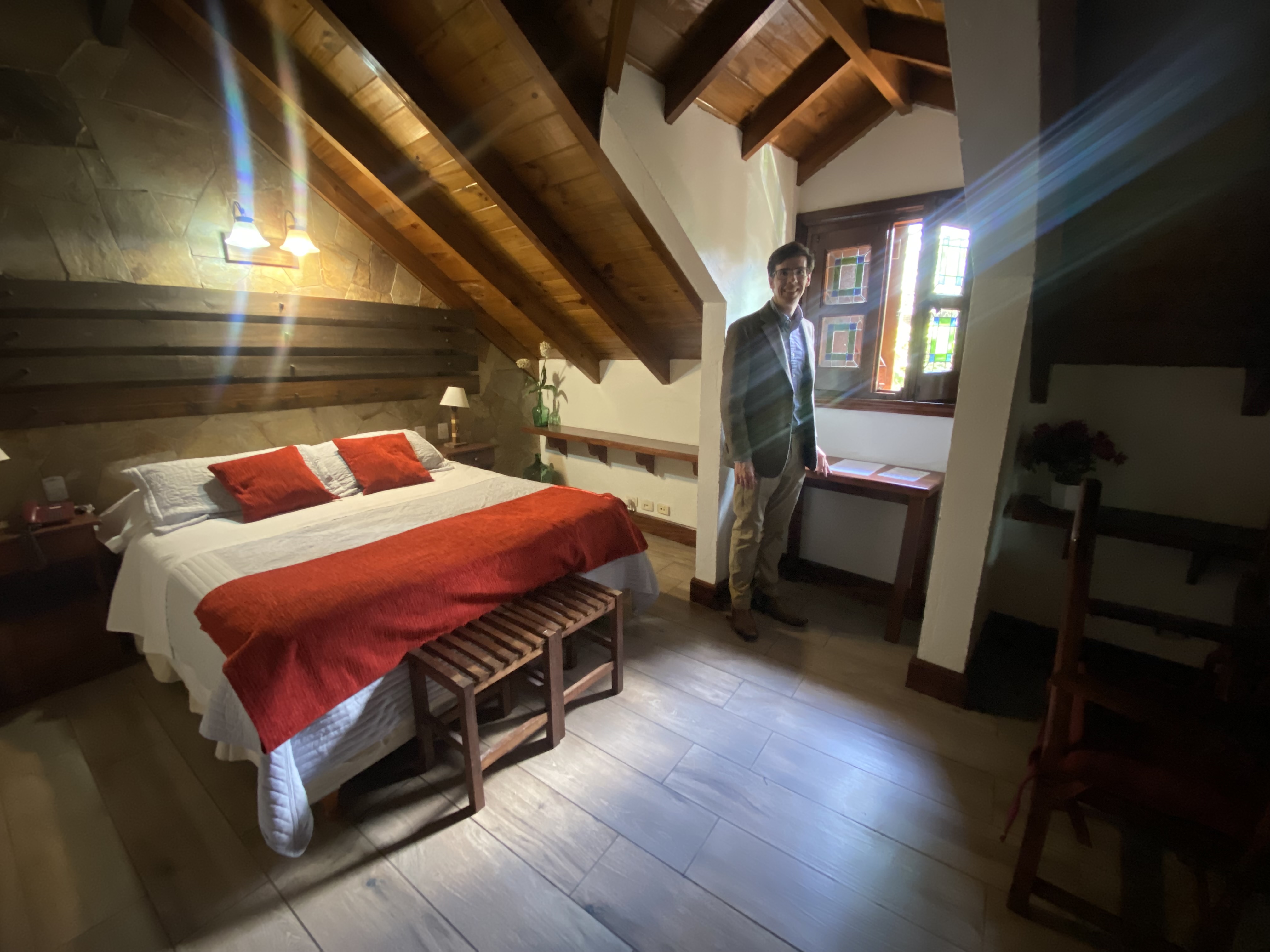
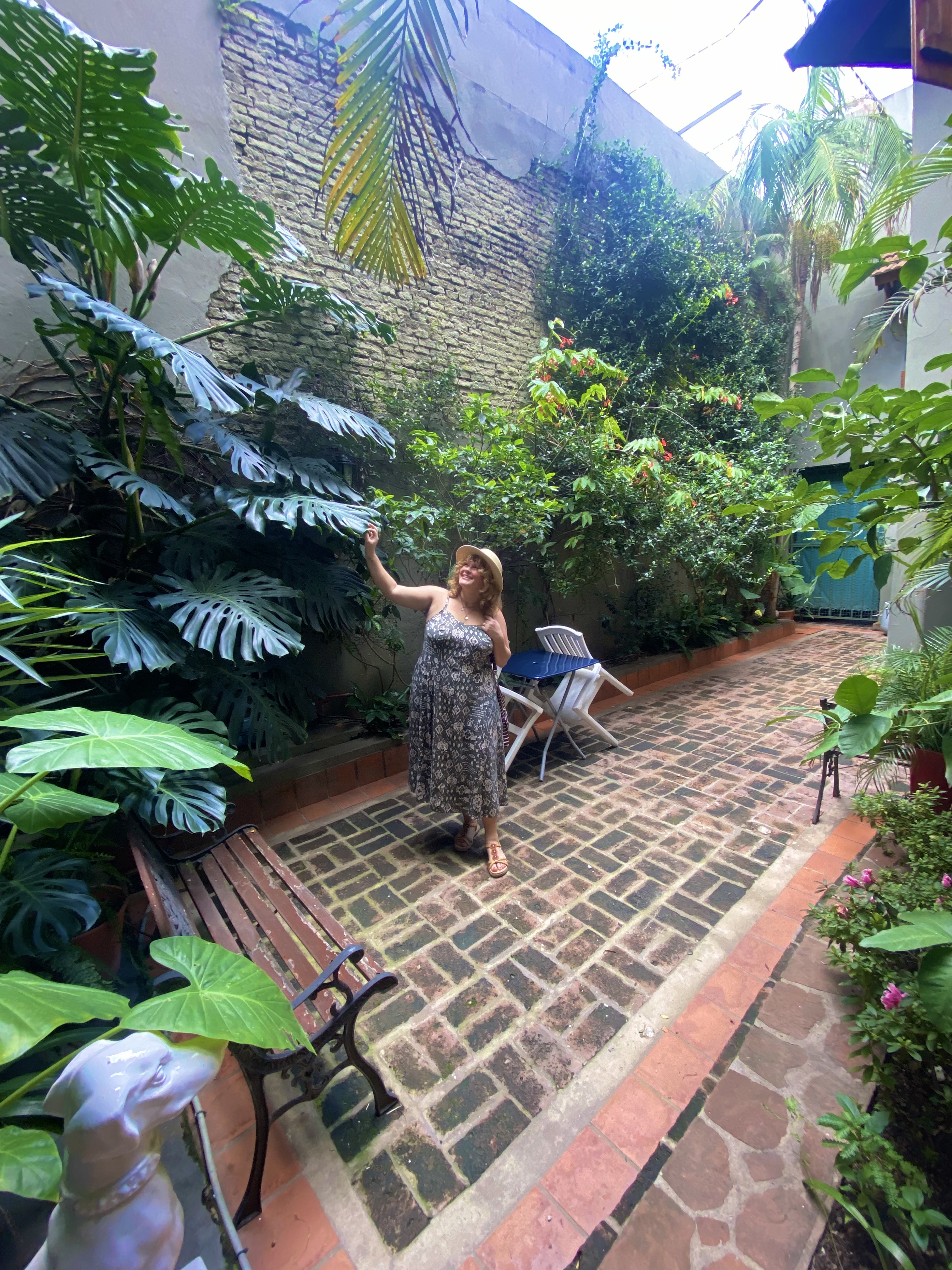
Buenos Aires has forty-five official barrios, but there are five major neighborhoods that are really geared for tourists: Palermo, La Boca, San Telmo, Recoleta, and Puerto Madero. I would recommend staying in Palermo; it’s trendy and picturesque, the streets are quiet and verdant, and most of Buenos Aires’ restaurant scene is within a short walk. We loved our hotel!

I’ve seen some travel blogs that argue you need five full days to see Buenos Aires’ five neighborhoods, but frankly, we accomplished it in three. We split our trip between Buenos Aires and Iguazu Falls because we wanted to explore the rainforest as well as see the big city, but more on that later.
Buenos Aires’ economy is mercurial, so if you plan a trip, you might be paying very cheap prices for everything, or it might be on-par with American prices. When we went in March of 2025, we found that everything was priced the same as in the States, with the exception of Ubers, hotels, wine, and steak, which were very cheap. Another word of advice on budgeting: tips are in cash, and most ATMs are empty, so you’ll want to get plenty of pesos beforehand or go to a Western Union.
Palermo – the hipster barrio
If you use Palermo as your home base, you can explore most of Palermo’s vibrant, hip scene in the cool of the evening. Most of the World’s 50 Best Restaurants, South America’s 50 Best Restaurants, and Michelin restaurants and bars will be in this area, and the prices are very reasonable. There are a lot of really fun theme bars and speakeasies in the area, too. But what Palermo is known for is its countless sprawling parks and botanical gardens.
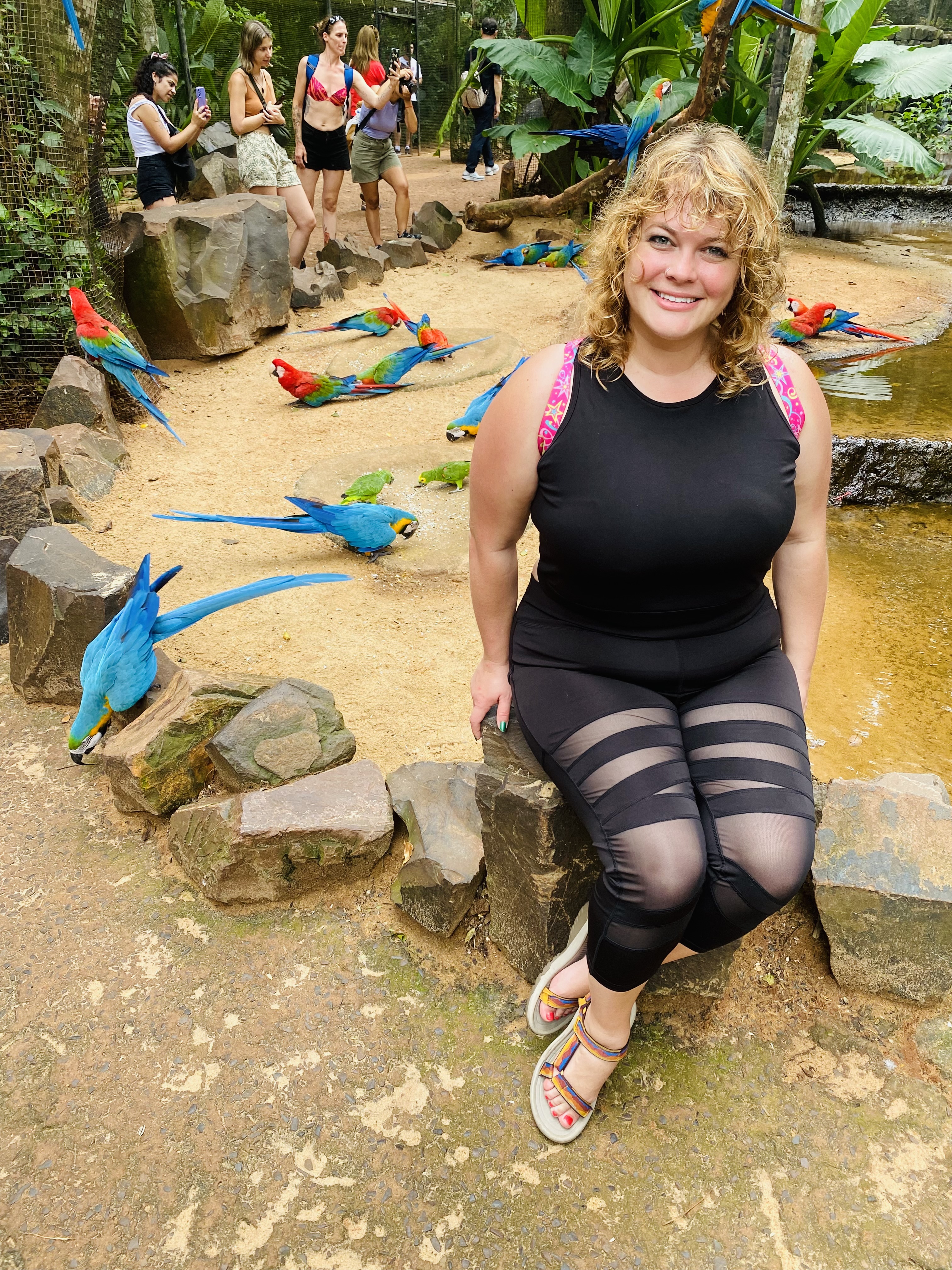
When you get off the plane after a ten-hour flight, I’m guessing you won’t want to bite off a whole barrio on your first day in the city, so I would recommend exploring Ecoparque, Buenos Aires’ free zoo. Ecoparque is dedicated to showcasing Argentina’s local flora and fauna, and while a native species zoo doesn’t sound very fun in the States, Argentina is in South America, home to the Atlantic Rainforest. You’ll see different types of parrots, including beautiful red and blue macaws, capybaras, tapirs, capuchin monkeys, flamingos, and migrating hummingbirds. There were animals walking around freely that I had never even heard of before: a mara is a common animal in Argentina, and it looks like a jackrabbit that walks on four long legs like a coyote.


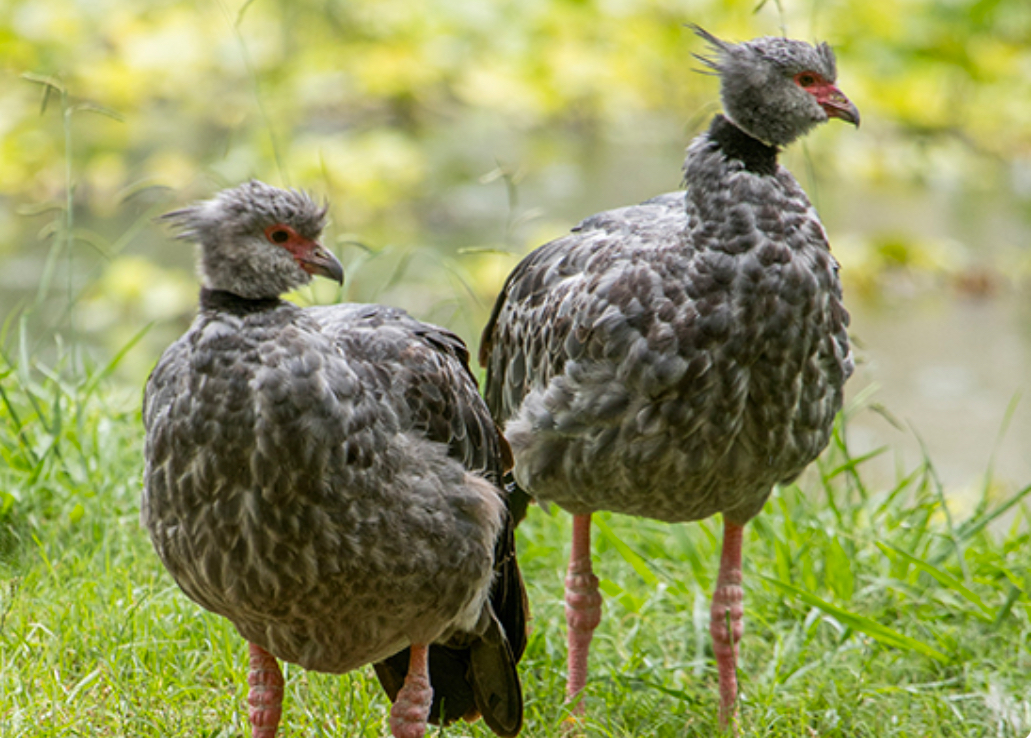

The zoo was built in the late 1800s, around the same time as New York’s Central Park Zoo. It’s organized pretty much the same way, although (forgive me) it looks and feels more like Disney World’s Animal Kingdom, with exotic, ancient-looking temples attractively placed in the large animal enclosures. The zoo came under fire in 2016—I mean I don’t know if you’ve ever been to a city zoo designed in the 1800s, but the modus operandi was to build beautiful but small cages for the animals to sit in, so visitors could clearly see the animals, but the animals couldn’t move freely—and the park was redesigned with large habitats for the animals. Ecoparque’s focus is on conservation and education, and meandering around after lunch in a trendy gastropub in Palermo is a great, low-energy activity for your first day. And it’s free!
La Boca – the colorful barrio
La Boca (“The Mouth”) is Buenos Aires’ most iconic barrio. Buenos Aires is a bayside town, so you won’t find any beaches. It’s located at the mouth of the Río de la Plata, an estuary leading to the Atlantic Ocean. The main port is in the mouth of that estuary, which is why the neighborhood is called The Mouth.
A tiny bit of history: okay so obviously you know about conquistadors in Central and South America in the 1500s. Argentina became a major trade center under Spanish rule during the 1600s and 1700s, just because so many rivers feed into it, and it’s the last stop before looping around Cape Horn, and then you’ve crossed over into the Pacific. Argentina declares independence from Spain and has their own Revolutionary War in 1810, pretty much around the same time that all these European-controlled colonies were like “hey this form of government doesn’t make sense anymore, the US is independent, let’s try it too”. So once Argentina becomes their own country, they spend about 50 years building up their economy, and around the time of Paris’ bohemian Belle Epoque, Argentina is **flUuUusheD with cAaAashhh**, so they have the funds to design a really attractive city in the style of Paris, Mexico City, and old New York.
BUT!
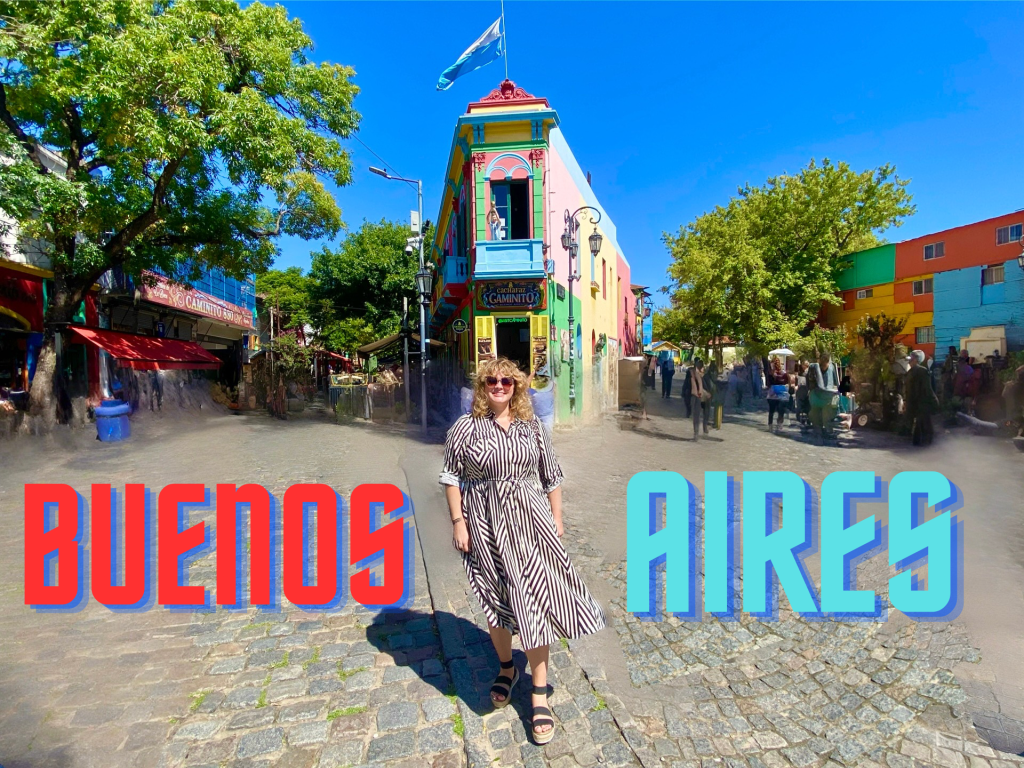
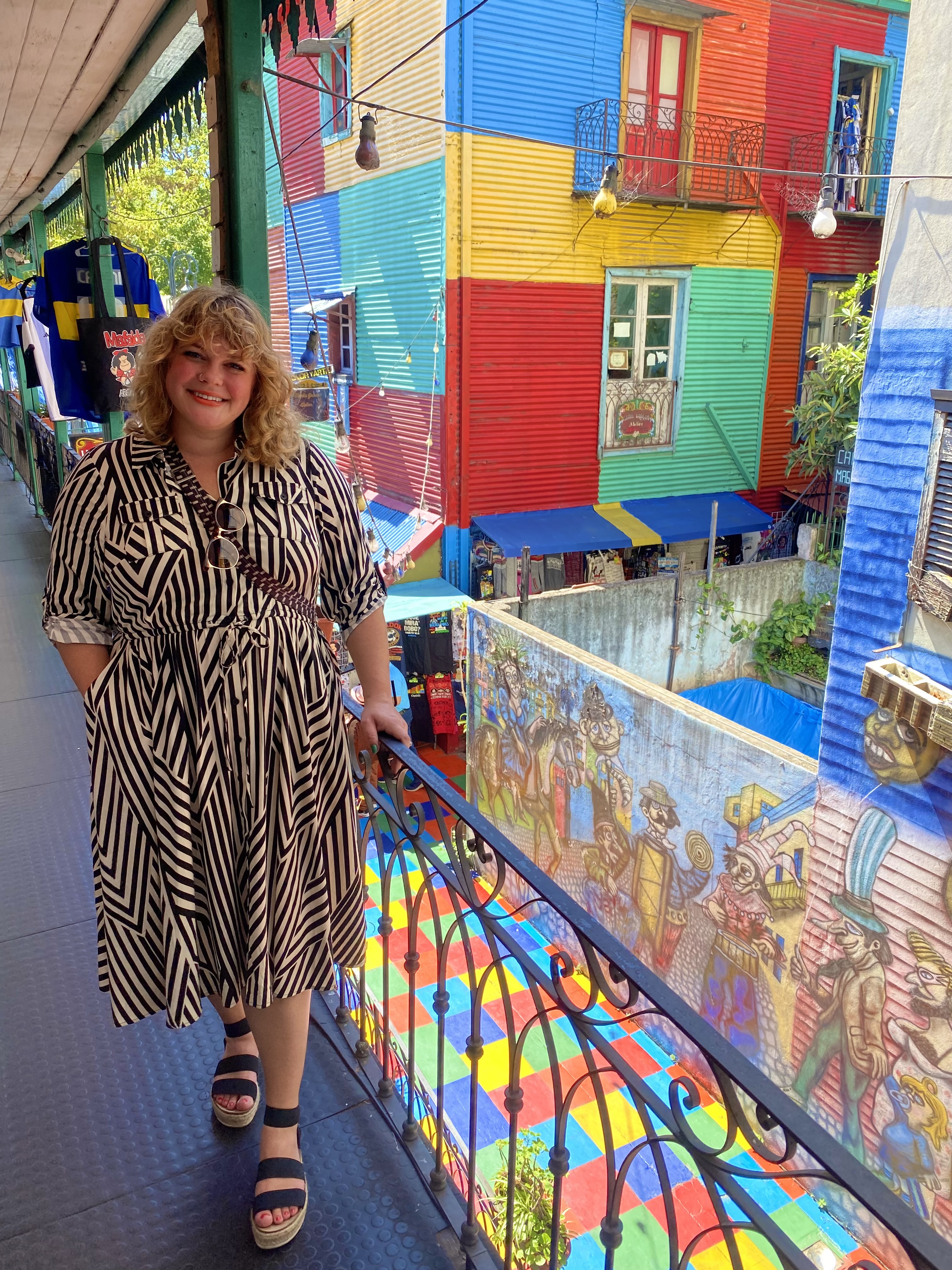
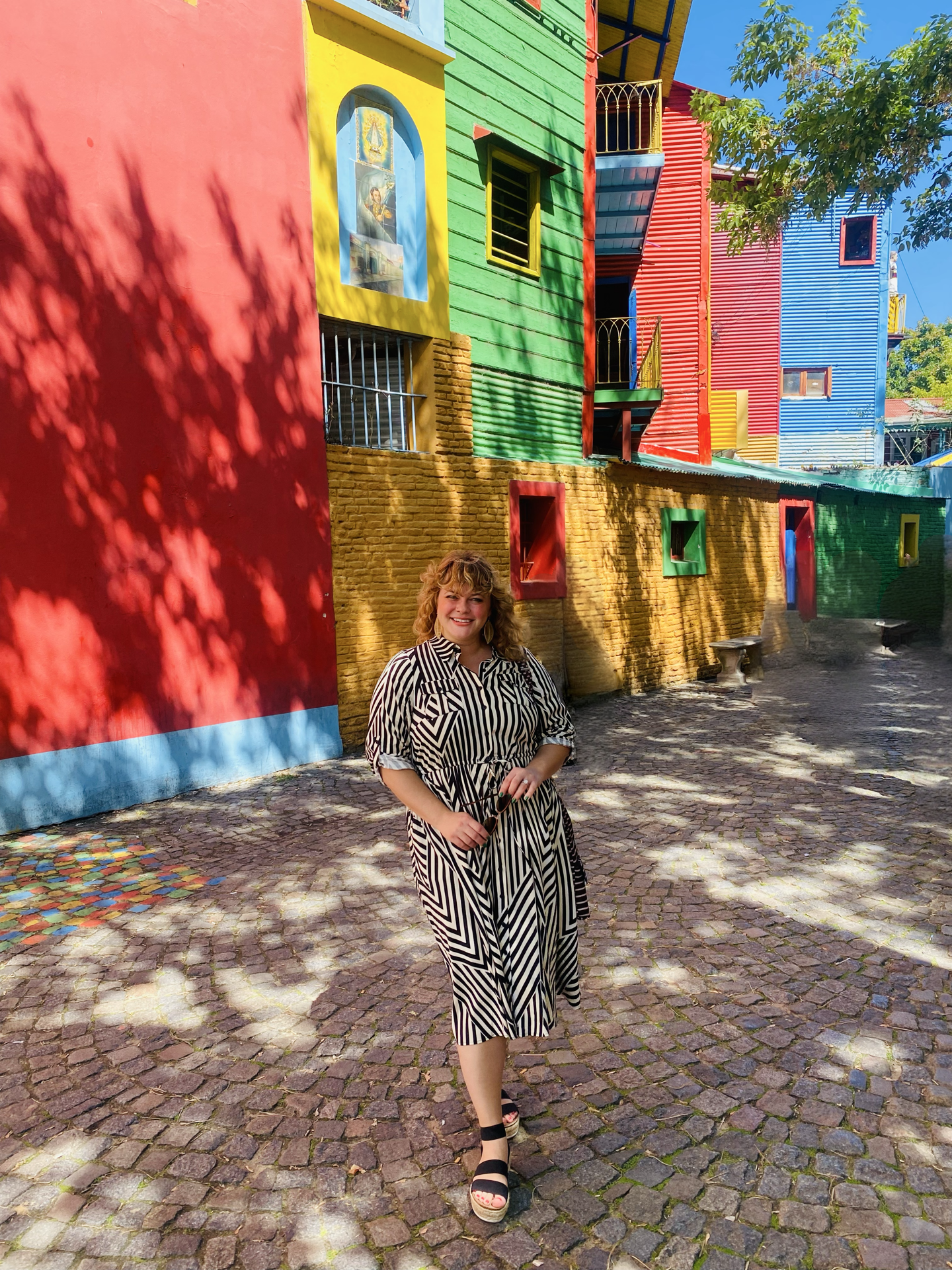
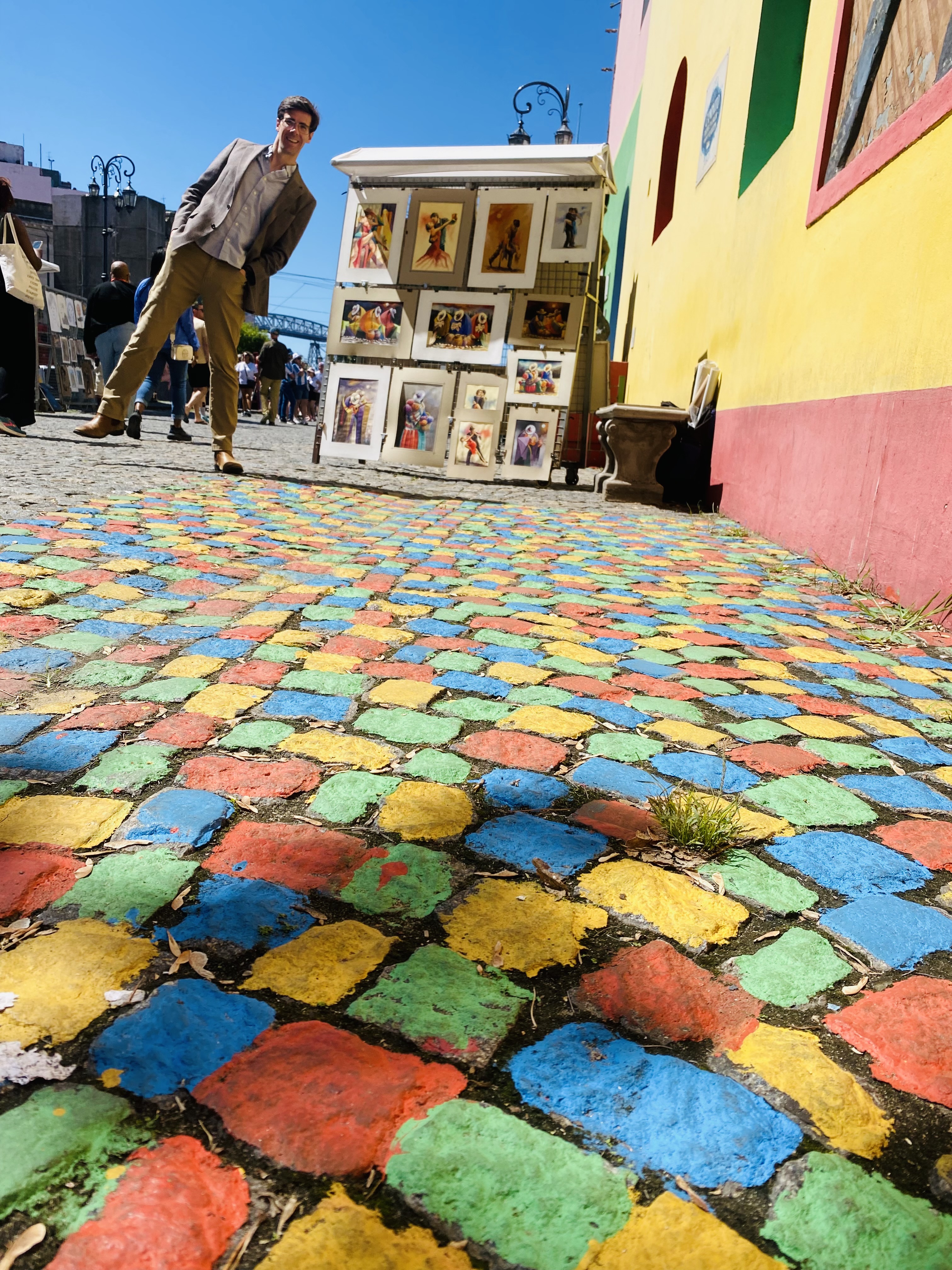
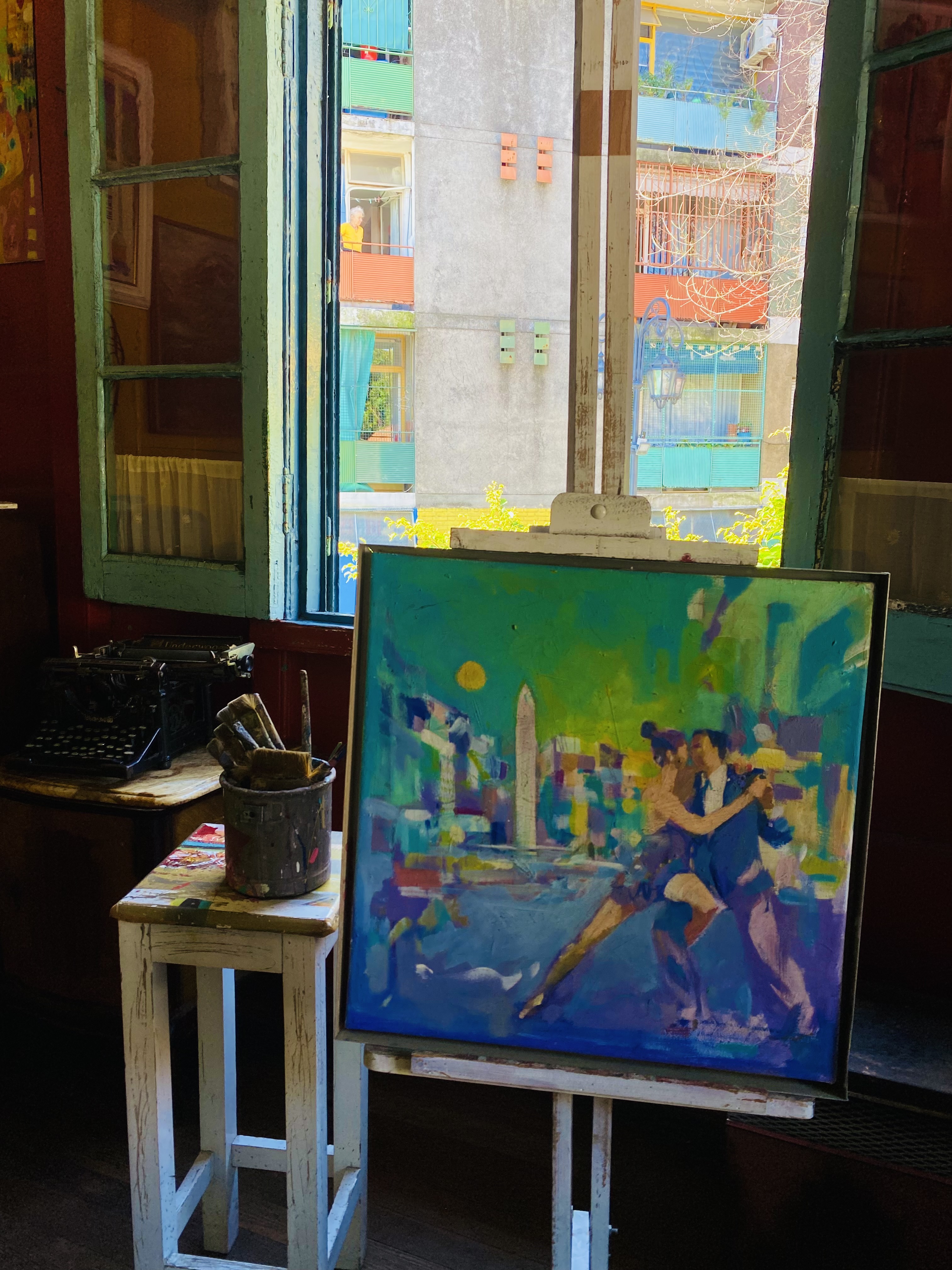
The port, La Boca, is where all the shipyards are, and that’s where all the immigrants in the late 1800s are flooding in. A lot of immigrants are from Italy, and there’s still plenty of folks coming in from Spain. So La Boca becomes known for its porteño (“from the port”) culture, a mix of Italian and Spanish cuisine, fashion, and bohemian living. The shipyard workers can’t afford nice housing, so they just slap houses together with cheap corrugated iron and sheet metal, and then they paint them with leftover shipping container paint: tomato red, goldenrod yellow, kelly green, turquoise and cobalt blue. The first few blocks became known as El Caminito, which soon became an artist’s haven, and—most importantly—the birthplace of tango. To this day, you can stroll down the cobblestone alleys of Caminito and buy paintings and other crafts made by local artisans, all while tango dancers promenade in satin and fringe.
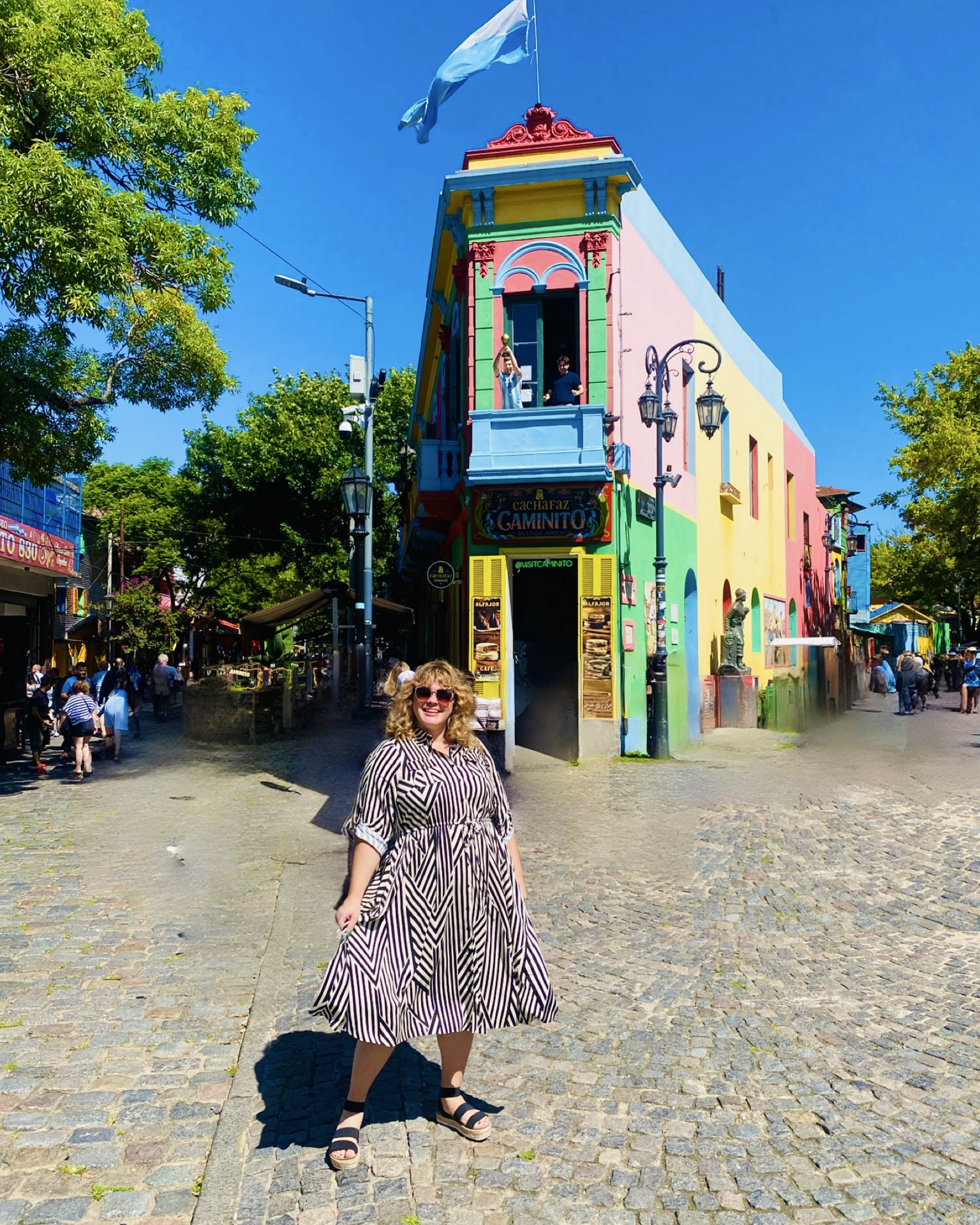
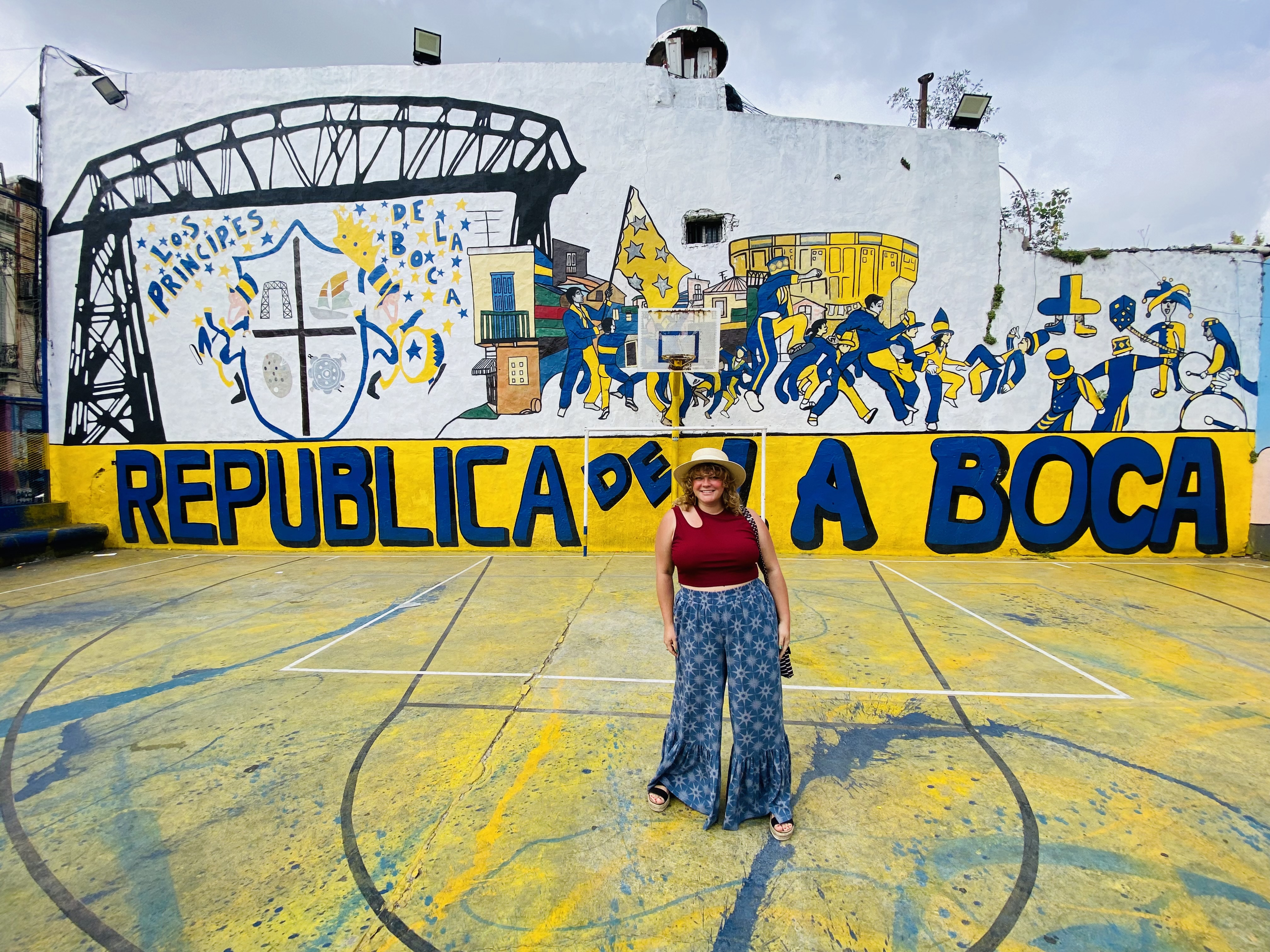
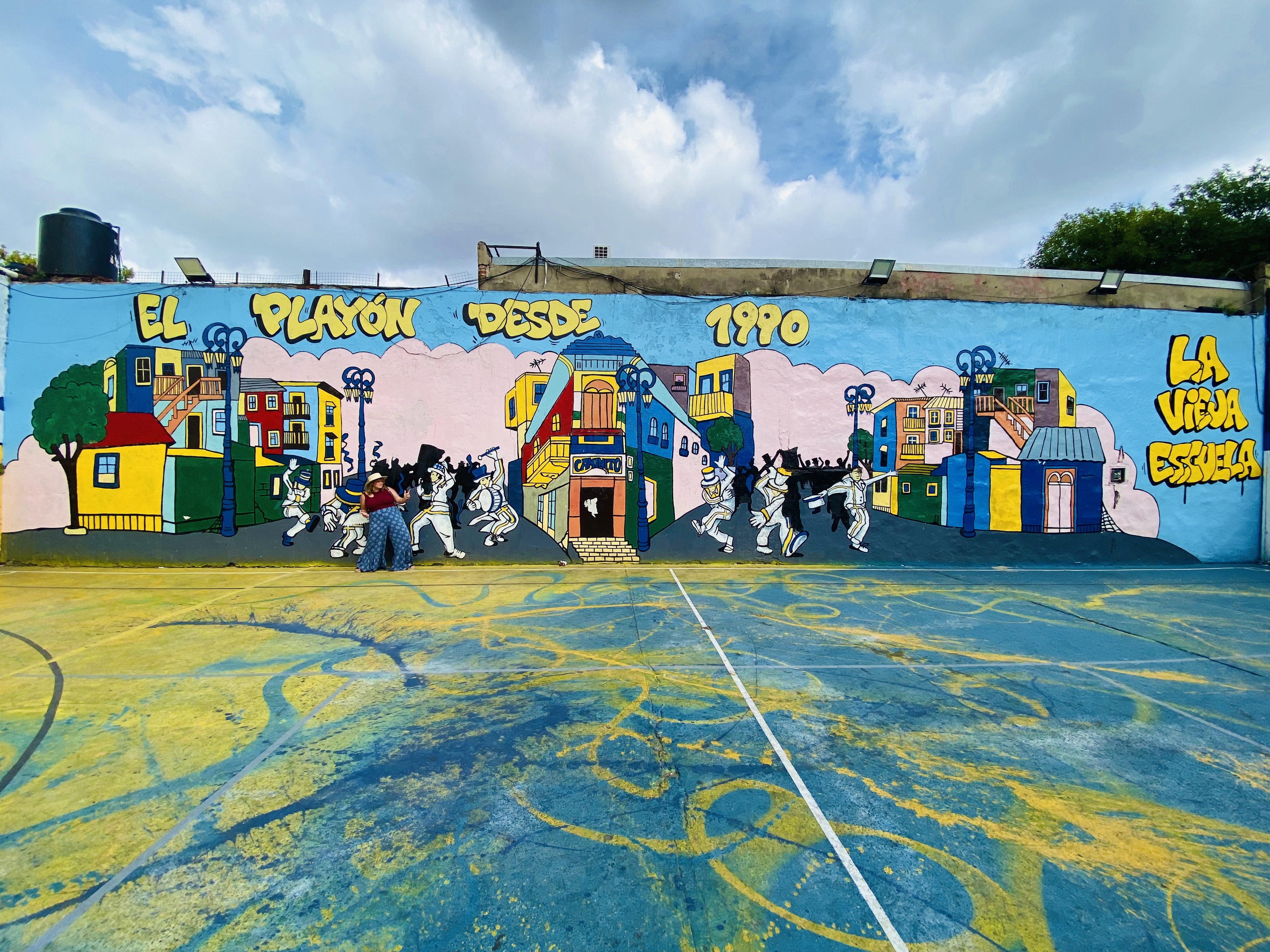



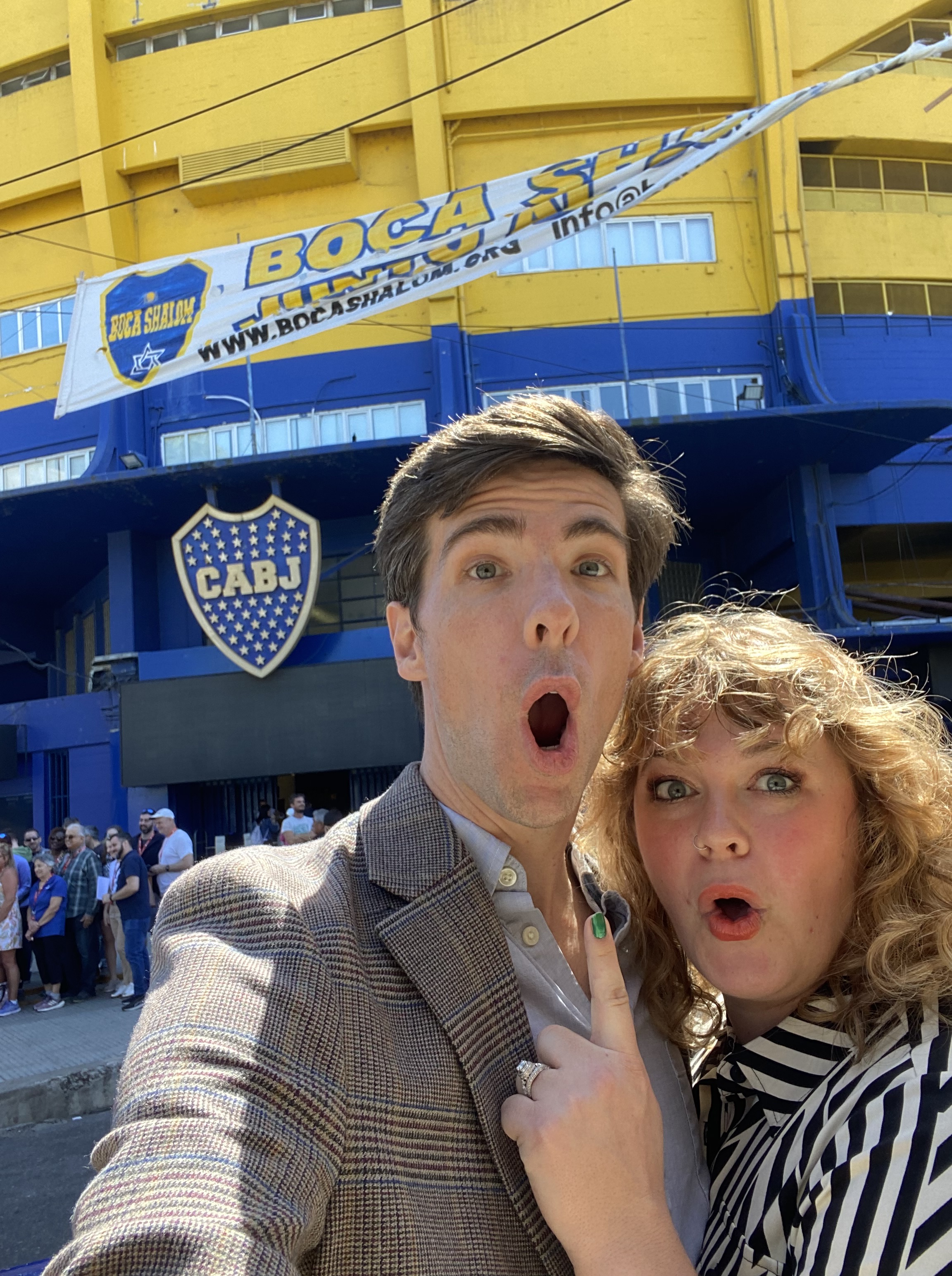
La Boca is also home to Boca Juniors, the world-famous futbol league, former home of Lionel Messi. Boca Juniors’ stadium, La Bombonera, is wedged in between the brightly-colored buildings of Caminito. If you’re a soccer fan, good luck getting a ticket: they’re notoriously hard to get because it’s members only, so most tourists use GetYourGuide and go with a local. And even then, that’ll cost you $200–300 per person, and it’s only on a Sunday, and it’s once a month, and… idk you do you, but me personally, I would just see the stadium and maybe pop into El Museo del Quique (the soccer museum, quite literally “kicking museum”) across the street.
La Boca was far and away my favorite part of Buenos Aires. It was so colorful and unique! It is quite touristy, but Rule #3 of Traveling Well: You Are a Tourist, Be Touristy. Beware: the larger barrio of La Boca is still an impoverished neighborhood, and it does have a reputation for crime. But the part with the colorful buildings, El Caminito, is well-regulated, so just stick to the touristy part and you’ll be fine.
San Telmo – the artsy barrio
This is Buenos Aires’ oldest barrio, well-known for its beautiful architecture and artist’s district. It has a pretty similar history as La Boca, except San Telmo had more blue-collar industrial workers than shipyard workers and sailors. San Telmo really came into its own in the 1950s when the modern art museum, Museo del Arte Moderna de Buenos Aires, or MAMBA, was built. Around this time, a lot of antiques stores popped up, as well as Buenos Aires’ oldest tango club, El Viejo Almacén. As jazz became more popular in the 50s and 60s, San Telmo became more or less the entertainment district in Buenos Aires.
Most of the major tango shows can be found in San Telmo. Obviously, I wanted to go to the most historic one, El Viejo Almacén. It came highly recommended on this tango blog, which offers discounted tickets if you book through his website. Some of the tango clubs are like big ballrooms with long tables, where you can see dinner and a show. But good luck seeing the stage if you’re seated all the way in the back of the long table. These tango clubs were designed for large tour groups, probably on their way to or from a cruise. (Buenos Aires is a major cruise port, be aware.) But El Viejo Almacén is really cozy, perfect for couples.
Buenos Aires is a late-night city. Most restaurants serve dinner from 8PM to midnight. If you choose the dinner and a show option, you’ll get an okay dinner across the street at the club’s restaurant at 8:00, and then the show will start around 10:00. Ticket prices start at $70, and with dinner it’s $120 per person. If I had to do it again, I would just eat in Palermo or a nearby San Telmo restaurant, and then I would go see the show. THE SHOW WAS PHENOMENAL. Even if tango is not your thing, you’re going to love it. The dancers are so talented. What knocked me out, though, were the gaucho dancers. These cowboy-looking performers swung boleadoras, metal balls on a whip, to the beat in a folk dance called the malambo. Click here for a video!
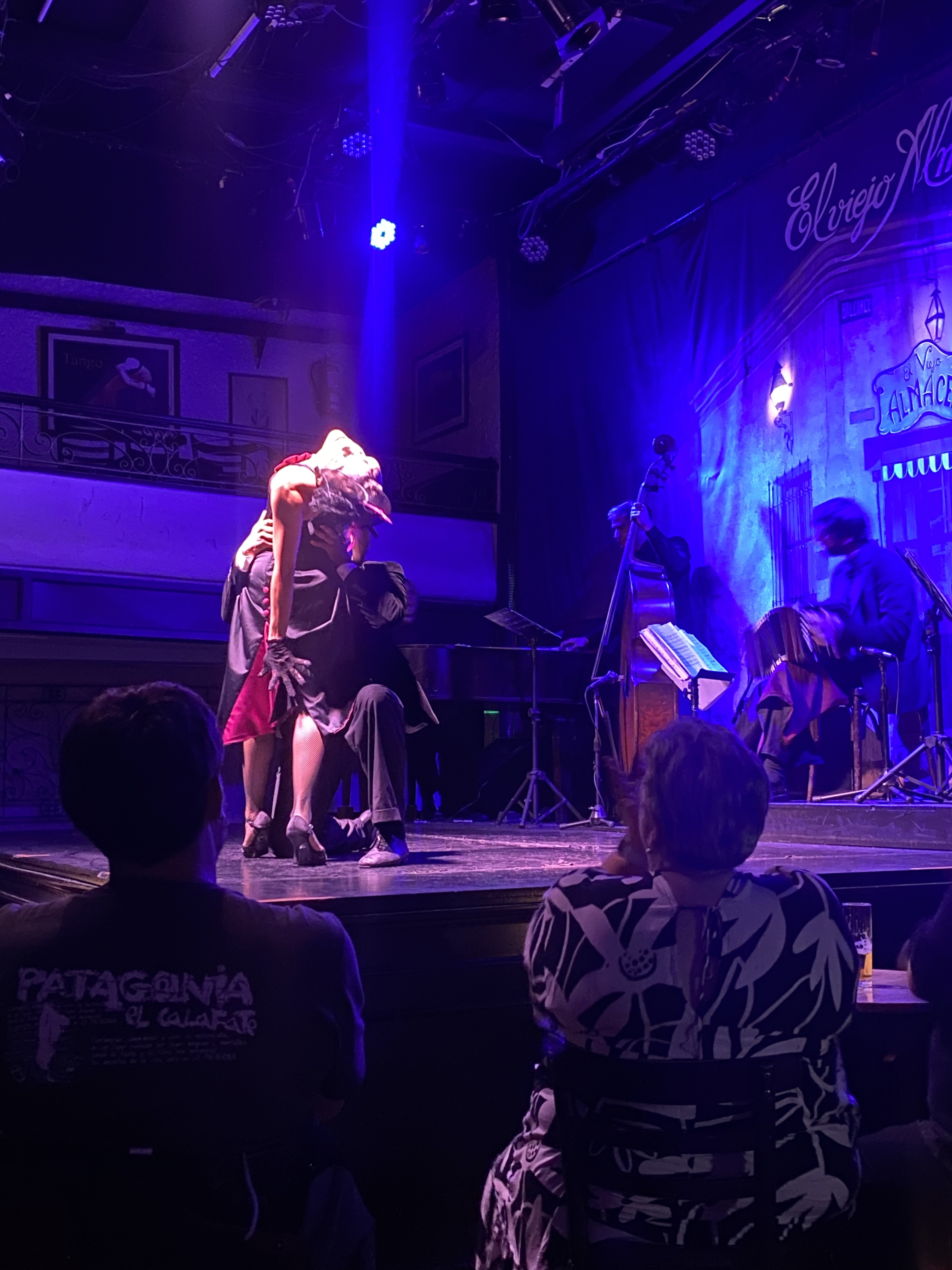
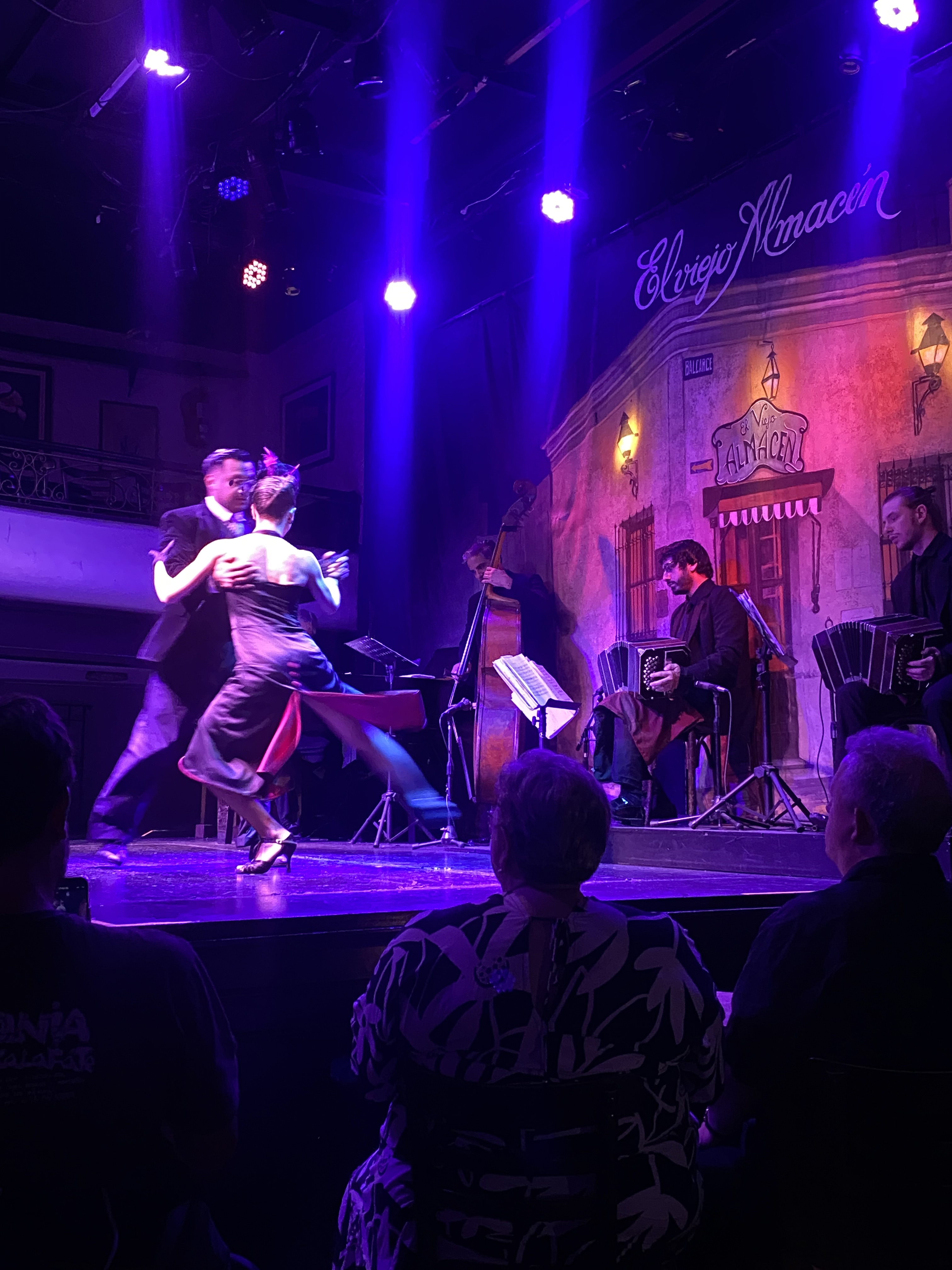

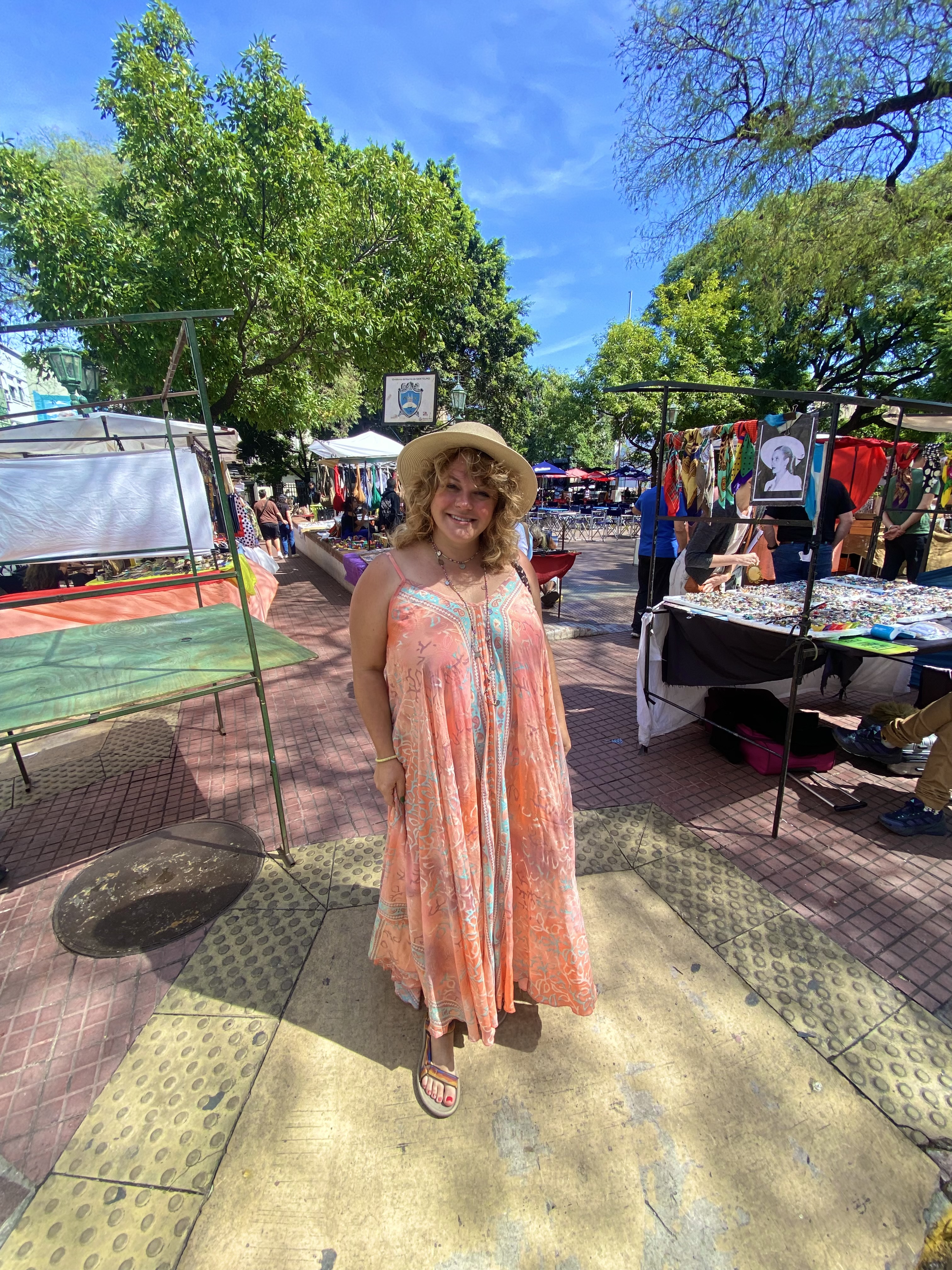
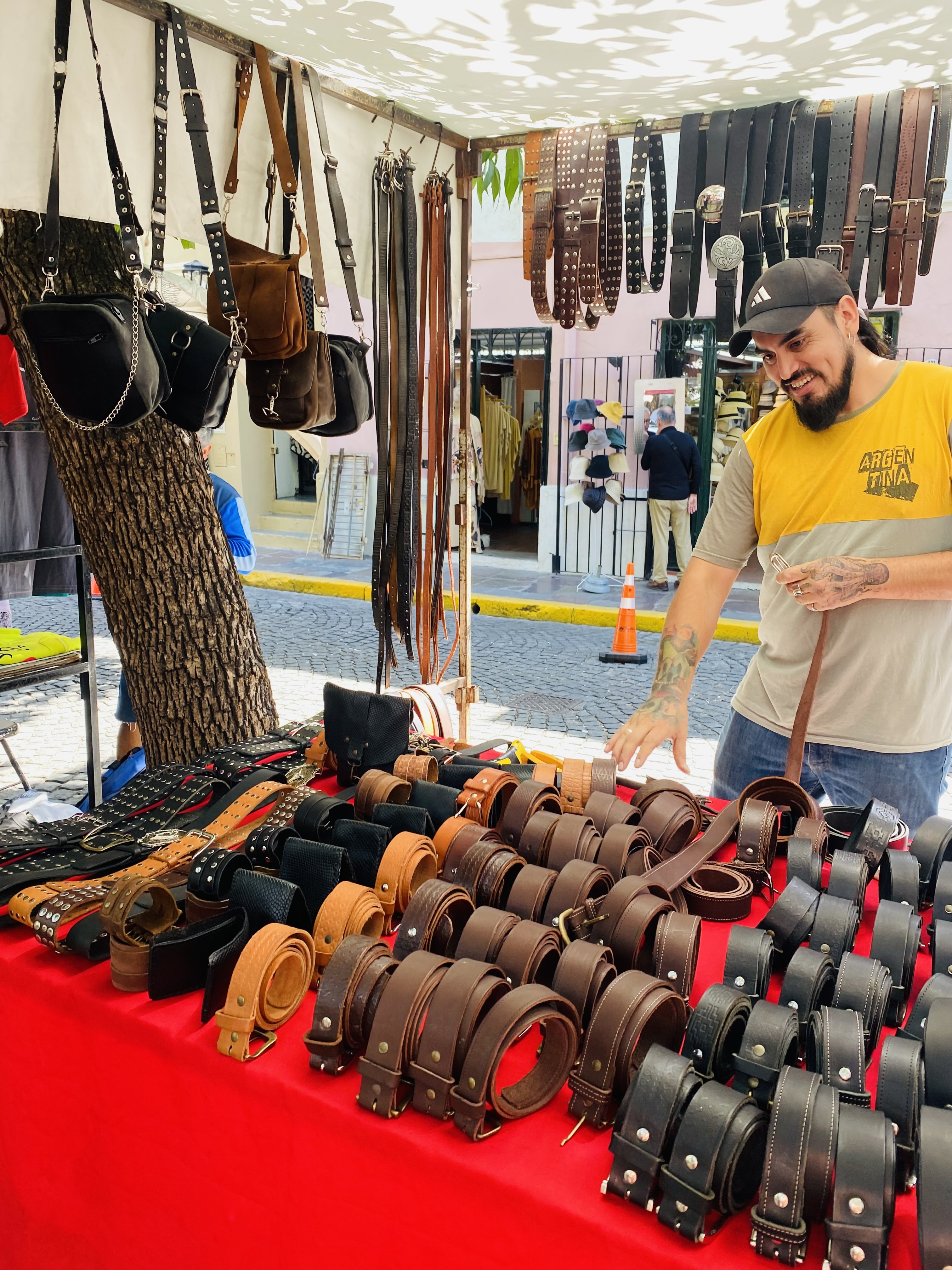
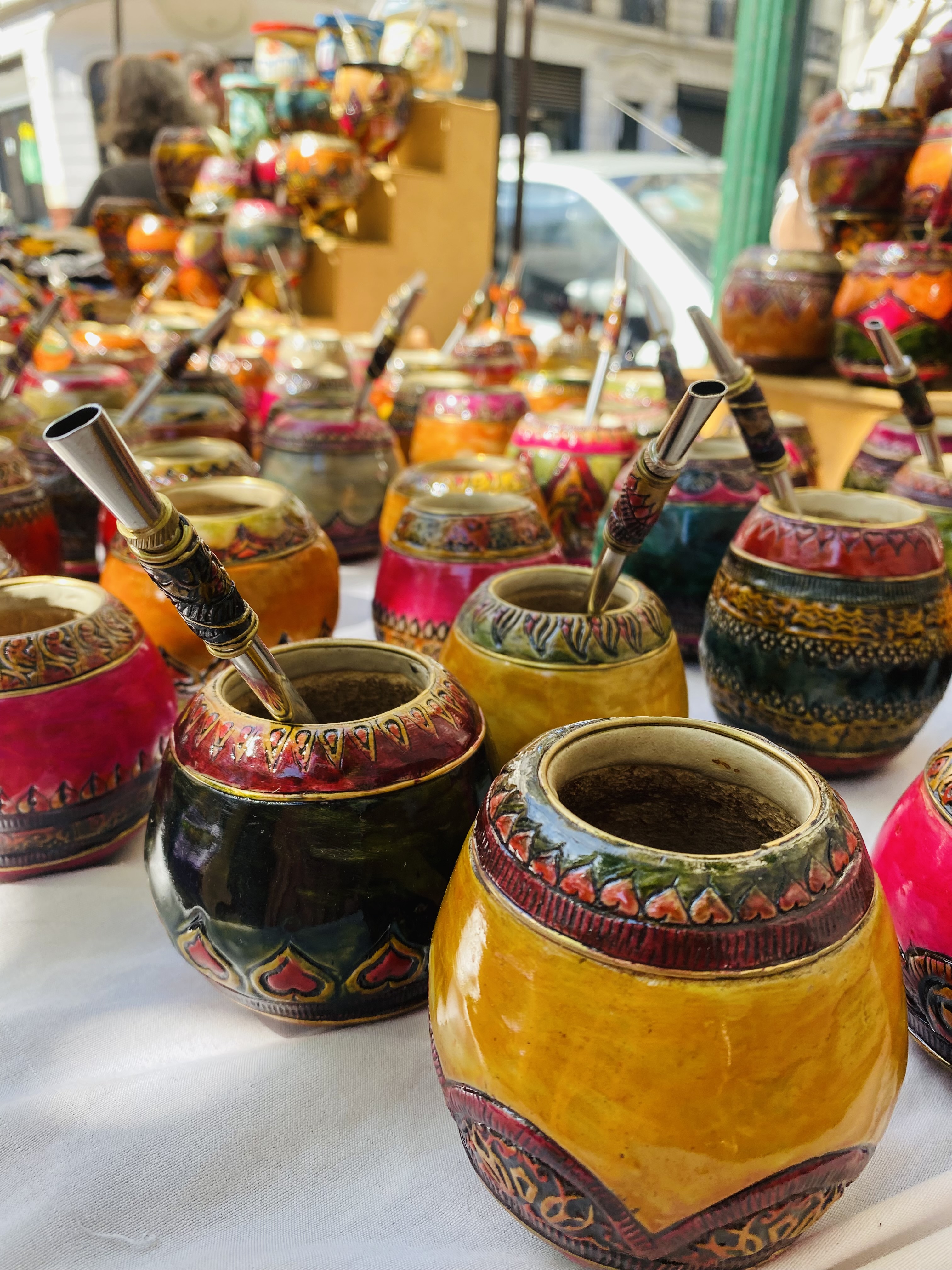
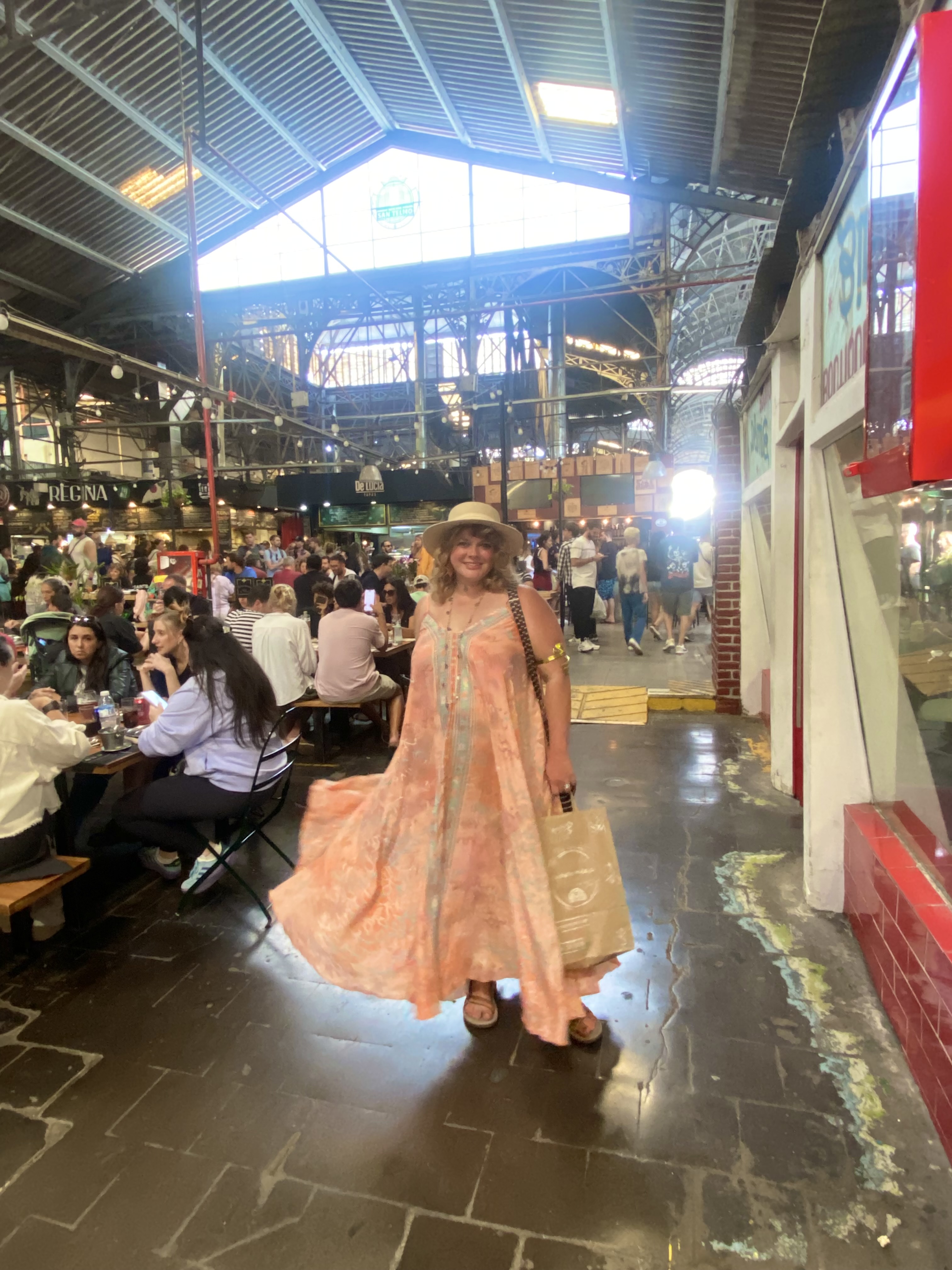
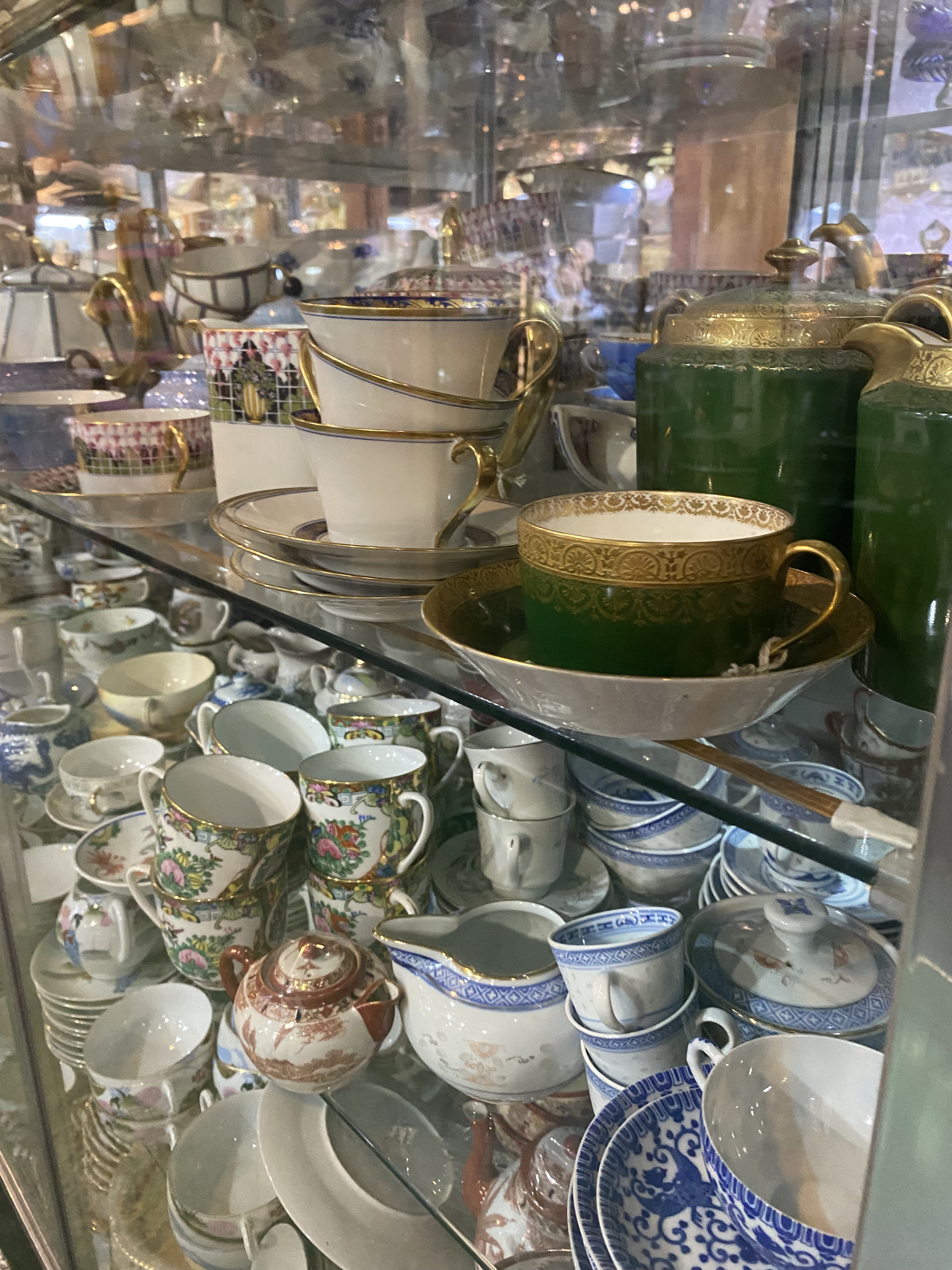
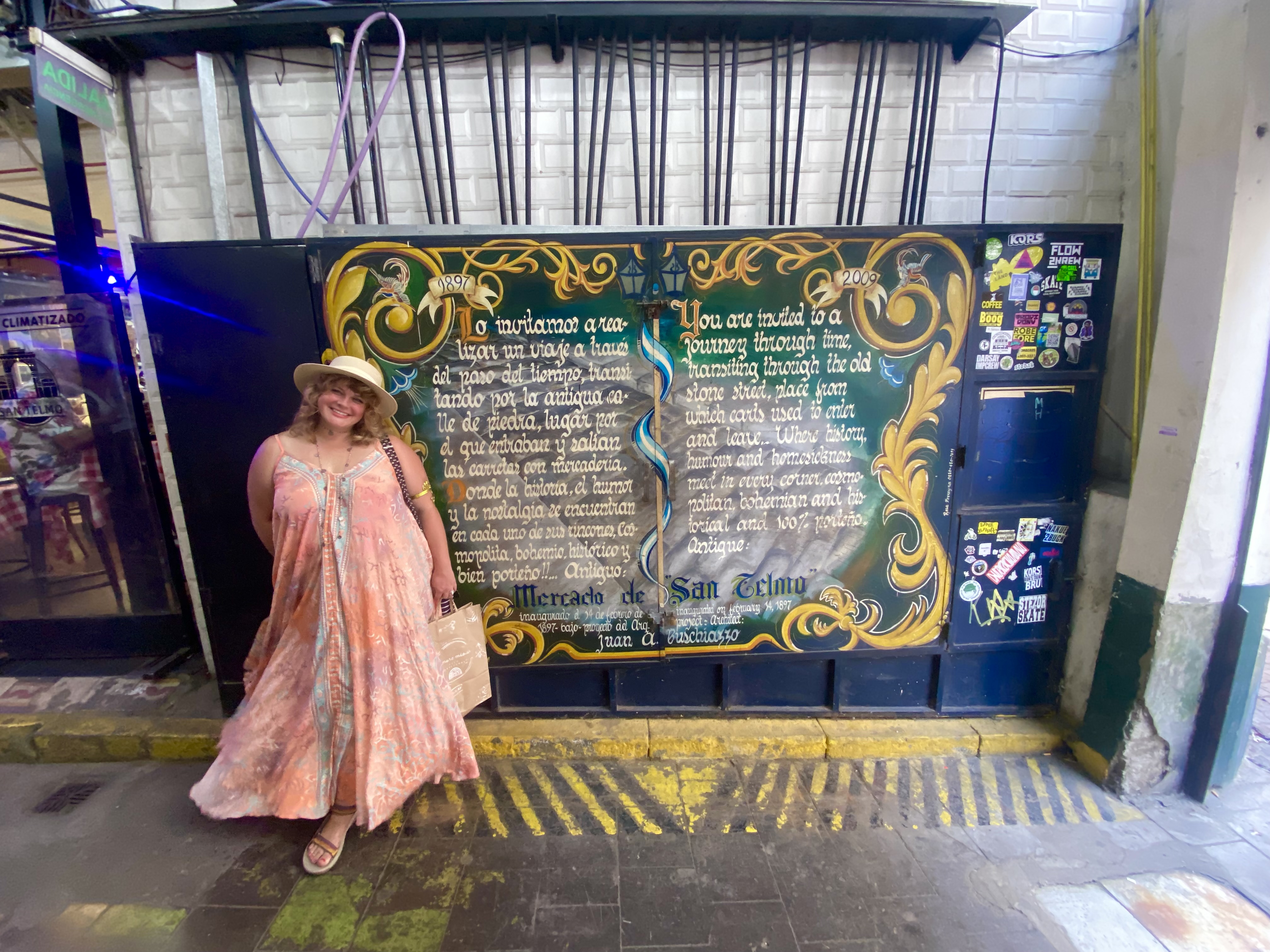
Make sure to stop by San Telmo’s artist and flea market on Sunday. It runs along Defensa Street. There’s also an indoor market called Feria San Telmo: this place is almost like an indoor cafeteria, and it’s a great place to grab a quick bite. Around San Telmo, there are plenty of vintage stores, curios, and indoor antique markets, so make sure to spend some time exploring!




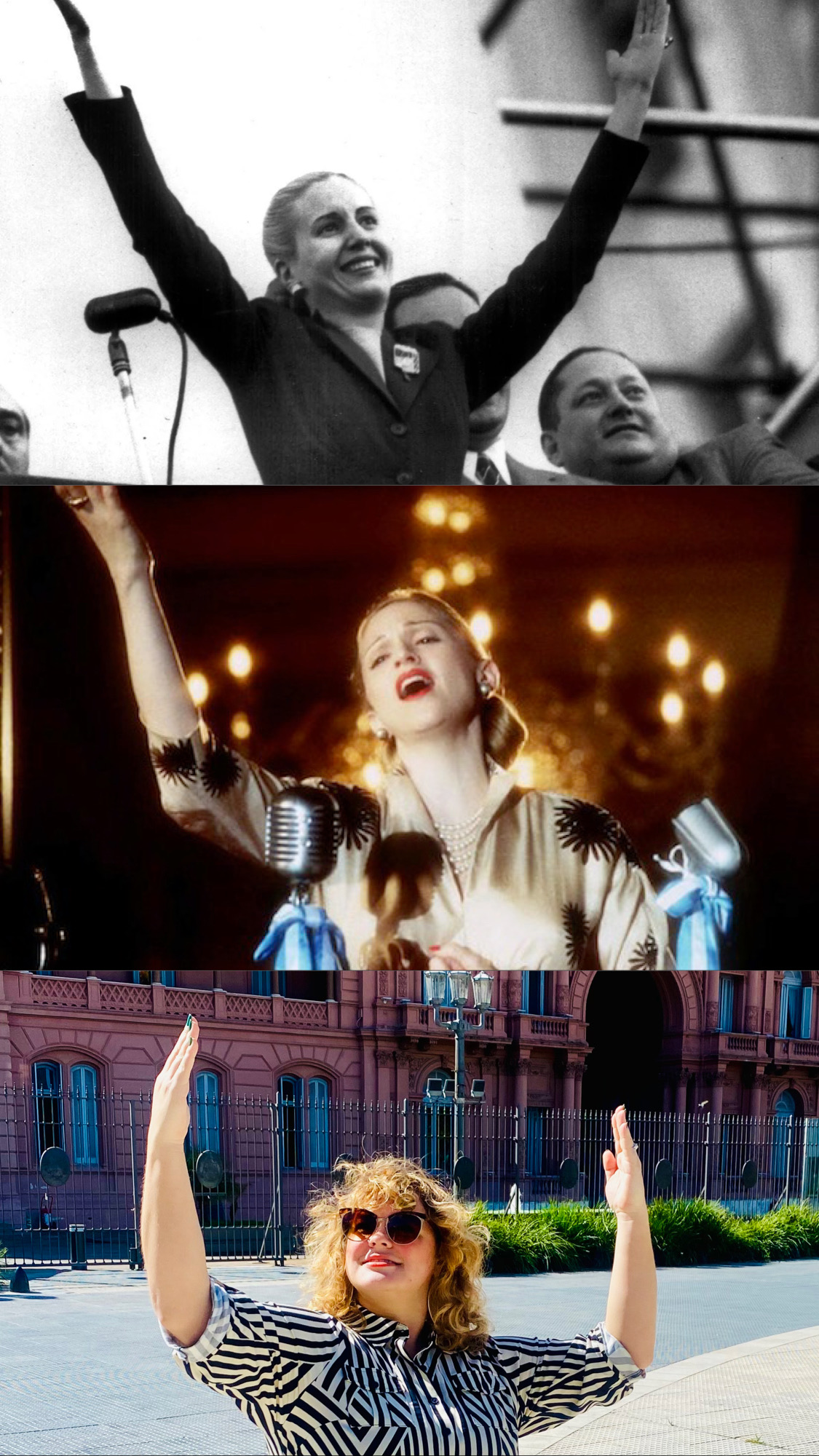
This isn’t really in San Telmo, it’s technically in the barrio El Centro, but very close by San Telmo is Casa Rosada, the “White House of Argentina” (except it’s pink). If you’re a child of the 90s, you might remember the movie Evita, starring Madonna and Antonio Banderas. Andrew Lloyd Webber, the guy who composed Phantom of the Opera, Jesus Christ Superstar, Cats, and Joseph and the Amazing Technicolor Dreamcoat—don’t ever say this guy pigeonholed himself into one genre—decided that a good follow-up to Joseph and Jesus was a musical about Eva Perón, the Argentine politician and wife of a fascist dictator. Anyway, Evita has this famous song, “Don’t Cry for Me, Argentina,” (which the Argentines embrace with as much fervor as the Austrians do “The Hills Are Alive With the Sound of Music”, which is to say, not at all) which she sings from the window of La Casa Rosada. So… you can go see that!

Recoleta – the musical barrio
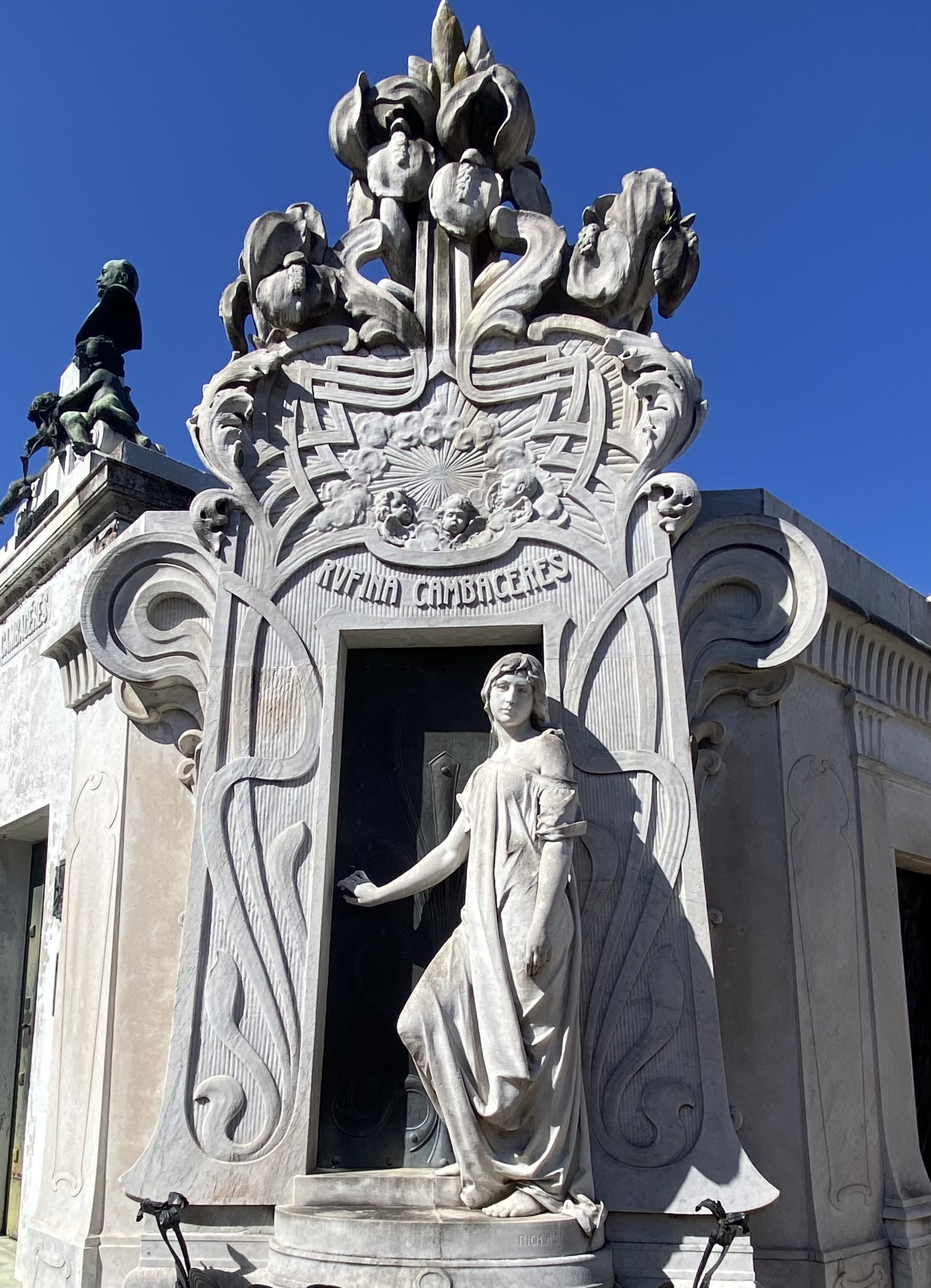
Eva Perón, or Evita, is buried in Recoleta Cemetery, which is the third-most-visited private cemetery in the world, behind Pere Lachaise in Paris (definitely worth the visit, every famous writer and composer is buried there, basically) and St. Louis Cemetery No. 1 in New Orleans (final resting place of Marie Laveau, the voodoo queen, also worth the visit). Is Recoleta Cemetery as cool as the first two cemeteries? Idk… it was pretty, and if you’re interested in Evita (or, in my case, you’re a theater nerd) you should go.
If you’re visiting Recoleta Cemetery, you should stop by El Ateneo Gran Splendid, which is a short walk away. This famous book store is located within a refurbished opera house. Pick up a book and stop for a coffee at the cafe!



Near El Ateneo Gran Splendid (and this makes sense why it’s an old opera house) is Buenos Aires’ version of Broadway. On Avenida Corrientes, there’s about seven blocks’ worth of theaters and performing arts centers, interspersed with old-style Italian pizzerias, and the theater district ends in Theatro Colón, Buenos Aires’ famed opera house. I’ve always wanted to see an opera at a real-deal historic opera house, and I really wish that we had planned ahead of time and purchased opera tickets, because when we were there, Theatro Colón was doing Aida, which… idk if you’re not an opera fan, it’s really, really famous. Anyway, tickets were SUPER sold out, so we just bopped around Palermo for the evening, but still. The FOMO hits me hard.
Puerto Madero – the dockside barrio
Alright, I’m only including Puerto Madero because every other travel blogger talks about it and it is a part of the Big Five Barrios, but… please skip this. Look, if you’re a millennial and you live an in up-and-coming-mid-size-city, you know the type of place I’m talking about. You’re going to be sitting on a horrible aluminum chair eating an $18 burger that is not good, you’re going to be listening to very loud, very bad house EDM, and you’re going to be surrounded by a lot of club rats in their early twenties who just got off of work. Puerto Madero is the dockside harbor of Buenos Aires, and everyone says “oh go to Puerto Madero, it’s so pretty, you can go to a bar alongside the river” but it’s not really a river, it’s like a dam lock. It’s just a rectangle of brackish water. The area was abandoned until the 90s, and then they built a business district there, so it’s just this couple of blocks with steakhouses and outdoor “Feed Me Tacos and Tell Me I’m Pretty”-type bars, and there’s skyscrapers. Also, there’s a ship from the 1800s. I can see this area being fun for locals, but why did you fly ten hours to the actual bottom of our planet to go to this –>

SIDEQUEST: IGUAZU FALLS
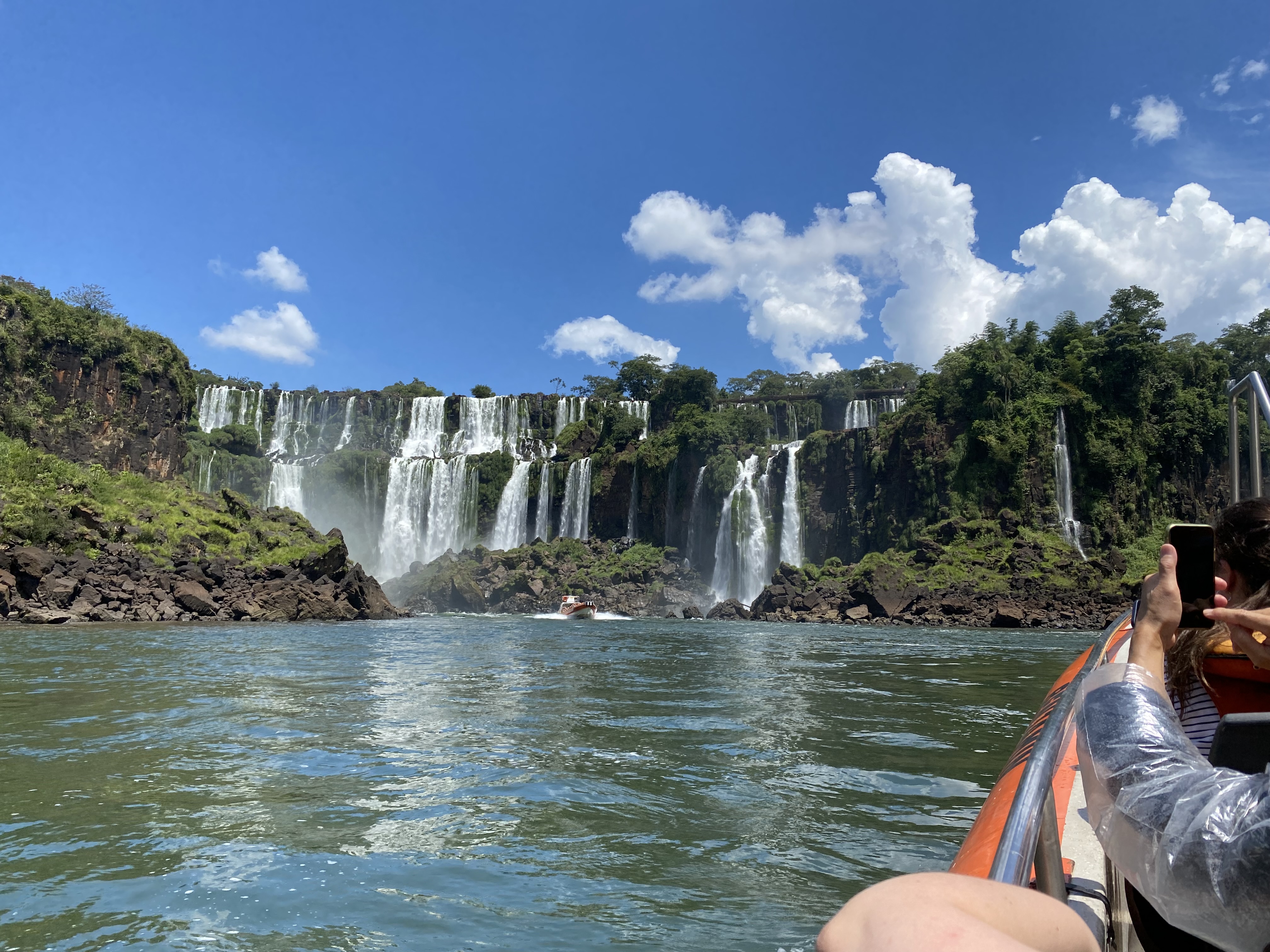
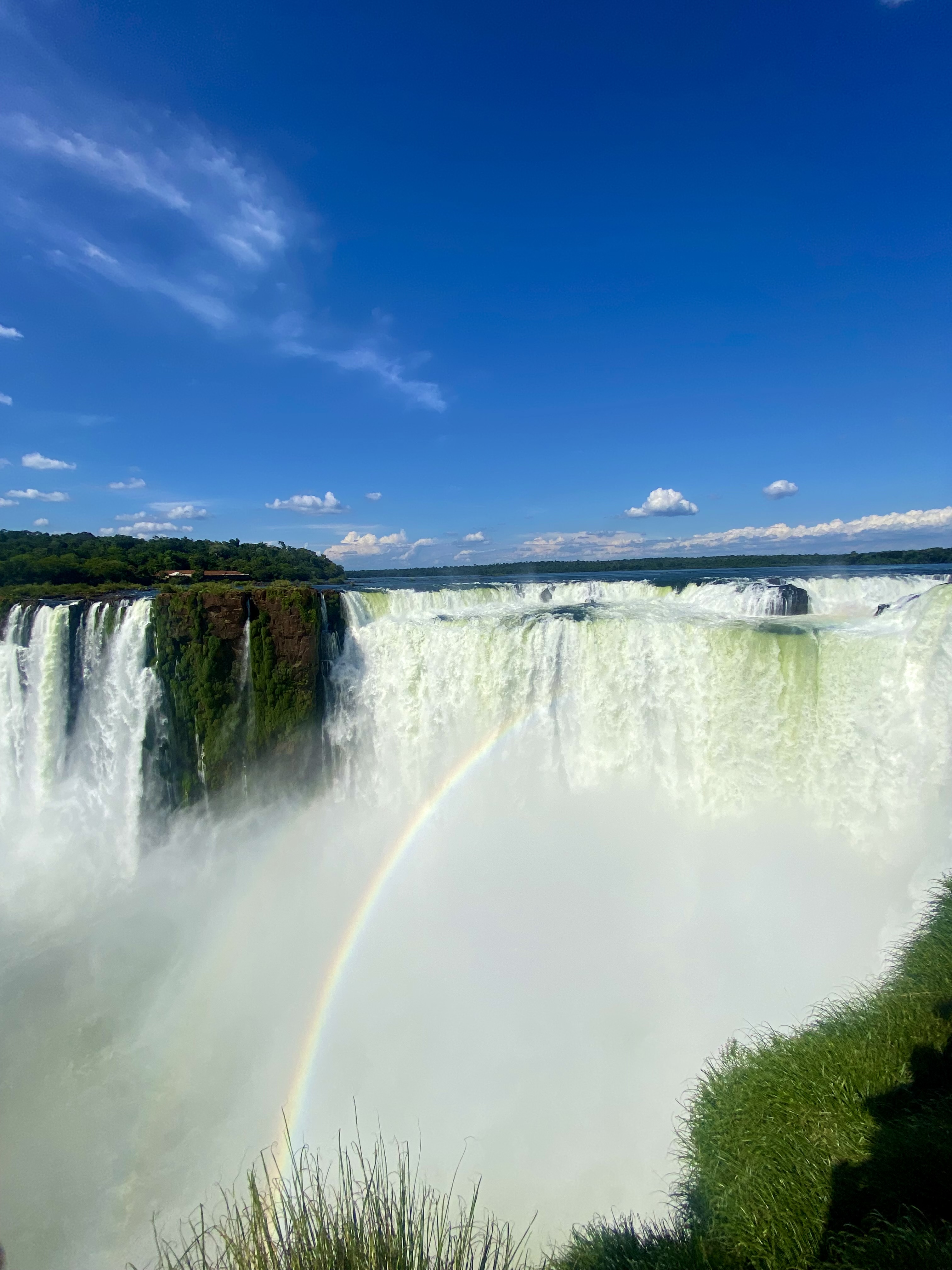
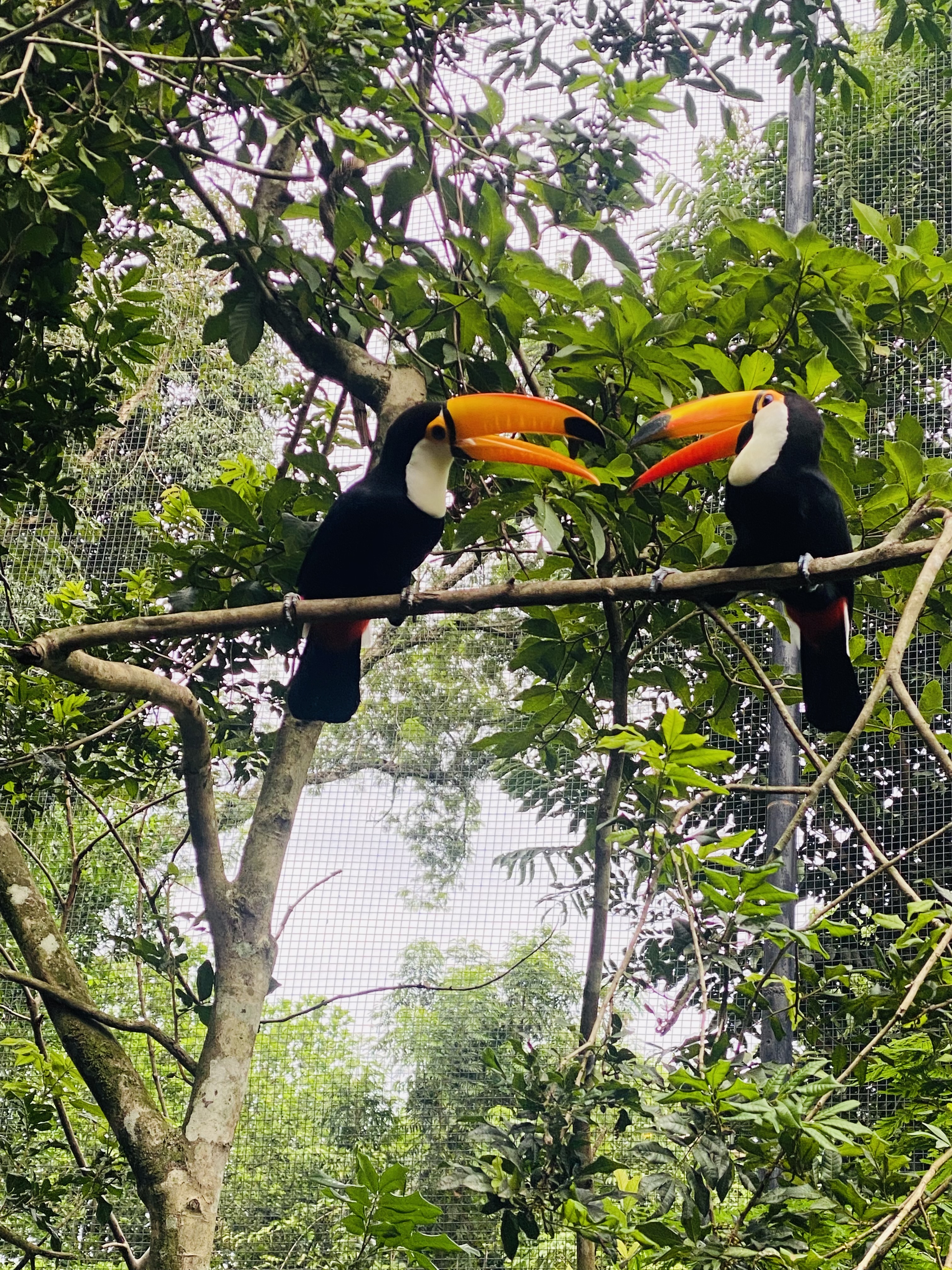
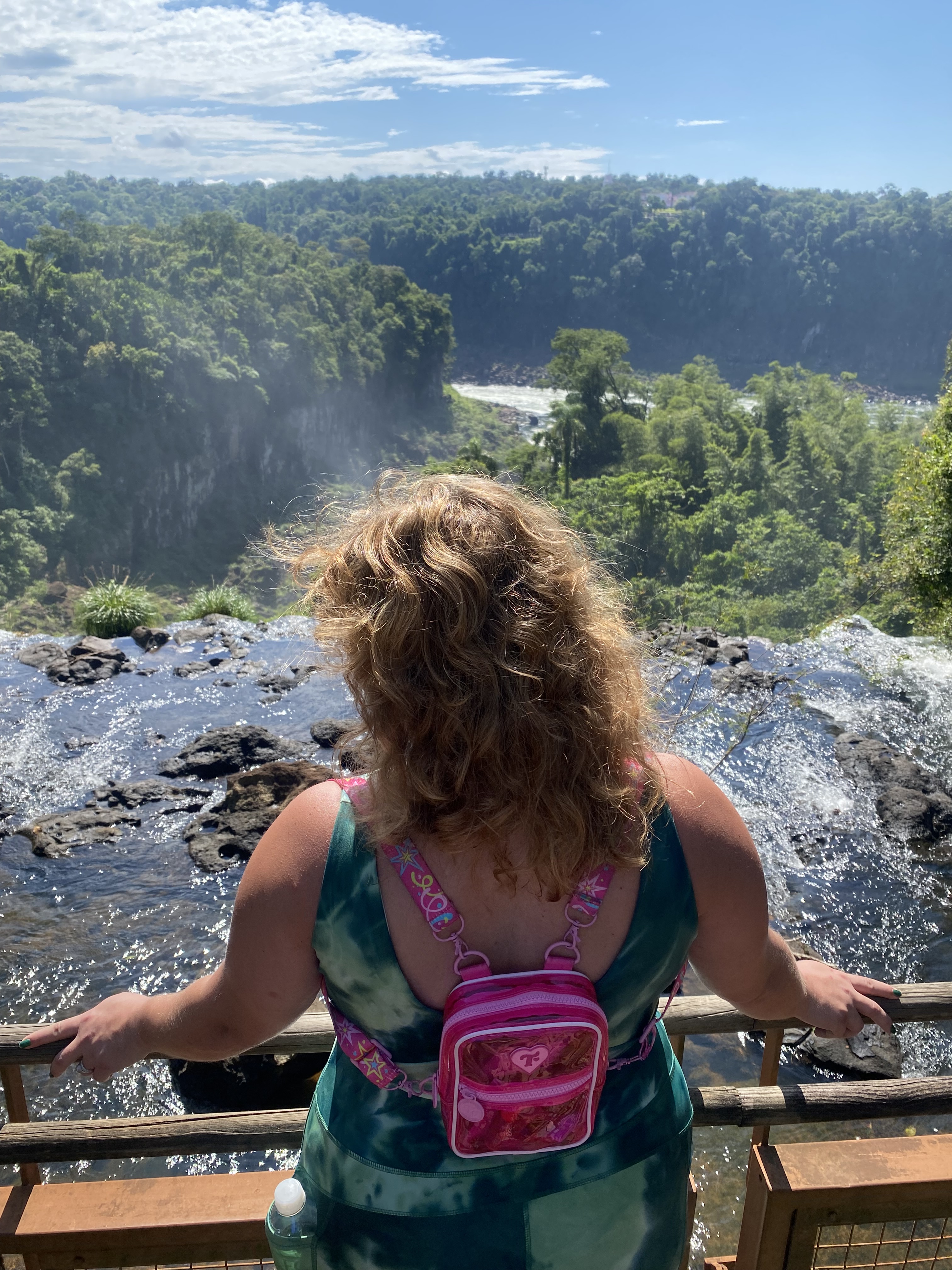
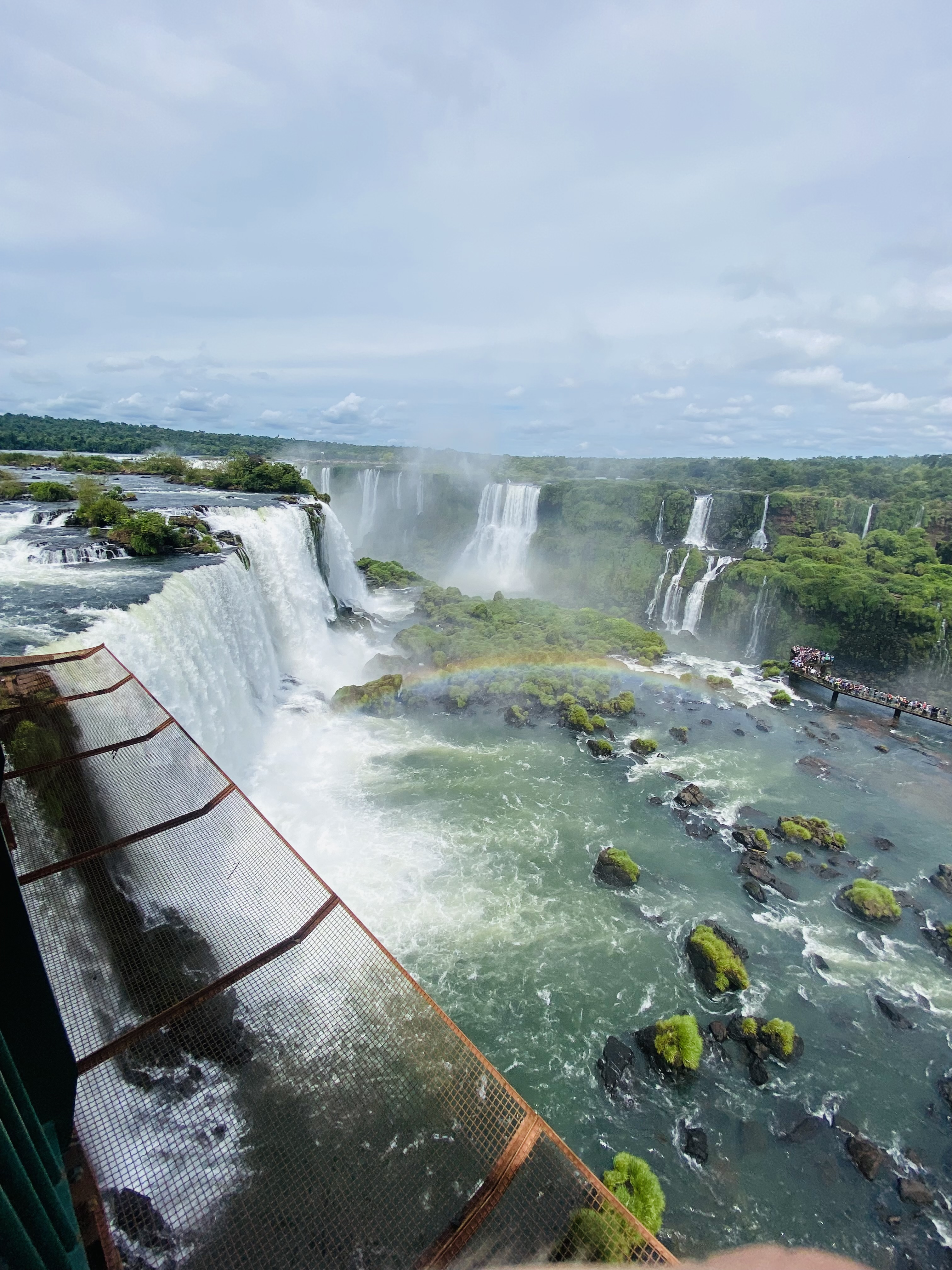
I mean, why DID you fly ten hours down to the bottom of the planet, if not to see something truly spectacular? I would recommend dedicating half your trip (four days, technically, but two of them are half days for travel) to seeing Iguazu Falls, or Foz do Iguaçu. We used this GetYourGuide link and booked a three-day trip to the Atlantic Rainforest. Iguazu Falls, a mammoth series of interconnecting waterfalls ending with a semicircular 270-foot waterfall called Devil’s Throat, is split between Argentina and Brazil. The Brazilian side of the national park is a narrow, easy hike where you see (and, more importantly, photograph for Instagram) all 275 waterfalls. The Argentine side is larger and allows you to get all up on the waterfalls. There’s also hiking trails where you can see toucans, jaguars, coati, and capuchin monkeys, all native to the area. The GetYourGuide tour includes airfare (a short, two-hour plane ride), a private driver who will help you through passport checks as you cross the border between Argentina and Brazil, and a hotel. I would like to do a longer post about Iguazu Falls, so that’s all I’m going to say for now, except definitely include this side trip on your Argentina journey!




WHERE TO EAT
I can’t believe I’m saying this, but Argentina loves meat even more than we do. The cattle industry is a major boon to Argentina’s economy, but they don’t just love beef. You can catch Argentines eating chicken, pork, and beef, sometimes all three in one meal. Seriously, if you’re a cardiologist, you would make BANK opening a practice down here. A common meal (I’m talking they eat this for lunch, y’all) is a parrilla mixta, or “mixed grill”, where you get skirt steak, chicken or pork cutlets, flank steak, and a chorizo link sausage. Take my advice: don’t order a parrilla mixta unless you’re planning on splitting it with someone. And be ready for a serious case of the meat sweats.
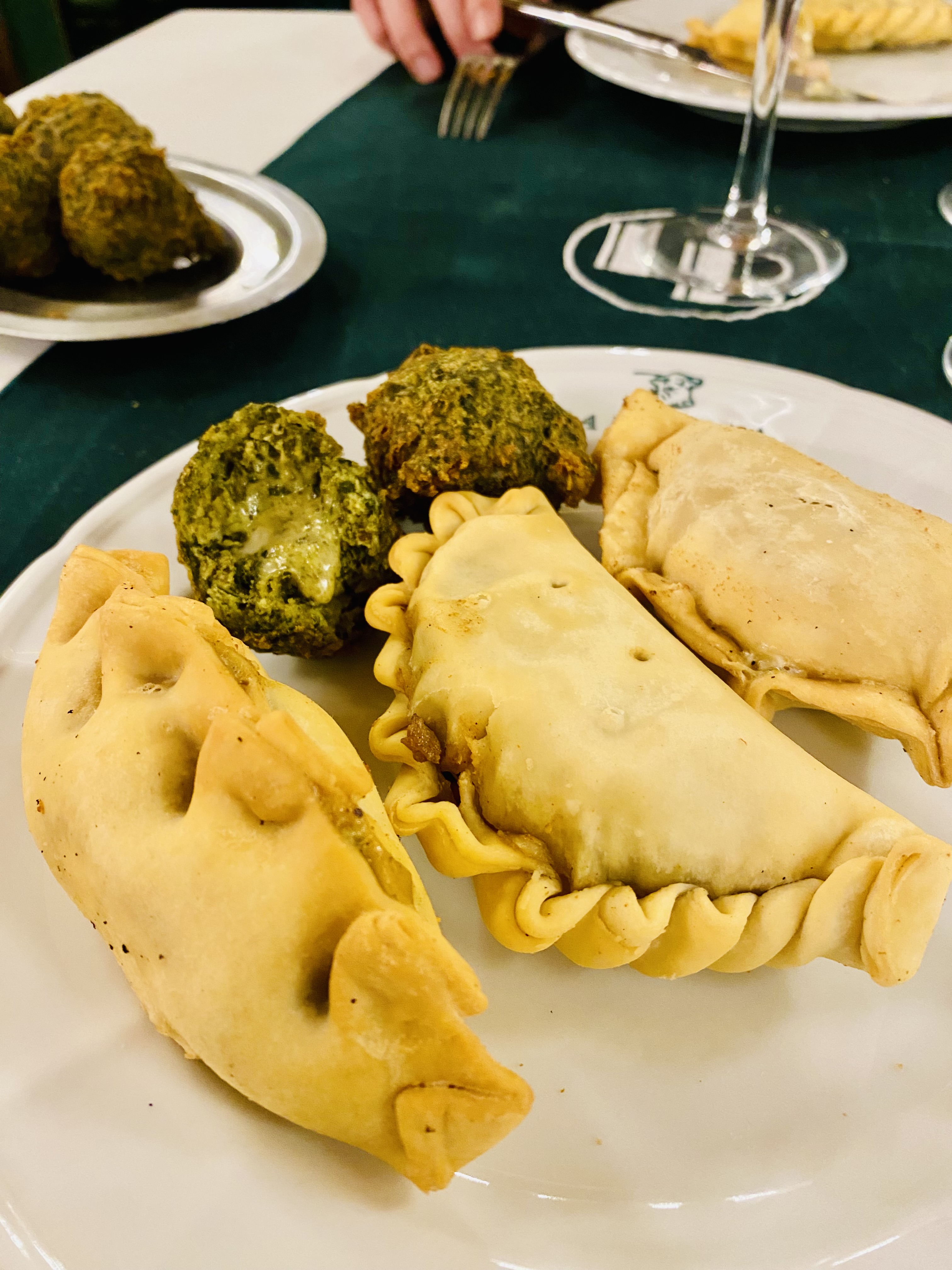
Empanadas are the national treat of Argentina. Just in case you’ve never heard of one, it’s like a tiny meat calzone with a flaky, buttery crust. Get all the flavors! Most empanada houses will offer these flavors: beef and onion, ham and cheese, chicken, and a seasonal vegetarian option. When we went in March, it was autumn in South America, so I had a lot of pumpkin and squash empanadas, corn and cheese, and zucchini and pepper.
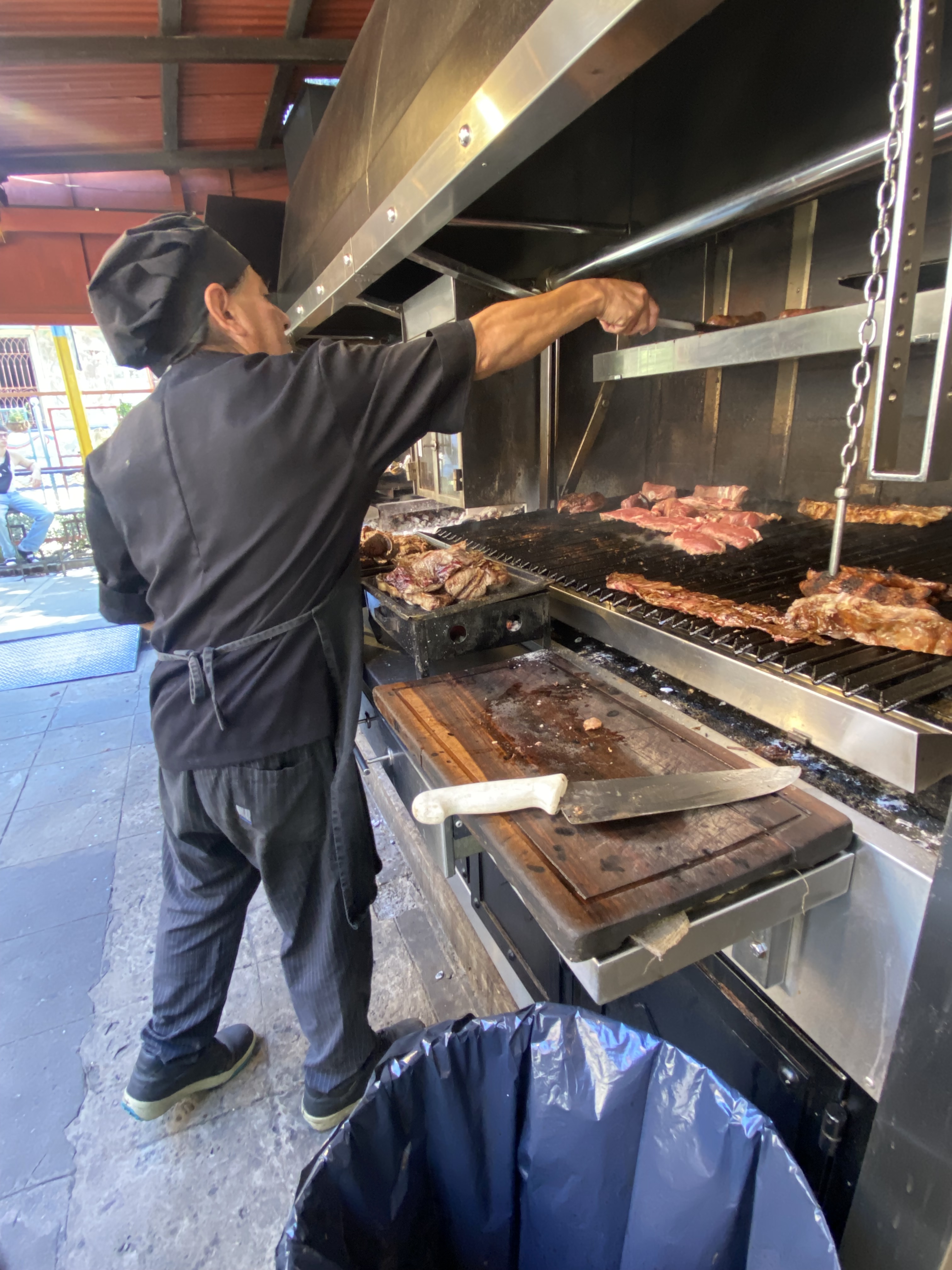
It will be impossible to miss, because the smell will make you float on the air toward it like a Looney Tunes character, but don’t pass up the chance to try choripán, the sexy muscular cousin of a bratwurst on a bun. Choripán is a big, swollen, glistening link of chorizo, fresh and sweaty from the grill and nestled in between the softest French bread baguette, topped with chimichurri and salsa criolla. You bite into that thing, be prepared for the juice to dribble down your chin, your wrists, the front of your shirt, but you won’t be sorry.
Beware: Argentines love meat so much, as I said they love meat more than us, that sweetbreads are a common menu feature. If you’ve never had sweetbreads, it’s not a yummy yeast roll with honey butter from Texas Roadhouse. Sweetbreads are organs like kidneys, livers, intestines, etc. If you’re feeling adventurous, try them! I’ve been on a quest to try chitlins (chinchulines) for a long time, and I finally got to try them in Buenos Aires, and I loved it!
Here are some restaurants I would recommend trying during your stay in the city:
Palermo
Don Julio. Argentina is famous for its steakhouses, seriously some of the best beef in the world, and this is THEEE steakhouse of Buenos Aires. I would definitely make a reservation to come here; the prices were very reasonable for such a world-famous restaurant. Get a bunch of steaks and split them with your party. A word of caution for my fellow steak-lovers: a lot of traditional Argentine steakhouses are purists about their meat, so some steaks may not be as seasoned and marinated as you’re used to. I got a tomahawk steak for the first time in my life, and it was really good, but… honestly the sirloin was more flavorful.
Fogón. Okay, if Don Julio is Derek Zoolander, then Fogón Asado is Hansel. The new kid on the block, flashier, more versatile, some folks are saying better. Fogón centers around two dining experiences: 1) a nine-course tasting menu featuring traditional Argentine specialties served in a haute cuisine way, or 2) a special menu prepared tableside by the chef, exclusively for only ten people. There are multiple Fogón locations in Palermo, and if you make a reservation early (I make mine months out, like when we’re buying plane tickets and booking hotels), you should be able to reserve whatever you want.
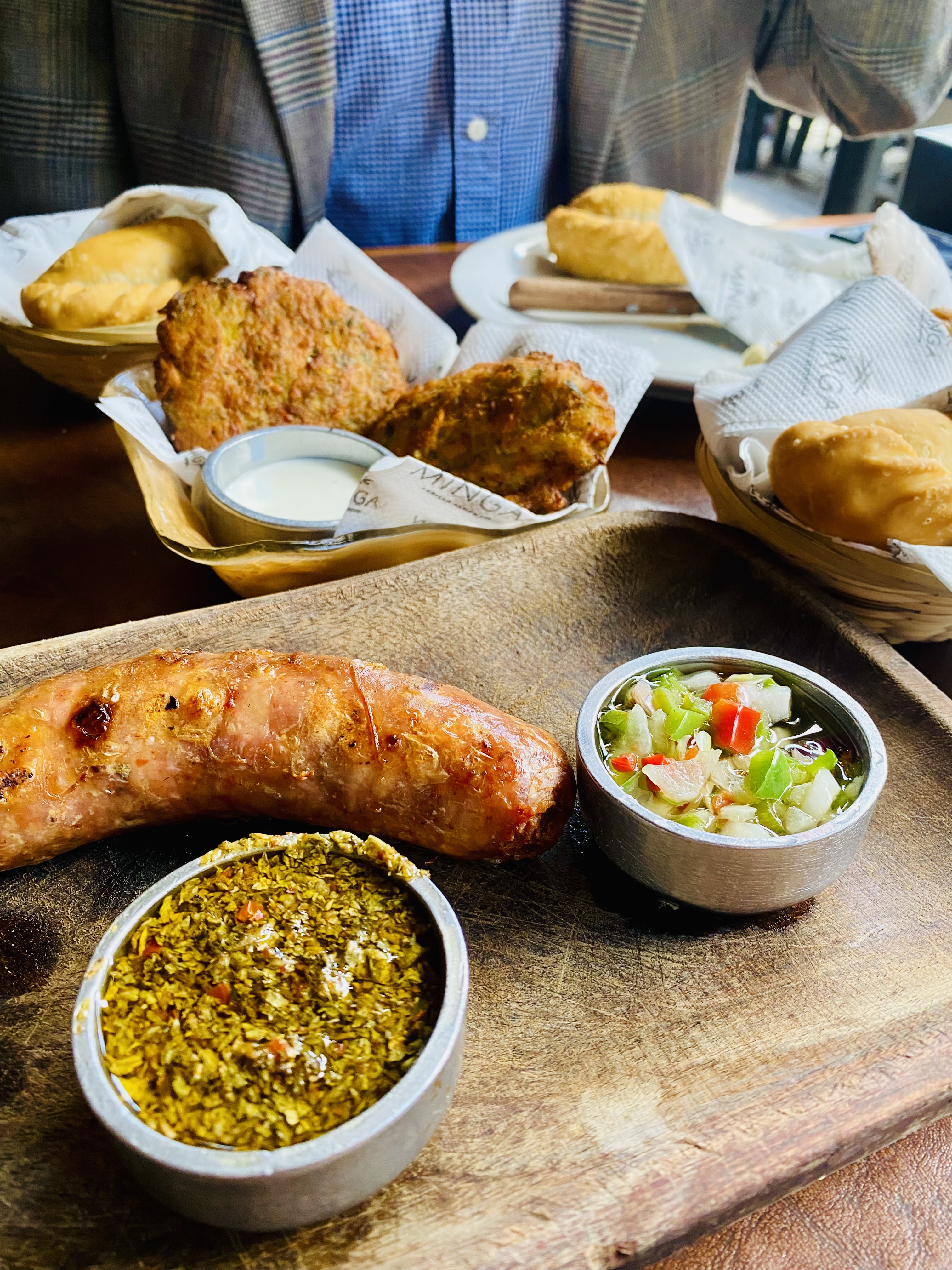
Minga Parilla. Alright, enough with the fancy stuff. Minga Parilla is a great Argentine restaurant that offers super flavorful dishes at a fraction of the price of upscale Palermo steakhouses. Skip the full-on meal and order a bunch of small plates: empanadas, chorizo, zucchini fritters, flame-grilled bell peppers, salty fried cheese “provoleta”, etc. etc. And don’t forget a nice, tall pint of Patagonia Amber, a lager fresh from the Patagonia mountains. This restaurant offers al fresco dining and is next to one of Palermo’s many parks.

Fuego y Vino. If I’m being real, between Argentina and Brazil, I ate at a LOT of steakhouses. I ate at a steakhouse pretty much every day. (And I ate nothing but salad for a week afterward as penance.) Please don’t tell anyone from Buenos Aires this, but if you’re looking for a really flavorful steak, you should hit up a trendy restaurant rather than an old mainstay. Fuego y Vino was my second-favorite restaurant in Buenos Aires, and it was nearly a tie. Cozy, al fresco dining, surrounded by mammoth tropical potted plants and romantic hanging vines. The service was excellent, seriously so friendly, and the steak was the best I had in Buenos Aires. Well-marinated, flavorful, cut like butter. This is also where I tried chitlins!


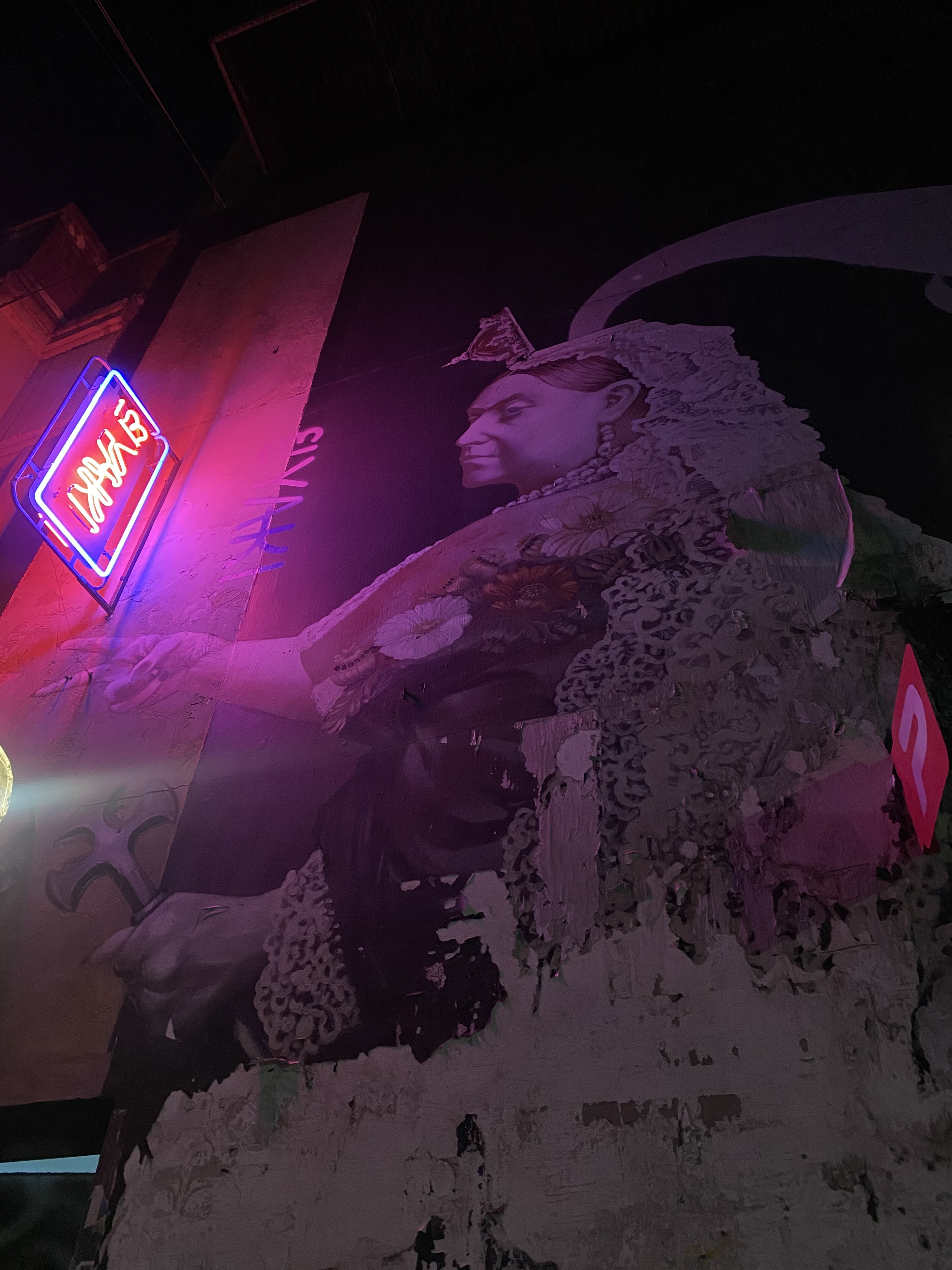
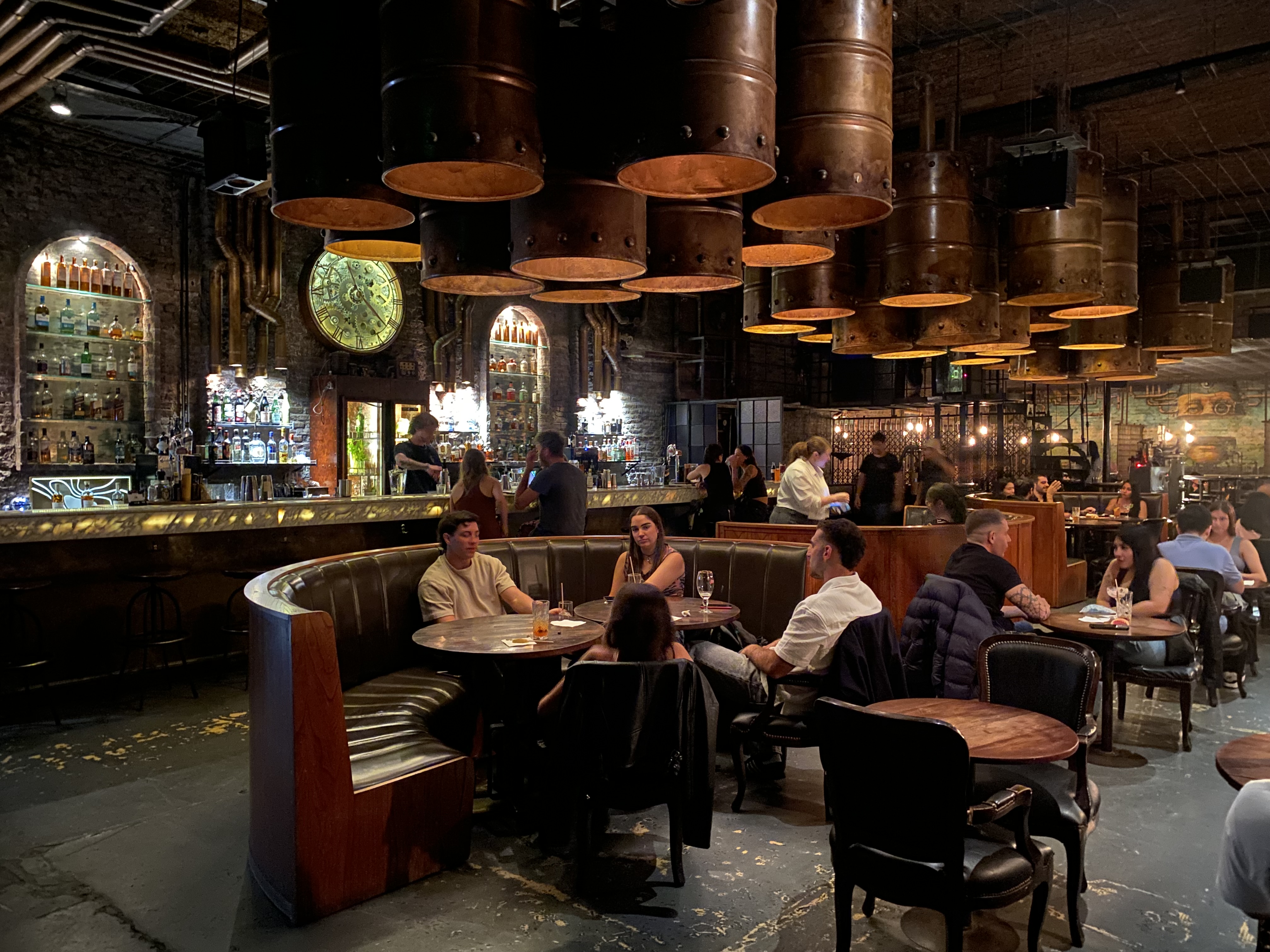
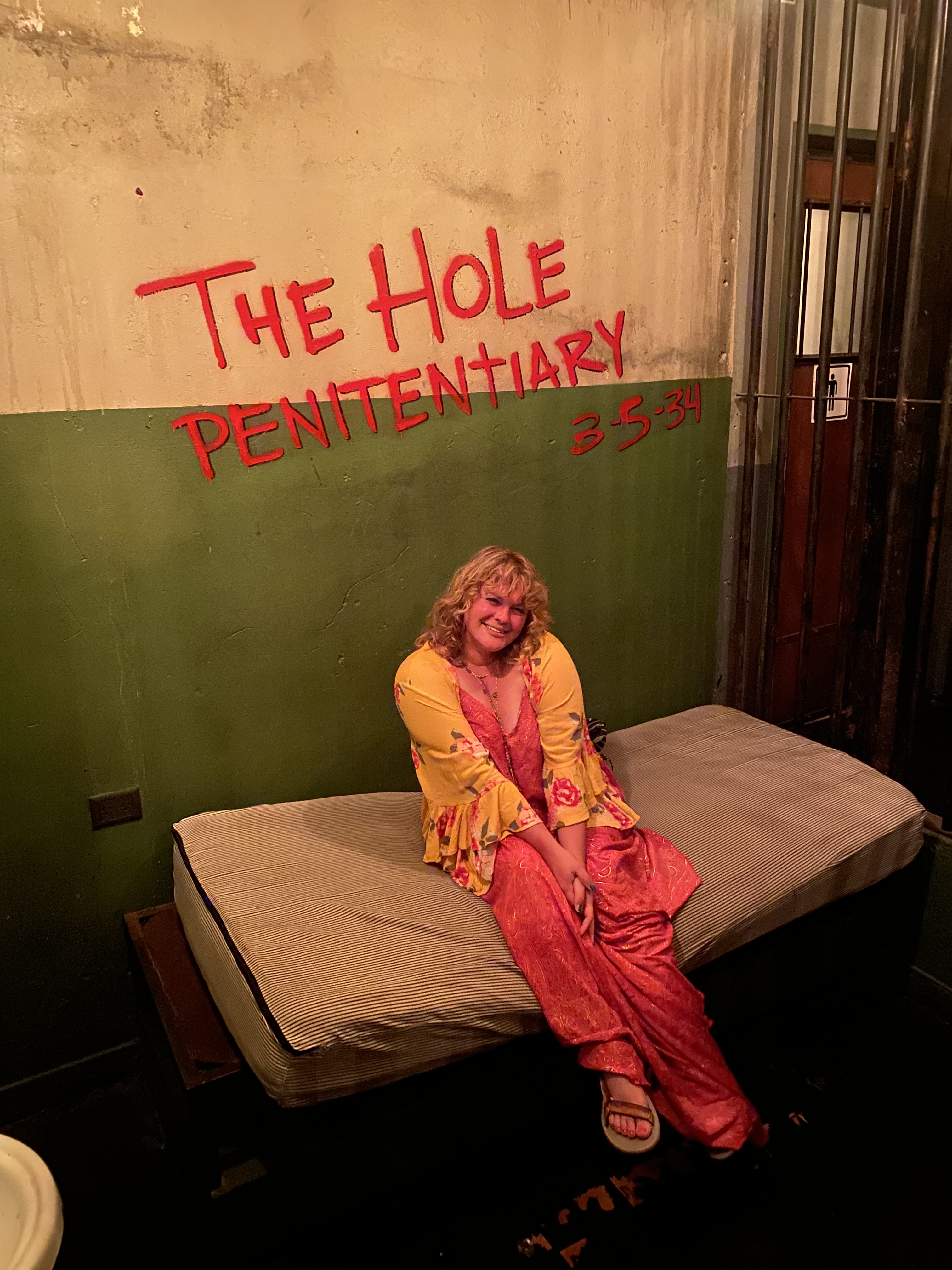
Bars. There are a lot of fun speakeasies and themed bars in Palermo. Two worth trying are Victoria Brown, a steampunk-themed bar and gastropub, and The Hole, which was an Alcatraz-themed speakeasy. Now, I know you’re like “ehh, I don’t want to go to like an American bar if I just traveled all this way from America,” but for real, it’s worth going just because of the commitment to the bit. Before you enter the bar, which *on God* looks EXACTLY like the inside of Alcatraz, like where Birdman’s cell was, you go through this prison shake-down antechamber, and then you get your mugshot. All the servers are wearing orange jumpsuits, and the cocktails are gangster-themed and delicious. Try the Most Wanted, which is like a passion fruit caipirinha served in a real glass flask.

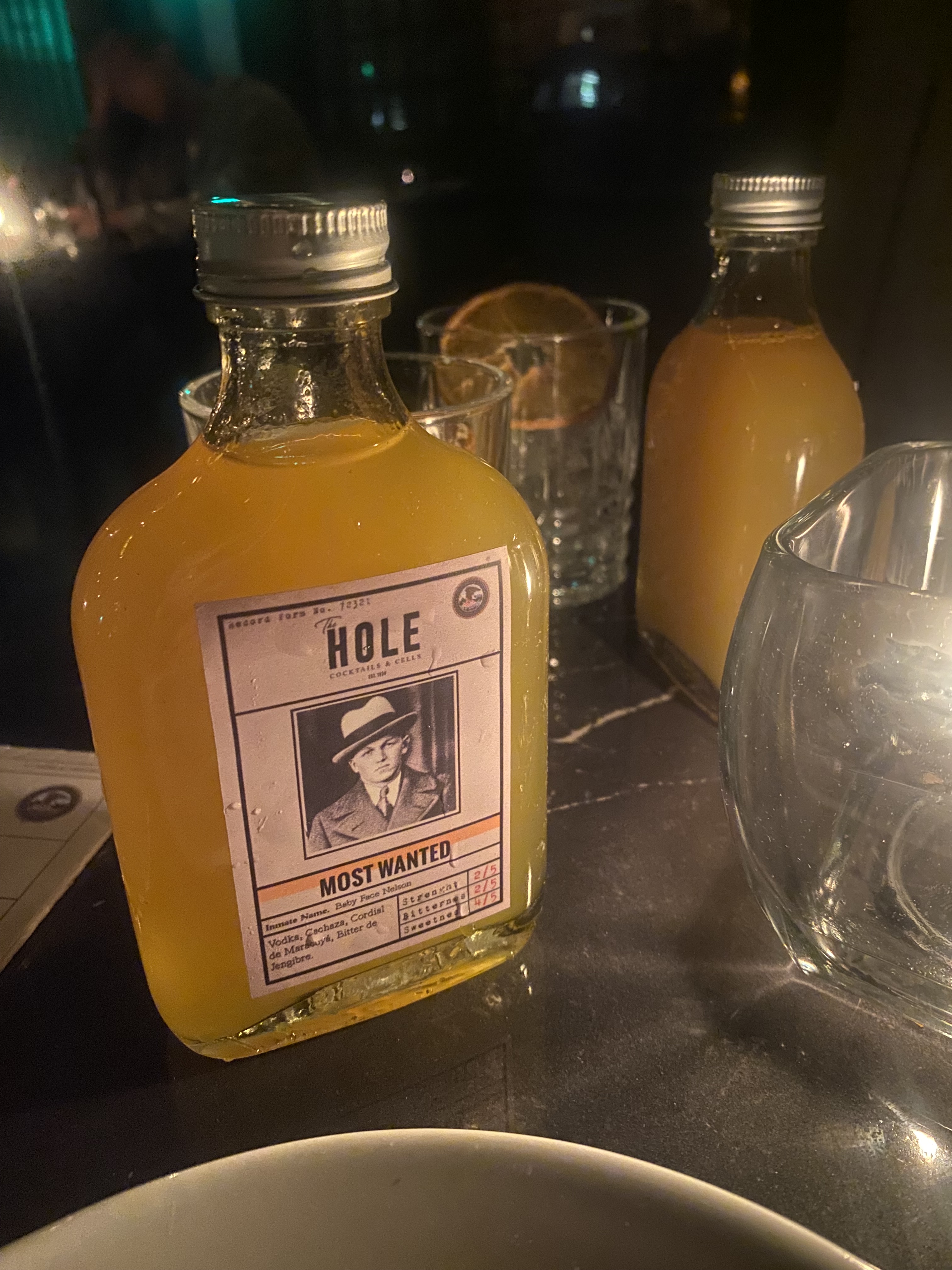
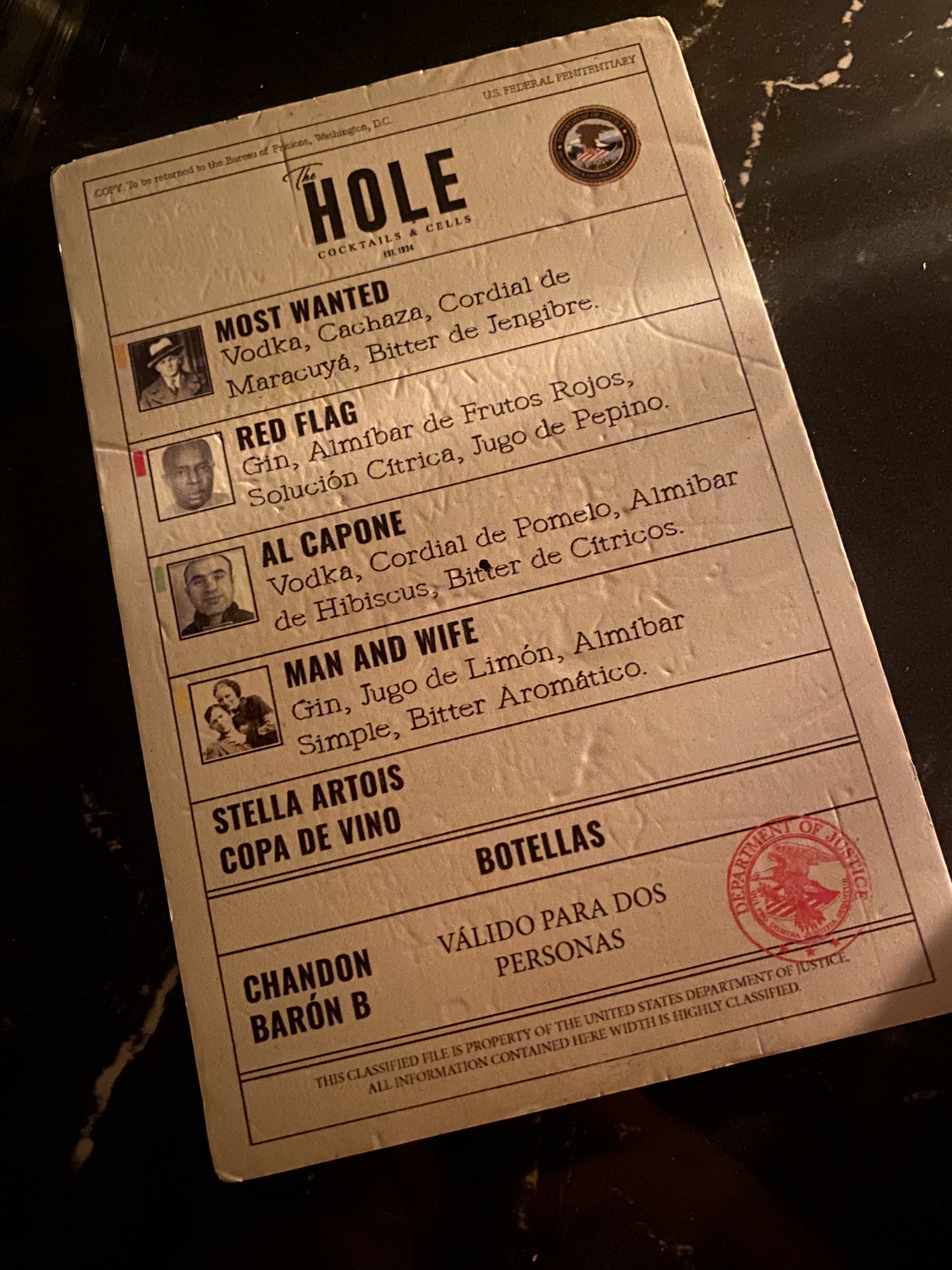

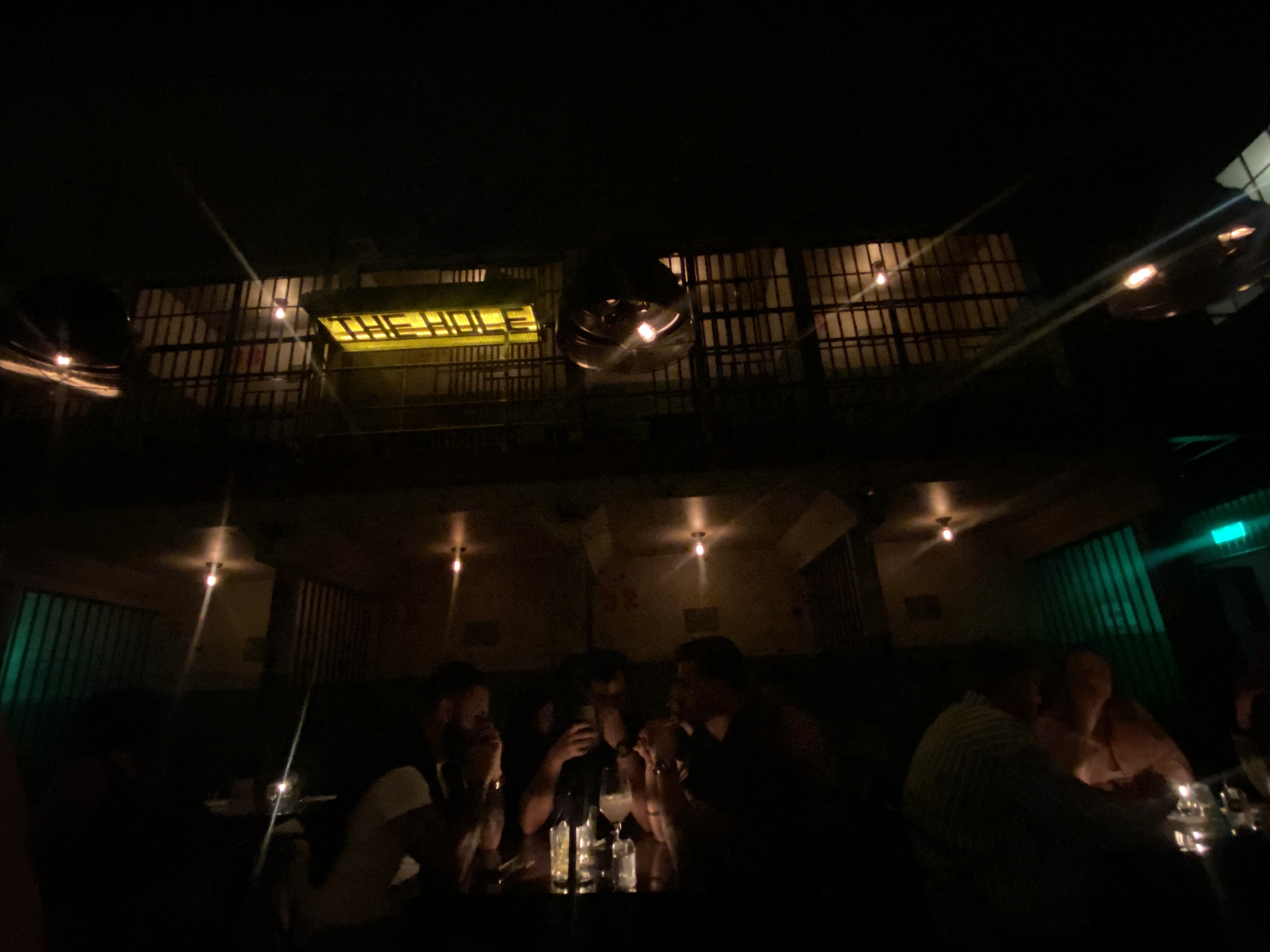
If cocktails aren’t your thing, grab a beer at Temple Bar in Palermo Soho. There’s live music in the evenings and mambo dancing in the streets.
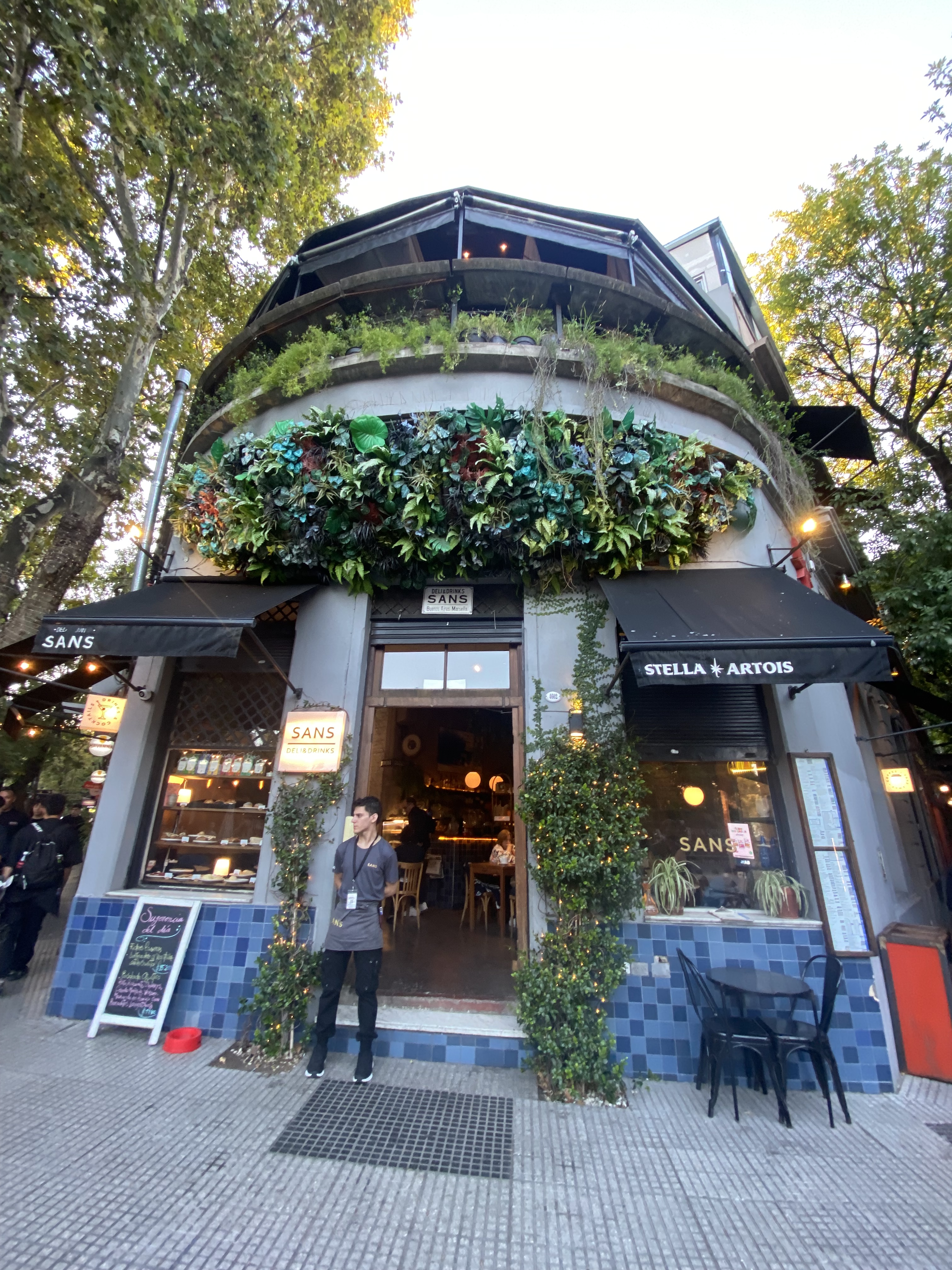

La Boca
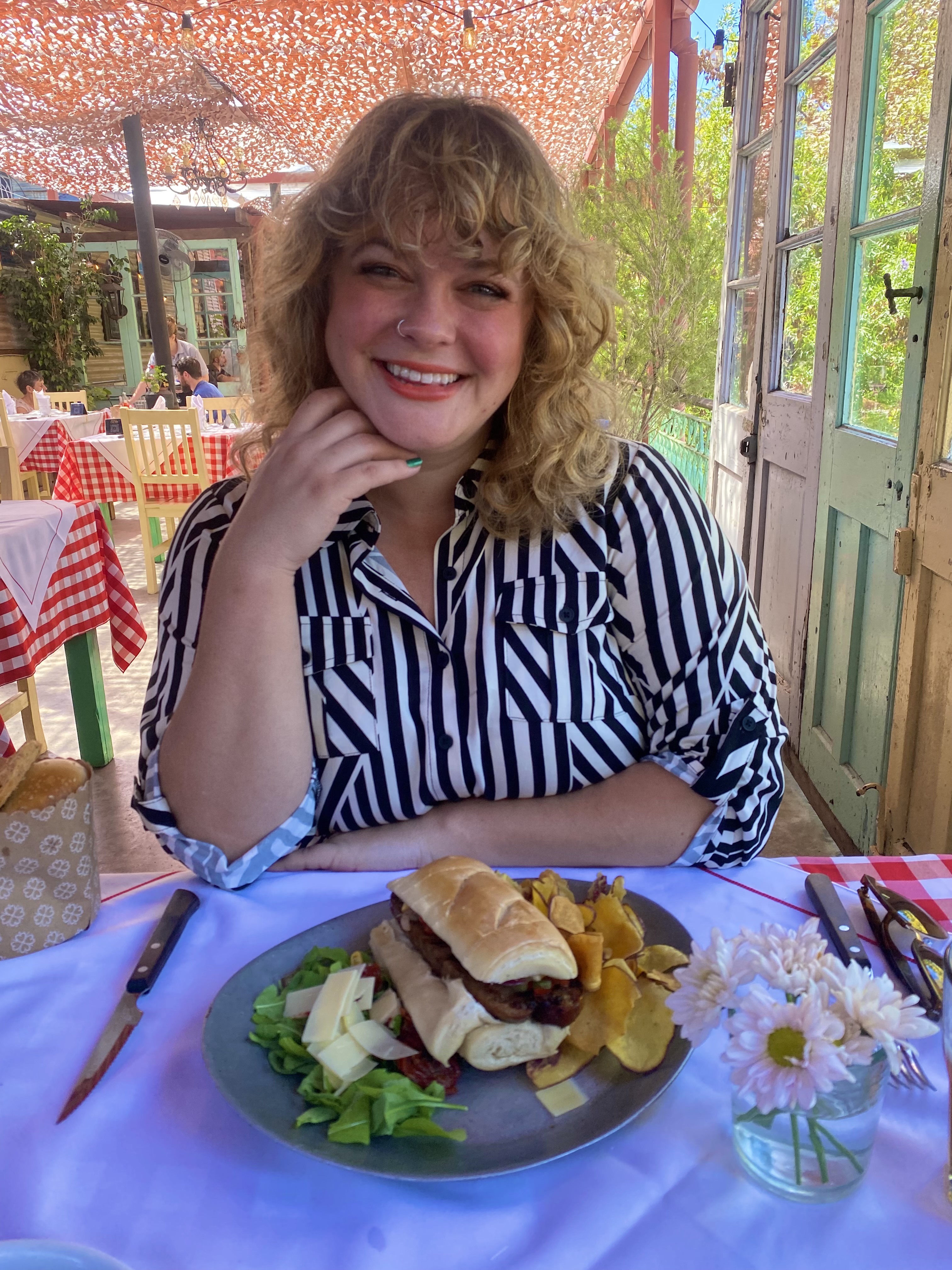
El Gran Paraíso. My favorite restaurant for the whole trip. This is an al-fresco parrilla-style restaurant nestled in the alleyways of Caminito. You can either dine under the shade of lush trees, in the dining salon which is connected to an artist’s tenement treehouse from 1890, or on the second floor, overlooking Caminito. Once again, the service was great, so friendly. While it was tempting to get a parrilla mixta, we settled with choripán, and we were not disappointed. SO flavorful. The experience of dining above the colorful buildings, eye-line with the trees gently swaying in the breeze, was downright idyllic.



Don Carlos. So, remember earlier, when I said there were a lot of Italian immigrants that came in during the late 1800s, as evidenced by all the pizzerias and Italian restaurants in the city? Italian influence is very strong in Buenos Aires, especially in La Boca. It’s kind of weird for me to recommend an Italian restaurant in this blog about Argentina, but Don Carlos is truly a one-of-a-kind dining experience, and you could definitely skip eating steak and chorizo for ONE meal just to go here.
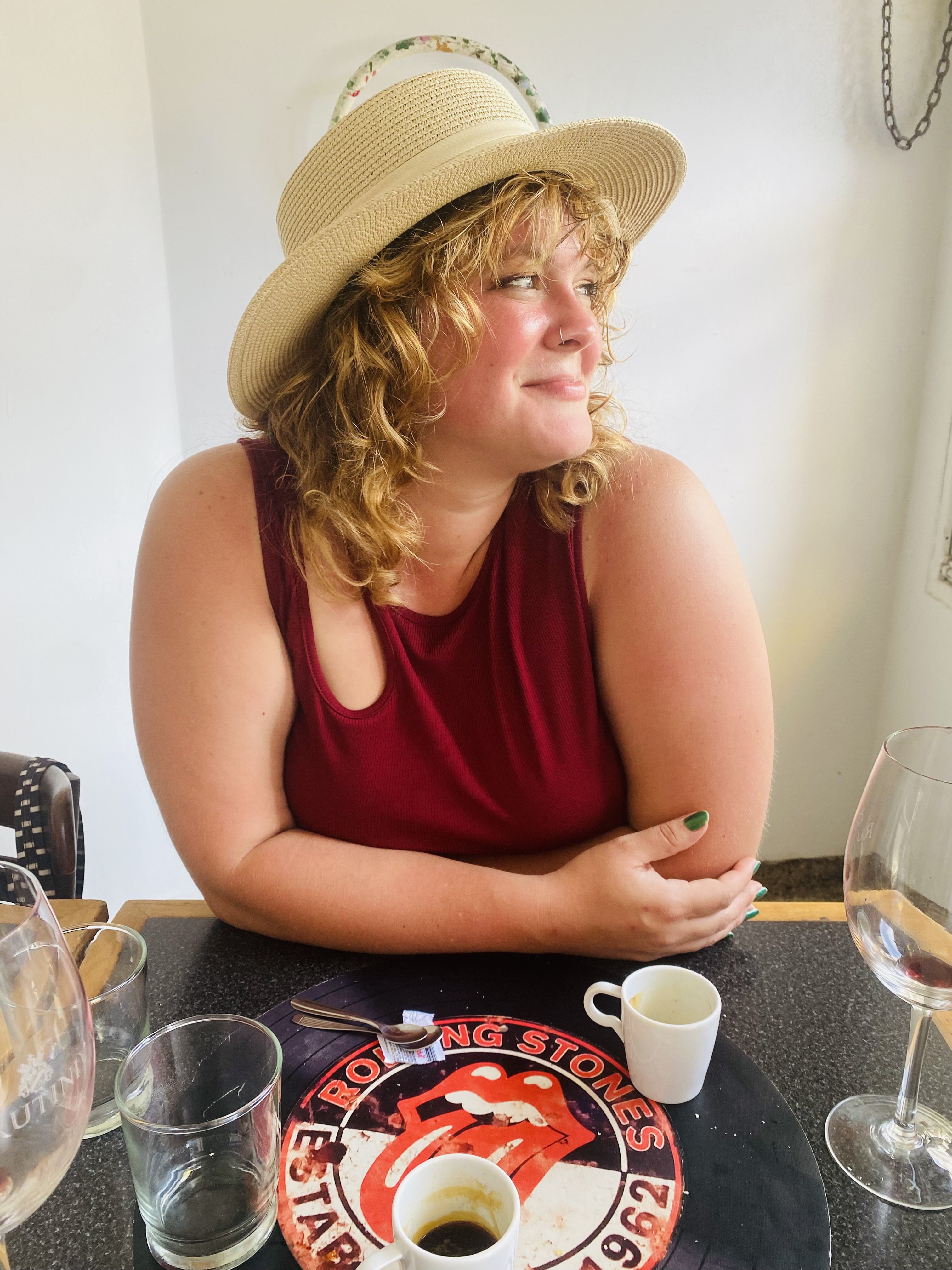
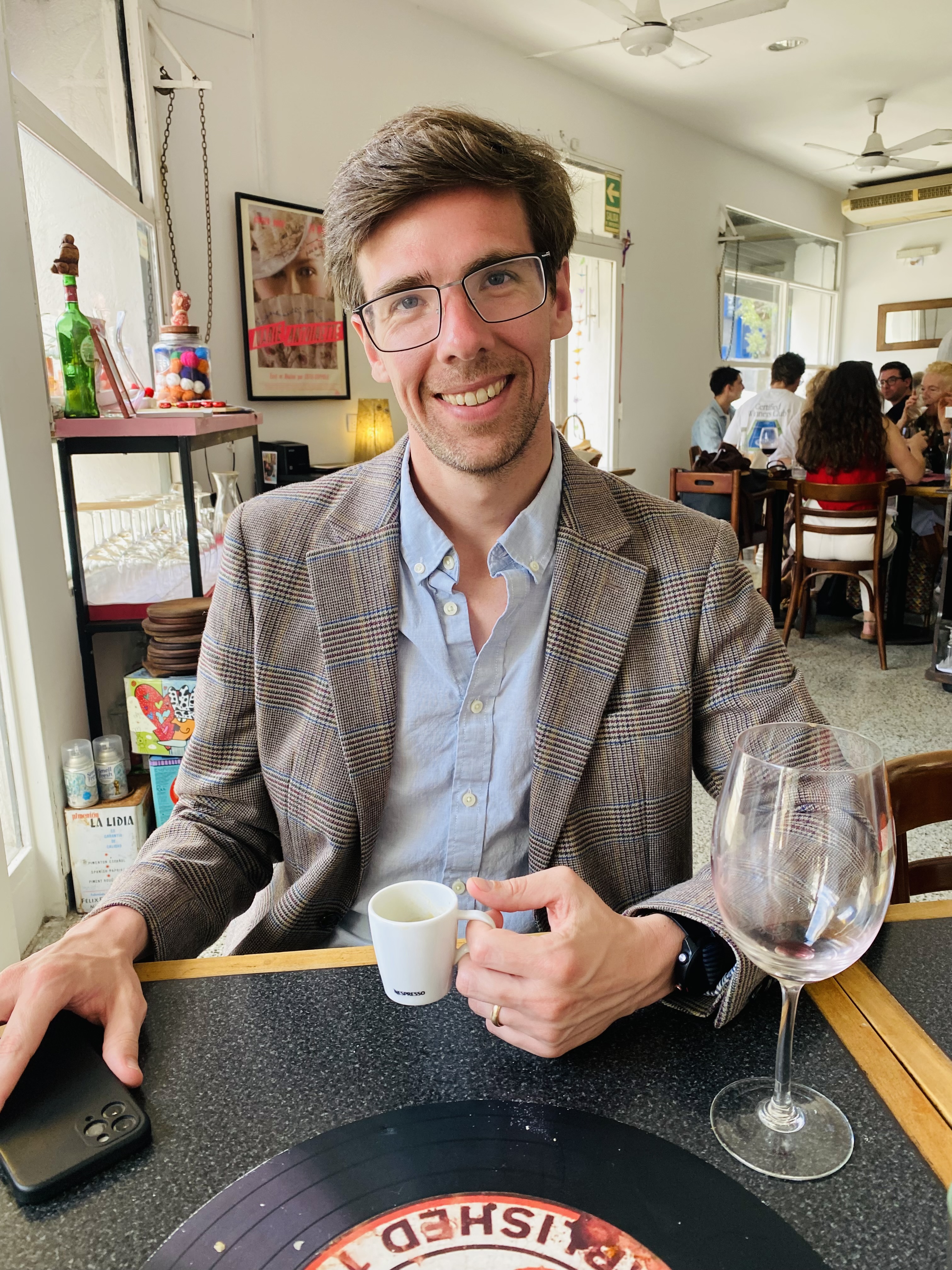
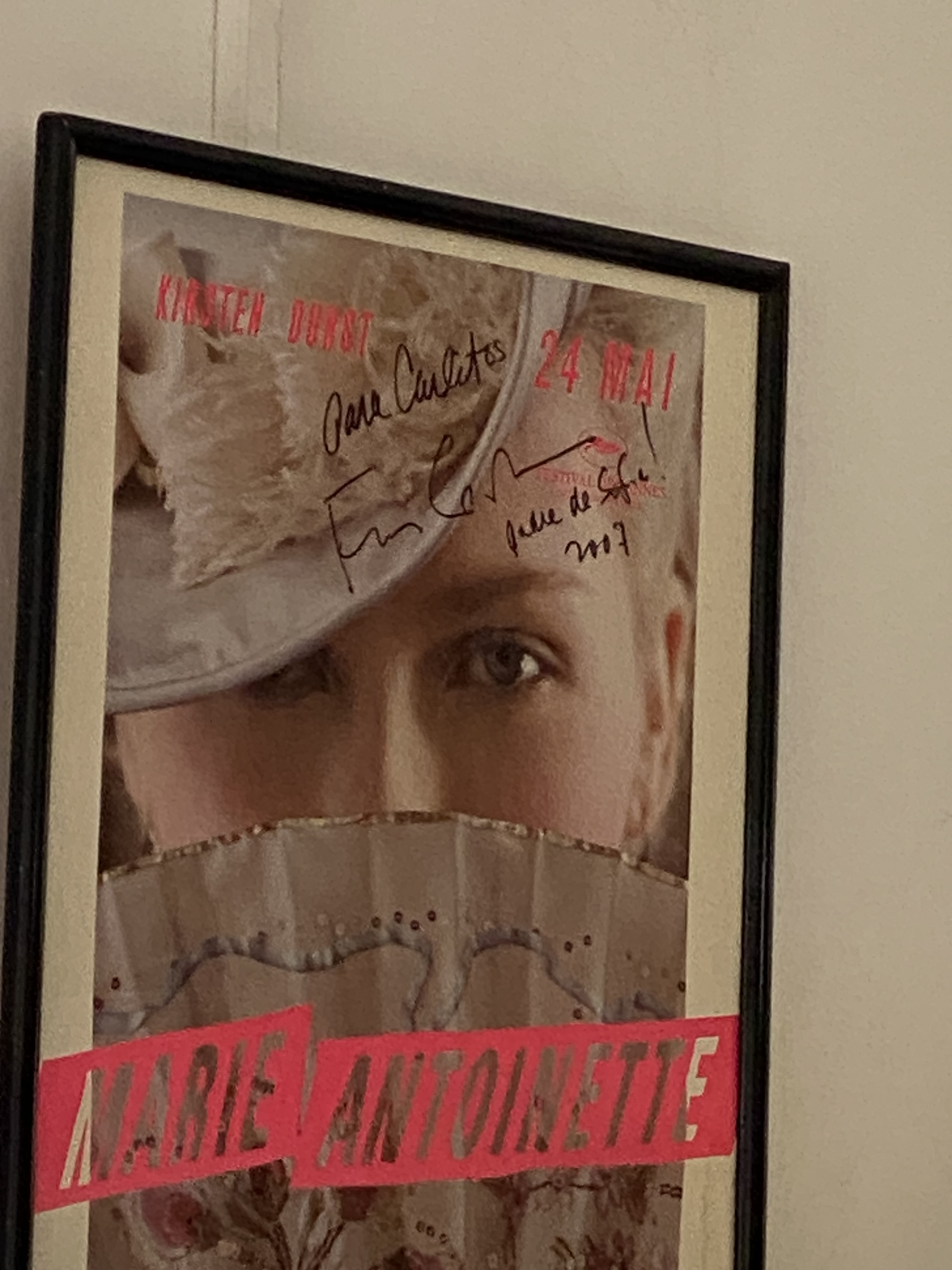
Don Carlos is an older man who guards the door, which is right across the street from La Bombodera. (Such prime real estate!) It looks like a dive bar, but Don Carlos has hosted celebrities from all over the world. This is Francis Ford Coppola’s favorite restaurant in the city. The Coppola family is friends with Don Carlos’ family, and they message on WhatsApp all the time. A poster of Marie Antoinette, signed by Francis Ford Coppola, hangs on a wall among a mishmash of other humble decorations. There are Rolling Stones-themed laminated placemats. An Andy Warhol poster—SIGNED BY ANDY WARHOL—sits next to the counter.
Don Carlos’ method is simple: there is no menu. He’s just gonna bring out plates in the traditional Italian style: amuse bouche, antipasti, pasta course, meat course, dessert, and coffee. He has, like, the most excellent wine just sitting in a mini-fridge. Everything is made in-house by Don Carlos, his wife, and his daughter. And mama mia, the food, tutto bene. Everything was a punch of flavor, just… wow.
The dining experience was kind of like going over to your parents’ house, and your mom is out shopping, so your dad is like “you hungry? whatya want? want me to make you somethin?” and he keeps bringing out little morsels that are simultaneously nonchalant and prepared with painstaking care. A group of futbol bros came in and hugged him around the neck, crowding around three tables. A hipster tourist knocked on the door (it’s locked) and asked for a seat, and Don Carlos turned him away. We were lurking outside 15 minutes before opening hours and he unlocked the door and told us we could come in early. And there was a trio of middle-aged, curly-haired women who were from New York and definitely looked like they each owned an apartment in the West Village and I think knew Francis Ford Coppola and I think sent him a selfie with Don Carlos?? I’m telling you, ONE OF A KIND dining experience. I have NEVER been so intimidated in my LIFE, and at the end, Don Carlos shyly asked us if we would leave a positive review, and I was like “sir, I am going to leave an ESSAY on my blog about this day.”

San Telmo
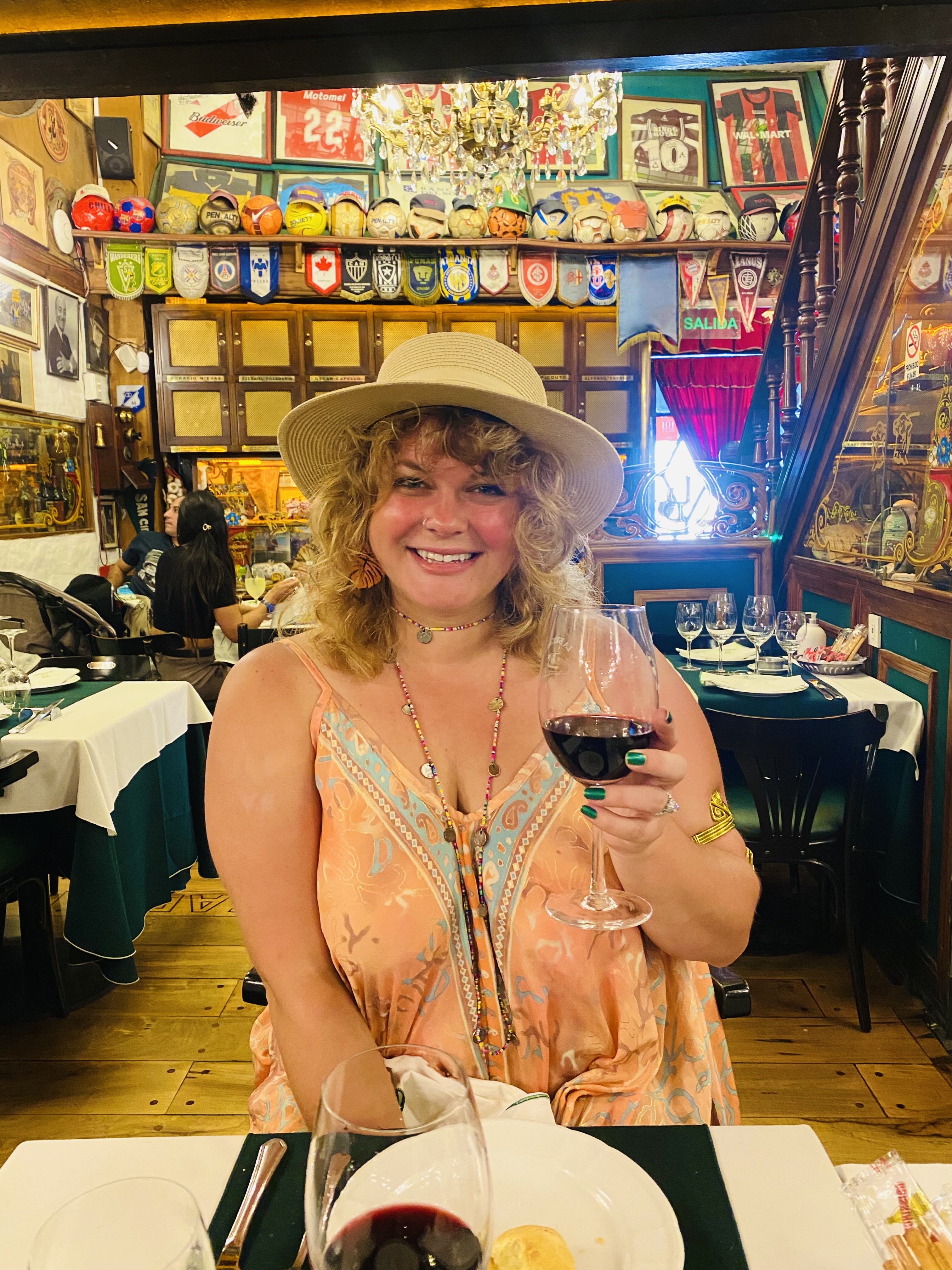
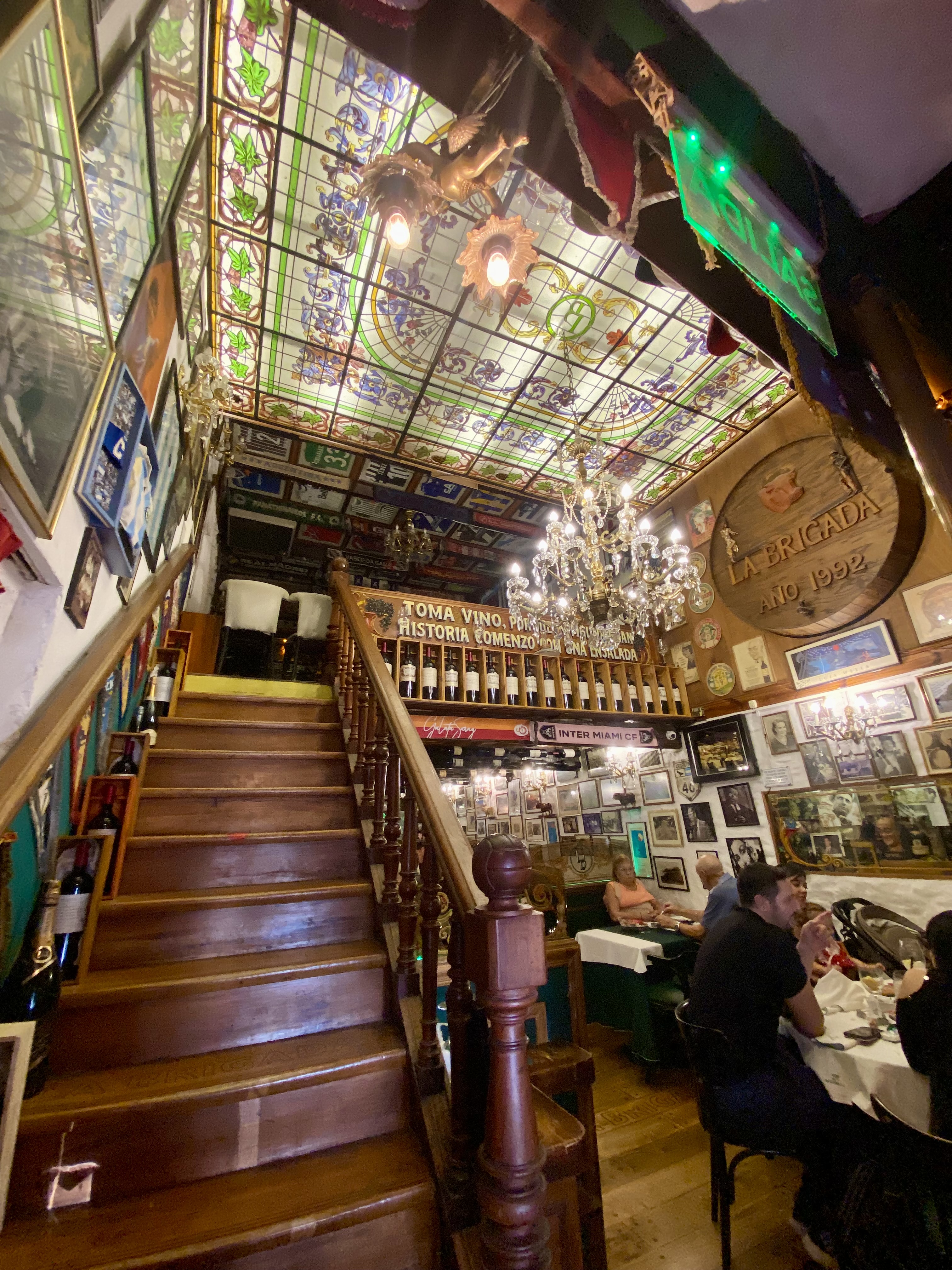
La Brigada. I know I keep saying that the service in each restaurant was great, so friendly, but once again, the service in La Brigada was pitch-perfect. La Brigada is an old-school steakhouse that combines San Telmo’s antique elegance with Buenos Aires’ sporty, fun-loving nature. Soccer balls are lined up against the crown molding, sitting side-by-side with antique chandeliers. An old-school late-1800s mahogany bar with a beautiful gold-accented mirror sits opposite framed futbol jerseys. Instead of ordering a parrilla mixta, we tried to order as many small plates as we could on our last day in Argentina, and boy, was that a mistake. The portion sizes are generous, and every plate is “oh, just ONE more bite”-level delicious. I’m ashamed and embarrassed at how I muscled through my full stomach to gobble down the last bite of flan with a hearty plop of dulce de leche. No regerts.


HOW TO PACK
Even in the autumn (mid-March), Buenos Aires is very sunny and temperate. I was walking around in spaghetti straps and flowy dresses, and I felt perfectly comfortable. I packed a hat that was style more than substance. Make sure to pack sunscreen, especially when exploring the non-Palermo barrios that don’t have shady, tree-lined boulevards. And DEFINITELY don’t forget the bug spray: these are rainforest mosquitos, and they are murder.
For a week-long trip, I managed to shove everything I needed into one carry-on. I packed flowy, thin little slips of dresses for walking around, two sporty leggings-and-top sets for hiking in Iguazu Falls, my Tevas, some comfy but cute sandals for exploring the city, and a swimsuit.
Alex packed a sports coat for Don Julio, but he was one of the only men wearing one. A nice button-up and slacks will do. Heck, I saw two millennial engineer-tech-bro types that came in shorts and a t-shirt. But don’t be them. I think dressing nicely shows respect for the venue, and I think the staff appreciates it.
Make sure your Google Translate app is downloaded! Not everyone in Buenos Aires speaks English, but if you know even a little conversational Spanish, everyone is very bright and welcoming, eager to start a conversation and give you a local’s guide to enjoying the city.
 Ramblin' Reba
Leave a comment